
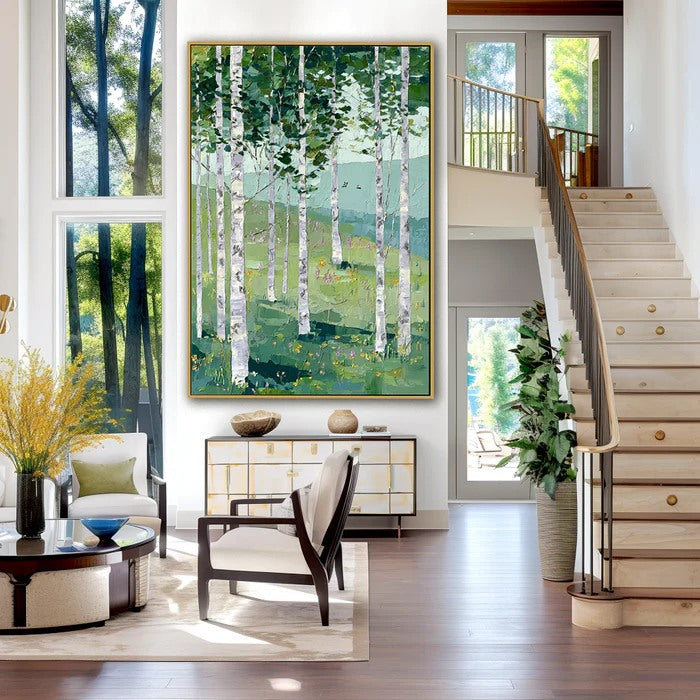
In 2026, 3D textured wall art has become one of the most defining statements in interior design. Homeowners, designers, and collectors are moving beyond flat canvas prints, embracing sculptural wall pieces that transform with light and shadow. Unlike traditional 2D art, these multilayered surfaces evoke depth and interaction, changing in appearance as daylight moves across a room. The tactile allure of materials like plaster, resin, and ceramic invites viewers to touch, offering a new dimension of sensory engagement in minimalist and contemporary homes.
The Rise of Sculptural Canvas Art
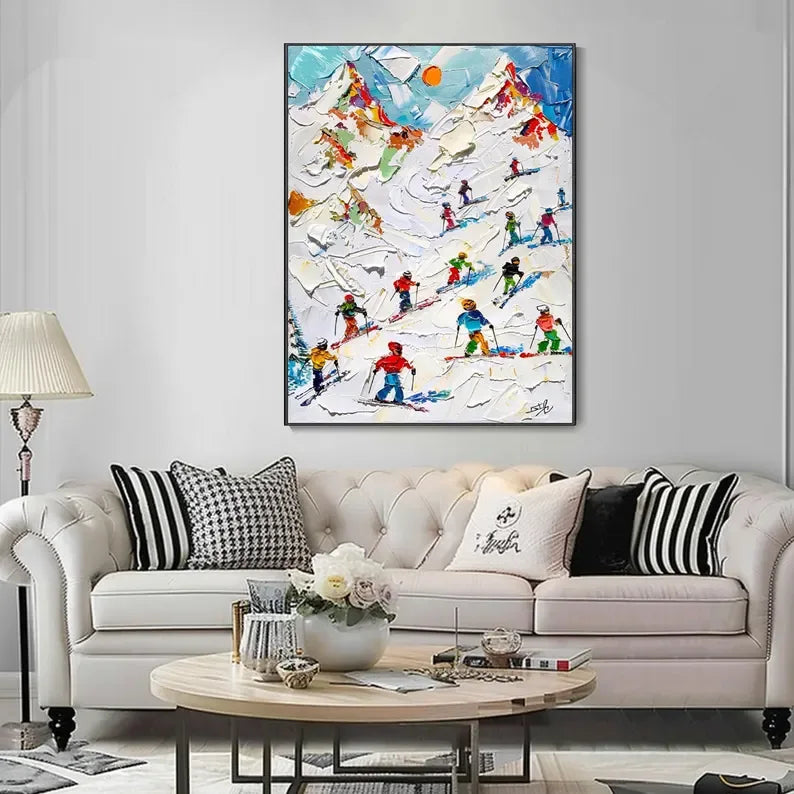
This year, sculptural canvas art is emerging as the true centerpiece of luxury spaces. Its textured reliefs—often inspired by natural forms like waves, dunes, and mountain peaks—create dimensionality that interacts beautifully with ambient lighting. Designers call this the “Artextured aesthetic,” where art no longer simply hangs but breathes with its environment. As sunlight shifts, the ridges and valleys of 3D peaks cast evolving shadows, creating a moving artwork that changes mood throughout the day.
According to leading interior trend reports for 2026, over 60% of new home builds and renovations include tactile art installations as part of the final aesthetic package. This signals a major shift away from purely visual art toward pieces that stimulate multiple senses and reflect the growing emphasis on mindfulness and natural material design.
Material Innovation and Durability
Beyond aesthetic appeal, 3D textured wall art offers durability that traditional oil paintings cannot match. Artists are experimenting with plaster, resin, and acrylic compounds that maintain their vibrancy and form even in humid or high-traffic environments. Minimalist wave relief art, often crafted from sculpted resin or lime plaster, maintains its crisp contours for decades with minimal maintenance. This durability makes it ideal for hotels, luxury residences, and offices prioritizing longevity and low upkeep.
By contrast, oil paintings on stretched canvas remain sensitive to moisture, light exposure, and time. The modern buyer, aware of environmental and sustainability factors, is opting for materials that are both eco-conscious and enduring. Many sculptural wall pieces now incorporate recycled wood frames or biodegradable resins, aligning with the sustainability standards driving today’s design economy.
Statement Art as Functional Architecture
The transformation from decorative art to spatial experience marks a defining moment in home fashion. 3D mountain peak decor or flowing plaster waves can serve as architectural features, blending boundary lines between art and structure. These installations introduce acoustic benefits and can even diffuse lighting for a more serene ambiance. Textured surfaces contribute to sound absorption, making them ideal for open-plan rooms, galleries, and minimalist living spaces that often struggle with echo and noise reflection.
At Artextured, we believe art should do more than decorate—it should transform spaces and inspire experiences. Founded in Xiamen, our collective of artists fuses traditional craftsmanship with modern innovation. Our pioneering acoustic wall art merges form, texture, and function, creating sound-dampening artworks that elevate aesthetics while deepening sensory harmony within interiors.
Comparing 3D Textured Art vs. Traditional Paintings
This comparison reveals why tactile art holds increasing appeal. 3D sculptural canvas art’s dimensionality naturally enhances lighting and ambiance, offering a moving narrative that flat images rarely achieve. Its shadows expand and contract depending on natural or artificial illumination, transforming static décor into a living experience.
Real Home Transformations and Collector Adoption
Interior designers now view these installations as essential elements in high-end residential and boutique commercial spaces. In Hong Kong, minimalist relief wall pieces are replacing oversized murals, offering visual calm while preserving architectural balance. In Milan and Los Angeles, homeowners integrate sculptural panels in entryways and living rooms to evoke movement and serenity. Collectors appreciate that each handmade piece is unique, featuring organic imperfections that enhance authenticity and modern luxury.
The ROI for property owners can be significant. According to recent design consultancy reports, homes featuring customized 3D wall art experience up to a 15% higher perceived resale value. Buyers increasingly see textured wall installations not as décor but as built-in art assets that enhance atmosphere and elevate status.
Future Forecast: The Tactile Revolution Continues
As global design continues to embrace biophilic and sensory-rich environments, tactile wall art will remain a defining feature of the modern lifestyle. The next wave is expected to merge lighting technology with responsive materials—imagine plaster surfaces embedded with subtle luminescent pigments that react to time or temperature shifts. Artists are also experimenting with modular 3D panels that can be rearranged, giving homeowners creative control over composition and rhythm.
By 2027, textured art is anticipated to represent nearly half of new decorative wall installations worldwide. Whether inspired by minimalist wave reliefs, sculptural abstractions, or geometric depth patterns, these works signal a broader movement: a return to touch, texture, and human emotion in design. 3D textured wall art has evolved beyond a trend—it’s redefining how we experience our spaces and connect with the environments we inhabit.
FAQs
What is 3D textured wall art and why is it popular in 2026?
3D textured wall art adds depth and tactile interest to walls, creating a dynamic visual impact. In 2026, it’s popular for modern home interiors because it combines artistic expression with functional design, including acoustic benefits, making spaces feel more sophisticated, immersive, and contemporary.
What are the latest 3D wall art trends for modern homes?
Current 3D textured wall art trends include geometric panels, abstract reliefs, metallic finishes, eco-friendly materials, and acoustic-integrated designs. Homeowners embrace these trends to add visual depth, stylish focal points, and enhanced sound control, transforming ordinary walls into statement features that align with 2026 modern interior aesthetics.
Which materials are best for 3D textured wall art in 2026?
The best materials for 3D textured wall art include MDF, resin, plaster, recycled composites, and acoustic panels. These allow for durable, sculptural designs while supporting intricate textures and modern finishes, giving interiors a high-end, professional look while also serving functional purposes like noise reduction.
How can 3D wall art improve home acoustics?
Some 3D textured wall panels incorporate sound-absorbing materials, reducing echoes and ambient noise. Brands like Artextured merge artistic texture with acoustic technology, making them perfect for living rooms, home offices, and media spaces where style and sound quality matter equally.
Where should 3D textured wall art be installed for maximum effect?
3D textured wall art works best on feature walls, behind sofas or beds, staircases, entryways, and media rooms. Placing high-relief panels in these locations draws attention, enhances visual depth, and complements modern furniture, lighting, and architectural lines.
What styles dominate 3D textured wall art in modern interiors?
Dominant styles include abstract reliefs, geometric patterns, nature-inspired textures, metallic finishes, and minimalist sculptural panels. These trendy 3D wall designs emphasize dimension, create striking focal points, and harmonize with sleek modern furniture and contemporary lighting schemes.
How do you maintain 3D textured wall art at home?
To maintain 3D wall art, gently dust with soft brushes or microfiber cloths, avoid harsh cleaners, and periodically check for paint touch-ups or surface protection. Proper care preserves texture, color vibrancy, and longevity, ensuring your modern interior stays stylish and visually dynamic.
What makes 3D textured wall art a worthwhile investment?
Investing in 3D textured wall art adds visual depth, modern appeal, and acoustic benefits to interiors. Brands like Artextured create high-quality sculptural panels that elevate aesthetic value, transform spaces into immersive environments, and future-proof home interiors with innovative, statement-making design.