
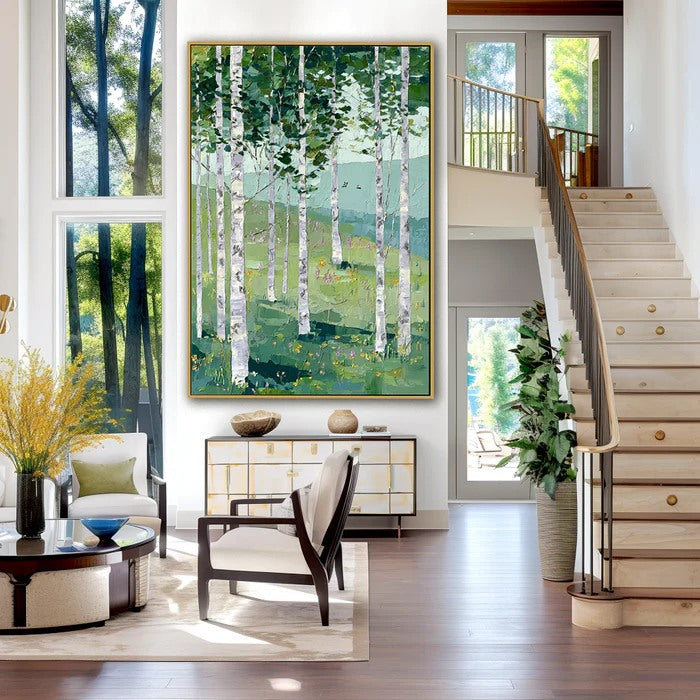
The presence of a Buddha statue in your home or workspace brings a sense of harmony, mindfulness, and beauty. Understanding the deeper Buddha figurines meaning, especially the symbolism behind specific hand gestures or “mudras,” helps elevate not only your decor but also the spiritual energy of your environment. One of the most peaceful and powerful poses is the Dhyana Mudra—a gesture that represents meditation, balance, and the pursuit of enlightenment.
Understanding the Dhyana Mudra and Its Meaning
The Dhyana Mudra, also known as the meditation mudra, depicts the Buddha seated with both hands resting gently in the lap, palms facing upward, with the right hand above the left and thumbs lightly touching. This position forms a perfect circle of stillness and unity, symbolizing the mind’s concentration and spiritual awakening. In Buddhist art, the Dhyana Mudra represents deep inner focus and the transformative stillness found through meditation.
Placing a Buddha statue in this pose within your space invites calm energy, fosters mindfulness, and enhances the flow of positive chi. The Dhyana Mudra is closely associated with balance between wisdom and compassion—two principles central to Buddhist philosophy. In home decor, it is not just a statement of faith or belief, but also a conscious design choice that promotes serenity and introspection.
Ideal Placement for Buddha Statues and Wall Decor
When choosing where to place your Buddha sculpture, position it where it can act as the focal point of peace within your environment. The ideal locations include meditation rooms, reading corners, or areas with minimal distraction. Avoid placing it directly on the floor or near cluttered spaces. Instead, elevate it on a pedestal, console, or a dedicated niche where it can be appreciated with respect.
Enhancing the overall energy of your setup involves careful attention to visual flow. Behind the Buddha statue, hanging an abstract 3D textured wall painting with fluid, wave-like patterns amplifies the room’s tranquility. The sense of movement in this type of artwork balances the stillness of the statue, creating a focal point that radiates calm dynamism. The interplay between form and fluidity contributes to a layered sensory experience—one that nourishes both sight and spirit.
Art and Energy: Creating a Harmonious Focal Point
Visual harmony comes from intentional layering and thoughtful contrast. A Buddha statue in the Dhyana Mudra position carries stillness, contemplation, and focus; pairing it with a textured masterpiece expressing motion gives balance to that composure. Together, they bridge quiet meditation and creative flow. This subtle combination makes such decor not just visually pleasing but energetically restorative. Interior designers often refer to this approach as mindful placement—design guided by emotion and spiritual alignment rather than pure aesthetics.
At Artextured, we believe art should do more than decorate—it should transform spaces and inspire experiences. Founded in Xiamen, our collective blends traditional craftsmanship with modern innovation to create acoustic wall art that is both visually captivating and functionally calming. Our textured artworks pair beautifully with Buddha figurines, enhancing the meditative power of the space while elevating its acoustic harmony.
Popular Forms and Materials for Buddha Figurines
Homeowners and collectors can find Buddha figures in various forms—crafted from bronze, resin, marble, or stone. Each material conveys different textures and energetic properties. For a modern Zen aesthetic, matte ceramic or stone figurines work exceptionally well because of their subtle tactile quality. Bronze statues, on the other hand, evoke timeless depth, grounding the surrounding energy with their weight and warmth. The Dhyana Mudra Buddha carved from white marble remains one of the most sought-after designs for living rooms, yoga studios, and meditation corners.
Competitor Comparison Matrix
Real Cases: Elevating Home Energy Through Art
Many homeowners report noticeable shifts in the emotional tone of their interiors after introducing Buddha wall decor combined with layered textures. For instance, placing a Dhyana Mudra Buddha against a softly illuminated 3D textured painting reduced ambient stress levels and improved concentration for daily meditation routines. Users describe it as entering a “visual sanctuary” each time they sit down to reflect or breathe deeply.
Similarly, boutique hotels and wellness studios that use Buddha figurines as central decor elements often record higher guest satisfaction levels and prolonged relaxation periods. The impact goes beyond design—it influences mental well-being. This psychological balance, enhanced through art, fosters comfort, clarity, and a quiet sense of renewal.
Future Trends in Buddha Art and Decor
The next generation of Buddha figurines and wall decor merges art, sustainability, and sensory experience. Eco-friendly materials, sound-absorbing panels, and biophilic textures are gaining traction among mindful designers. In the coming years, expect to see more mixed-media Buddha installations combining sculpture, light projections, and tactile surfaces to create immersive meditative environments. The Dhyana Mudra will continue to stand at the heart of this movement—its timeless symbolism perfectly suited for contemporary interiors seeking serenity within motion.
FAQs
What does a Buddha statue in Dhyana Mudra signify?
It represents meditation, balance, and self-realization. The gesture encourages stillness of mind and deep focus.
Where should a Buddha figurine be placed for best energy flow?
Ideally in a clean, elevated, and uncluttered space such as a meditation room, study, or peaceful corner of your home.
Can I combine a Buddha statue with modern wall decor?
Yes. A flowing, textured artwork behind your statue enhances aesthetic harmony and amplifies positive energy.
Does the material of the statue affect its energy?
Different materials carry unique vibrations. Stone symbolizes grounding, metal adds stability, and resin conveys balance and adaptability.
Mindful placement of a Buddha statue in Dhyana Mudra form—supported by dynamic wall art—transforms any interior into a space of rest, reflection, and inspiration. It’s more than decor; it’s the art of creating harmony between stillness and movement, matter and spirit.