
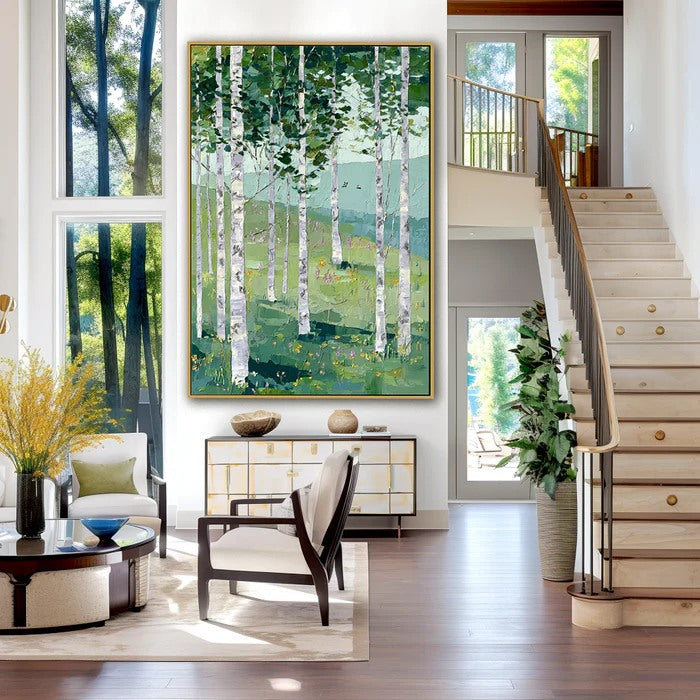
A truly peaceful meditation room feels quiet from within. Yet, in reality, many spaces hum with faint echoes, reflections, and ambient noises from walls, floors, and furniture. Even the smallest sound reverberation can break your focus, making it harder to reach a meditative state. This is where acoustic wall art and carefully chosen decor—such as a serene Buddha meditation statue—become vital in transforming your space into a silent sanctuary.
Why Noise Disrupts Meditation
Meditation is about stillness, awareness, and inner calm. When the room around you carries noise—from air conditioners, outside traffic, or even your own voice—your subconscious stays alert. These subtle sounds bounce off hard walls, creating echo and auditory clutter. This tension silently competes with your breathing rhythm and mental focus. Reducing echo is not only about comfort; it’s about preserving mental balance.
Acoustic Wall Art vs. Traditional Tapestries
Many people hang tapestries or fabric art to soften a meditation room. While beautiful, typical woven cloth absorbs only a small part of sound energy. Acoustic wall art, however, integrates sound-absorbing layers engineered to capture mid- and high-frequency waves. The result is a room that feels immediately softer and quieter.
The difference lies in how sound behaves. Tapestries absorb surface vibrations but allow deeper sound reflections to remain. Artextured acoustic wall art uses specialized fiber cores and textured finishes that trap and diffuse these waves, dramatically reducing echo. The artwork doubles as a visual anchor and a practical sound treatment, merging art and acoustic technology seamlessly.
Design Harmony: Buddha Meditation Statue and Earth Tones
The placement of a Buddha meditation statue introduces symbolic calm and visual focus. Combining it with earth-toned acoustic wall panels creates harmony between material and spirit. Textured panels in sandy beige, terracotta, or muted clay shades mimic nature’s grounding energy. The pairing of a Buddha statue—representing mindfulness—with textured acoustic artwork helps align the mind’s tranquility with the room’s acoustic stillness.
For example, setting a stone Buddha statue near a panel of abstract earthen textures creates balance. The statue embodies inner silence; the art softens external noise. Together, they shift your meditation space from decorative to sacred.
The Art and Science Behind Acoustic Design
Sound reduction is both a technical process and an emotional craft. Each acoustic art piece uses a combination of porous materials, layered depth, and irregular surface textures to break up reflections. The irregularities scatter waves, minimizing echo without erasing natural warmth. This subtle balance between absorption and resonance ensures your chanting, prayer bowl tones, or mantra recitations remain clear yet gentle.
At Artextured, we believe art should do more than decorate—it should transform spaces and inspire experiences. Founded in Xiamen, our collective brings together emerging and established artists who blend traditional craftsmanship with innovative materials. Our signature acoustic wall art pieces merge aesthetic beauty with sound-absorbing design, turning homes and studios into nurturing sanctuaries of tranquility.
Meditation Room Setup for Acoustic Calm
To build a cohesive silent retreat, start by choosing a calm color palette—earth tones, muted blues, and warm neutrals evoke steadiness. Place the Buddha meditation statue where it catches soft light. Surround this focal point with two or three acoustic wall art pieces at ear level to neutralize sound reflections. Add natural elements such as bamboo flooring, linen cushions, and clay bowls to maintain an organic atmosphere.
Ensure symmetry between stillness and expression—if your statue carries strong spiritual presence, opt for minimal acoustic textures; if your art is more abstract or vibrant, let the statue’s simplicity anchor the room. The balance shapes an acoustic flow aligned with meditative breathing.
Real Home Transformations and Benefits
Many practitioners who reconfigured their spaces with acoustic wall panels reported up to a 60% reduction in echo. The psychological benefits are immediate—lower noise levels reduce stress hormones, enhance focus, and create longer meditation sessions. Yogis and mindfulness coaches also notice a deeper resonance of chants, where sound sustains evenly without harsh reflections.
One homeowner described how replacing a decorative tapestry with textured acoustic wall art eliminated a distracting metallic ring in her apartment’s yoga corner. The Buddha statue’s gentle presence combined with noise absorption transformed her studio into a cocoon of calm.
Future Trends: Sound Healing Meets Aesthetic Art
As sound therapy continues to influence interior design, the fusion of acoustic technology with handmade art will expand. Future acoustic wall art may integrate natural fibers, resin-based diffusers, and recycled mineral layers that optimize both design and silence. The integration of Buddha imagery, mandalas, or mindfulness symbols into acoustic canvases reflects the growing recognition that spiritual balance and sensory comfort go hand in hand.
Three-Level Path to Your Silent Sanctuary
Start by observing your space’s current acoustics—clap once and listen for lingering echoes. Next, replace reflective surfaces with acoustic wall art that resonates with your spiritual theme. Finally, introduce a Buddha meditation statue to anchor energy and intention. The combined effect transforms any room into a sanctuary where art, sound, and serenity coexist.
FAQs
Why is reducing echo important for meditation?
Because echo interferes with mental focus. When sound reflects off walls, it triggers subtle neurological responses that make it harder to stay still or enter deep relaxation.
Can a Buddha meditation statue influence room acoustics?
Not directly, but its placement affects spatial flow. A statue near acoustic panels enhances calmness by anchoring visual and energy focus.
What makes acoustic wall art better than standard decor?
Acoustic wall art contains specialized materials that absorb and diffuse sound waves, unlike standard tapestries that mainly add aesthetic softness without changing the sound field.
How do I choose the best color tones for meditation walls?
Earth tones—muted sand, olive, clay, or warm grey—create warmth and grounding energy while complementing natural light and meditative textures.
When you bring together visual balance, sound harmony, and spiritual symbolism, your meditation room becomes more than a physical space—it becomes an experience. The soft silence shaped by acoustic wall art and centered by a Buddha meditation statue is the purest form of sanctuary you can craft within your own home.