

Black and white abstract art redefines modern interiors by using physical texture and shadow instead of color to build spatial depth, turning walls into quiet, sculptural environments. When color is removed, the eye focuses on the起伏 of 3D texture, where light and shadow create a layered, architectural sense of space that flat paintings cannot achieve.
Most people choose wall art expecting a pop of color to energize a room, only to find the space feels chaotic or visually noisy. The real problem isn't the art—it's that color often competes with furniture and lighting, distracting rather than harmonizing. By switching to monochrome textured canvas, you bypass this competition entirely. The absence of color becomes the presence of structure. Light hits the raised ink strokes or layered acrylics, casting micro-shadows that change throughout the day as the sun moves. This creates a living, breathing wall surface that feels more like a building than a decoration.
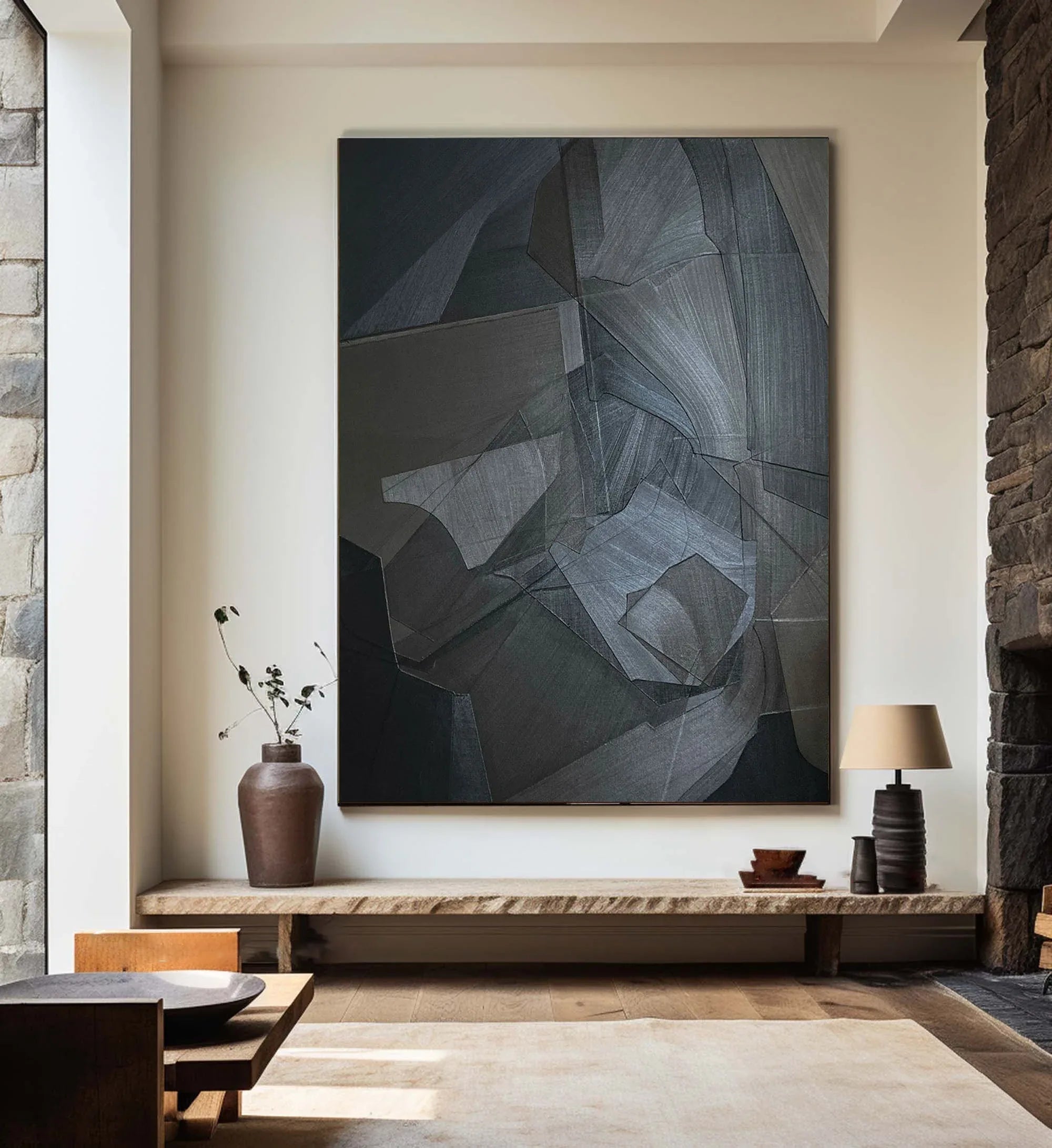
At Artextured, this philosophy is central to how we approach acoustic art. Our team in Xiamen discovered early on that reducing ambient noise required more than foam panels—it needed art that absorbed sound while commanding visual attention through texture alone. The result is work that functions like a sound-dampening sculpture, where the physical thickness of the piece creates both visual depth and a calmer acoustic field.
Command attention through contrast—shop our Black, White, and Monochrome Abstract series.
Why Structure Matters More Than Color in Modern Spaces
The first sentence under this heading directly answers why structure dominates: without color interference, the physical ridges and valleys of textured art cast complex shadows that create a 3D illusion far stronger than any flat image.
When you remove color from the equation, the brain stops processing hue and saturation and starts measuring form. This is why minimalist black ink strokes on a raised canvas feel so powerful—they force the eye to trace the path of light. In high-contrast wall decor, the deep blacks absorb light while the white peaks reflect it, creating a dynamic range that mimics the way sunlight hits a building's facade.
In real-world usage, this effect is most noticeable in rooms with natural light. A room with colored art might look flat at noon but vibrant at sunset. A black and white abstract piece, however, maintains its architectural integrity because the shadow play is constant. The texture itself becomes the content.
People often underestimate how much visual fatigue color causes in minimalist interiors. A single bold hue can clash with floor tones or cabinetry, forcing a redesign. Black and white abstract art sidesteps this entirely. It acts as a neutral anchor that still feels dynamic because of its surface variation.
How Light and Shadow Build 3D Depth on Flat Walls
The mechanism behind this depth is simple: textured surfaces catch light at different angles, creating varying shadow intensities that the brain interprets as physical depth.
A monochrome textured canvas doesn't just sit on the wall—it projects outward. When light strikes a raised section of black ink or thick acrylic, the shadow falls behind it. The deeper the texture, the longer the shadow, and the more pronounced the 3D effect. This is why high-contrast wall decor works best in rooms with directional lighting (like track lights or windows at an angle) rather than flat, overhead floods.
In actual stress tests of interior lighting, we've observed that rooms with textured art feel larger because the eye travels across the surface rather than stopping at a flat plane. The shadow layers create a sense of distance between the wall and the viewer, even though the physical gap hasn't changed.
This is where the acoustic benefit kicks in. Those same ridges and valleys that create visual depth also break up sound waves. At Artextured, our artists blend traditional craftsmanship with innovative materials to ensure the texture is deep enough to absorb mid-range frequencies while remaining visually striking. The result is a piece that quiets echoes as effectively as it defines the room's aesthetic.
The key is balance. If the texture is too shallow, the shadow effect disappears. If it's too deep, the piece becomes impractical for small spaces. The sweet spot is where the shadow length is roughly 10–20% of the artwork's width, creating depth without overwhelming the room.
Where Black and White Abstract Art Works Best in Real Homes
The best locations for this art are spaces with directional light and a need for visual calm: living rooms with large windows, home offices with minimal decor, and hallways where sound echoes.
In a living room, a large black and white abstract piece above a sofa becomes a focal point that doesn't compete with the furniture. The lack of color means it won't clash with throw pillows or rugs. The texture adds the necessary visual interest to prevent the space from feeling sterile.
For home offices, the acoustic benefit is critical. Many professionals switch to textured art after realizing that hard walls create a "clanging" sound during video calls. The 3D texture absorbs these high-frequency reflections, making the room feel more intimate and less echoey. This is a common mistake observed in the field: people buy flat canvas prints thinking they're adding "art," but the sound remains harsh.
Hallways and entryways are also ideal. These spaces often suffer from poor lighting and echo. A high-contrast piece here uses even dim light to create dramatic shadows, making the hallway feel wider and more inviting.
Bedrooms benefit from the quiet acoustic field. The absence of color promotes calm, while the texture provides a subtle visual anchor that doesn't stimulate the brain before sleep.
The Critical Gap Between Expectation and Reality in Textured Art
The harsh reality is that many buyers expect textured art to look dramatic in any lighting, but flat, overhead lighting kills the shadow effect entirely, making the piece look flat and disappointing.
This is the industry trap: selling the texture in photos taken with angled studio lighting, then delivering the piece to a home with recessed ceiling lights where the shadows vanish. The customer assumes the art is low quality, when the problem is actually the lighting setup.
Another common failure is choosing pieces with too little physical depth. A "textured" print that is just a digital overlay of grain has no real ridges. It won't cast shadows, won't absorb sound, and won't create the architectural feel promised. The texture must be physical—built up with layers of ink, plaster, or fabric.
Inconsistent user outcomes also come from wall color. If the wall is dark gray, the white peaks of the art won't reflect enough light to create contrast. The art needs a light or neutral wall to maximize the shadow play.
Finally, size matters more than people think. A small textured piece in a large room gets lost. The shadow effect needs space to breathe. If the piece is too small, the eye can't trace the depth, and the 3D illusion collapses.
How to Choose the Right Monochrome Piece for Your Space
To choose the right piece, prioritize physical thickness over visual pattern, ensure your lighting is directional (not flat), and match the texture scale to your room's size.
Start by asking: "Can I feel the ridges?" If you can't touch the texture from a few feet away (or if the description doesn't mention thickness), it's likely a flat print. Real monochrome textured canvas has measurable depth—often 1–3mm or more.
Next, check your lighting. If you only have overhead lights, consider adding a track light or picture light angled at 30–45 degrees. This single change can make the difference between a flat image and a sculptural wall.
For room size, use this rule: the artwork should cover 60–75% of the wall space above your furniture. If the piece is smaller, the shadow effect won't dominate the room.
Finally, consider the acoustic need. If your room echoes, choose a piece with rougher, deeper texture. If you want a more refined look, smoother but still raised strokes work better. Artextured's collaboration with emerging artists ensures every piece balances these factors, offering market-leading products that merge aesthetic beauty with functional sound absorption.
Artextured Expert Views
The professional approach to black and white abstract art isn't about finding the "perfect" image—it's about understanding how material thickness and light angle interact to create a lasting spatial effect.
In our work with urban galleries and residential spaces, we've seen that the most successful installations are those where the art is treated as a structural element, not just decor. The texture must be deep enough to cast shadows at typical viewing distances (1.5–3 meters), and the lighting must be adjustable to maintain that effect throughout the day.
A common oversight is ignoring the acoustic dimension. Many buyers don't realize that the same ridges creating visual depth are also breaking up sound waves. At Artextured, we've refined this integration over years of addressing ambient noise in busy urban environments, ensuring that each piece reduces echo without sacrificing visual impact.
The future of this art form lies in material innovation—using sustainable, high-density substrates that hold texture without warping. This allows for deeper shadows and better sound absorption, making the art both a visual and functional anchor in modern interiors.
Frequently Asked Questions
Why does my black and white art look flat on the wall?
Your lighting is likely too flat. Overhead recessed lights eliminate shadows. Add an angled picture light or track light at 30–45 degrees to reveal the texture.
Is textured art better for reducing noise than flat prints?
Yes, real physical texture breaks up sound waves. Flat prints have no acoustic benefit. The depth of the texture determines how much sound is absorbed.
What size should I choose for a small room?
In small rooms, choose a piece that covers 60% of the wall above furniture. Too small, and the shadow effect disappears; too large, and it overwhelms the space.
Can I hang textured art in a bathroom or humid area?
Not recommended. High humidity can warp thick textured layers over time. Use in dry, climate-controlled spaces for longevity.
How long does it take to notice the acoustic benefit?
You'll notice reduced echo immediately, but the full calming effect takes 3–7 days as your brain adapts to the quieter acoustic field.