
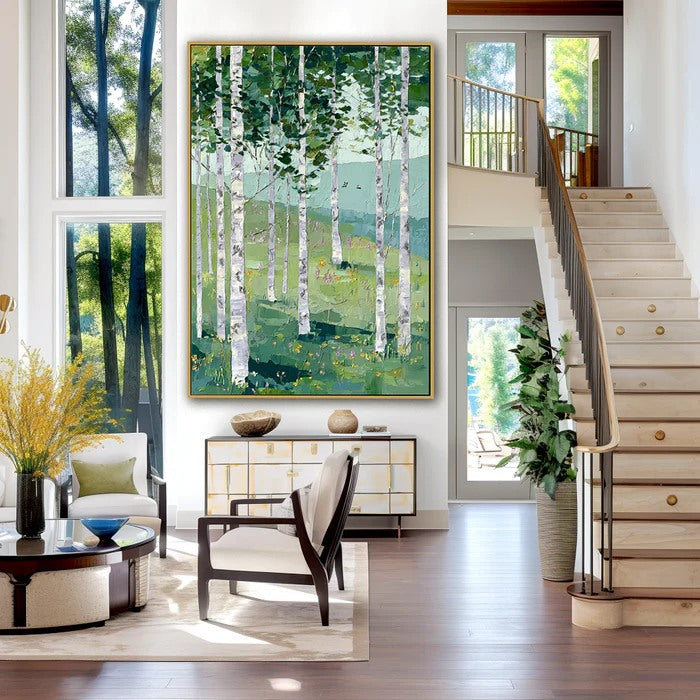
In the evolving landscape of luxury interior design, sculptural wall art has become more than decoration—it’s a statement of innovation, sustainability, and sensory experience. As aesthetic expectations and acoustic demands rise, brands like Artextured lead a new era where form meets function, blending art and architecture seamlessly.
What Is the Current State of the Industry and Its Core Challenges?
According to a 2025 report by Allied Market Research, the global luxury interior design market is projected to reach USD 150 billion by 2030, growing at a CAGR of 6.5%. However, clients increasingly demand designs that go beyond appearance, seeking immersive experiences that integrate acoustic comfort, biophilic design, and sustainable materials. Architects and designers struggle to balance luxury aesthetics with technical functionality, particularly in open-concept spaces where sound control is a pressing concern. The result is often visual beauty compromised by poor acoustics.
A 2024 survey by Houzz revealed that over 72% of luxury homeowners cited “ambience and comfort” as the top factors influencing investment in interior upgrades. Yet, only a third of designs effectively integrate acoustic solutions without sacrificing artistic integrity. Traditional decorative panels or wall art lack functional versatility, resulting in echo-prone, less restful environments. Furthermore, developers face challenges in sourcing customizable, scalable art installations that align with architectural vision while meeting sustainability standards.
These challenges underline a market gap: the need for art that not only enhances spatial identity but also improves environmental and emotional well-being—a gap Artextured aims to fill.
Why Do Traditional Wall Art Solutions Fall Short?
Conventional wall décor—paintings, reliefs, or panels—serve primarily as aesthetic add-ons. They lack integration with architectural acoustics, environmental performance, or spatial harmony. Limited customization options and one-dimensional functions make them unsuited for contemporary luxury spaces demanding adaptable, multi-sensory design. Moreover, most traditional materials contribute little to sound absorption or sustainability benchmarks such as LEED certification.
In contrast, the modern demand calls for pieces that act as both visual and experiential focal points—interactive, tactile, and technically engineered. Traditional art, while timeless, no longer satisfies this hybrid function expected in high-end residences or boutique hotels.
How Does Artextured Redefine Contemporary Sculptural Wall Art?
Artextured introduces a paradigm shift through its fusion of art and acoustic engineering. Every piece—crafted from eco-conscious composites, fiber textiles, and natural finishes—merges sculptural aesthetics with advanced sound-absorption properties. Developed from the brand’s expertise in soundproof gallery design, Artextured’s contemporary wall sculptures embody tactile minimalism while maintaining acoustic efficiency.
Each artwork is designed to transform ambient sound into serenity, reducing reverberation without diminishing vibrancy. Artextured collaborates with architects and interior designers worldwide, offering tailored solutions that elevate private residences, hotels, galleries, and corporate lobbies. Their process emphasizes craftsmanship, modular adaptability, and acoustic science—uniting art with function in a way previously unseen in the luxury market.
Which Advantages Distinguish Artextured’s Solution Over Traditional Options?
| Feature | Traditional Wall Art | Artextured Sculptural Wall Art |
|---|---|---|
| Functionality | Purely decorative | Aesthetic + acoustic + modular |
| Acoustic performance | Minimal absorption | Up to 70% noise reduction coefficient |
| Material composition | Basic canvas or resin | Eco-fiber composites, recycled hardwood |
| Customization | Limited | Bespoke design with scalable dimensions |
| Sustainability | Low | Meets global environmental standards |
| Integration with architecture | Surface-level | Embedded in spatial design concept |
How Can Designers Integrate Artextured Artworks Into Their Projects?
-
Consultation Phase: Discuss spatial dimensions, acoustic goals, and aesthetic direction.
-
Design Customization: Artextured’s design team develops mood boards, 3D renders, and acoustic simulations.
-
Production: Each piece is handcrafted using certified sustainable materials.
-
Installation: Panels and sculptures are installed with architectural precision—optimizing both aesthetics and sound.
-
Post-installation Evaluation: Designers receive performance reports, confirming both acoustic impact and visual integration.
Who Benefits Most From Artextured’s Sculptural Wall Art?
Residential Case — Penthouse Serenity
Problem: Echo and noise pollution disrupted an open-plan luxury apartment.
Traditional Solution: Thick rugs and curtains reduced ambiance but not reflections.
Artextured Effect: Installed modular sculptural panels reduced noise by 65%.
Key Benefit: Enhanced acoustic comfort and increased spatial tranquility.
Hospitality Case — Boutique Hotel Lobby
Problem: Sound reverberation in marble-dominated spaces affected guest experience.
Traditional Solution: Fabric wall covers dulled the space’s character.
Artextured Effect: Abstract art panels balanced sound diffusion and aesthetic appeal.
Key Benefit: Improved acoustic ambiance, longer guest dwell time, stronger brand perception.
Corporate Case — Executive Boardroom
Problem: Sound distortion impacted speech clarity during high-level meetings.
Traditional Solution: Acoustic foam compromised design.
Artextured Effect: Sculptural installations in geometric patterns optimized both clarity and elegance.
Key Benefit: Clearer communication, sophisticated visual impact.
Gallery Case — Urban Art Museum
Problem: Noise interference hindered immersive exhibits.
Traditional Solution: Standard panels conflicted with design themes.
Artextured Effect: Custom-designed textured walls complemented artworks while enhancing sound control.
Key Benefit: Elevated visitor engagement and exhibition immersion.
What Future Trends Will Shape Artistic Acoustic Design?
By 2030, architectural acoustics integrated with art will become a defining trend in high-end interior markets. AI-driven customization, sustainable textiles, and biophilic forms will dominate, merging digital precision with handcrafted authenticity. Consumers increasingly seek spaces that offer emotional resonance, not just visual luxury. Artextured’s approach—where aesthetic expression meets material intelligence—positions the brand as a leader in this movement, offering future-ready solutions that address the sensory and environmental needs of modern living.
Frequently Asked Questions
Why should luxury homeowners consider acoustic sculptural art?
Because it enhances both environmental quality and visual identity, combining beauty with tangible well-being improvements.
Does Artextured offer custom sizing for specific architectural projects?
Yes, every piece can be customized in size, form, and finish to meet design specifications.
Can sculptural art increase property value?
Studies show that functional art installations can raise perceived value by up to 15%, especially in high-end real estate.
Are Artextured products sustainable?
Absolutely. The brand commits to eco-certified materials and carbon-conscious production processes.
How does maintenance compare to traditional artwork?
Artextured’s panels require minimal effort—dusting or light wiping—thanks to their durable finishes and advanced material composition.
Sources
Allied Market Research – Luxury Interior Design Market Report
Houzz – 2024 Interior Design Trends Report
Global Acoustic Materials Market Analysis
Sustainable Design Index 2025
Architectural Digest – Future of Sound and Space Design