
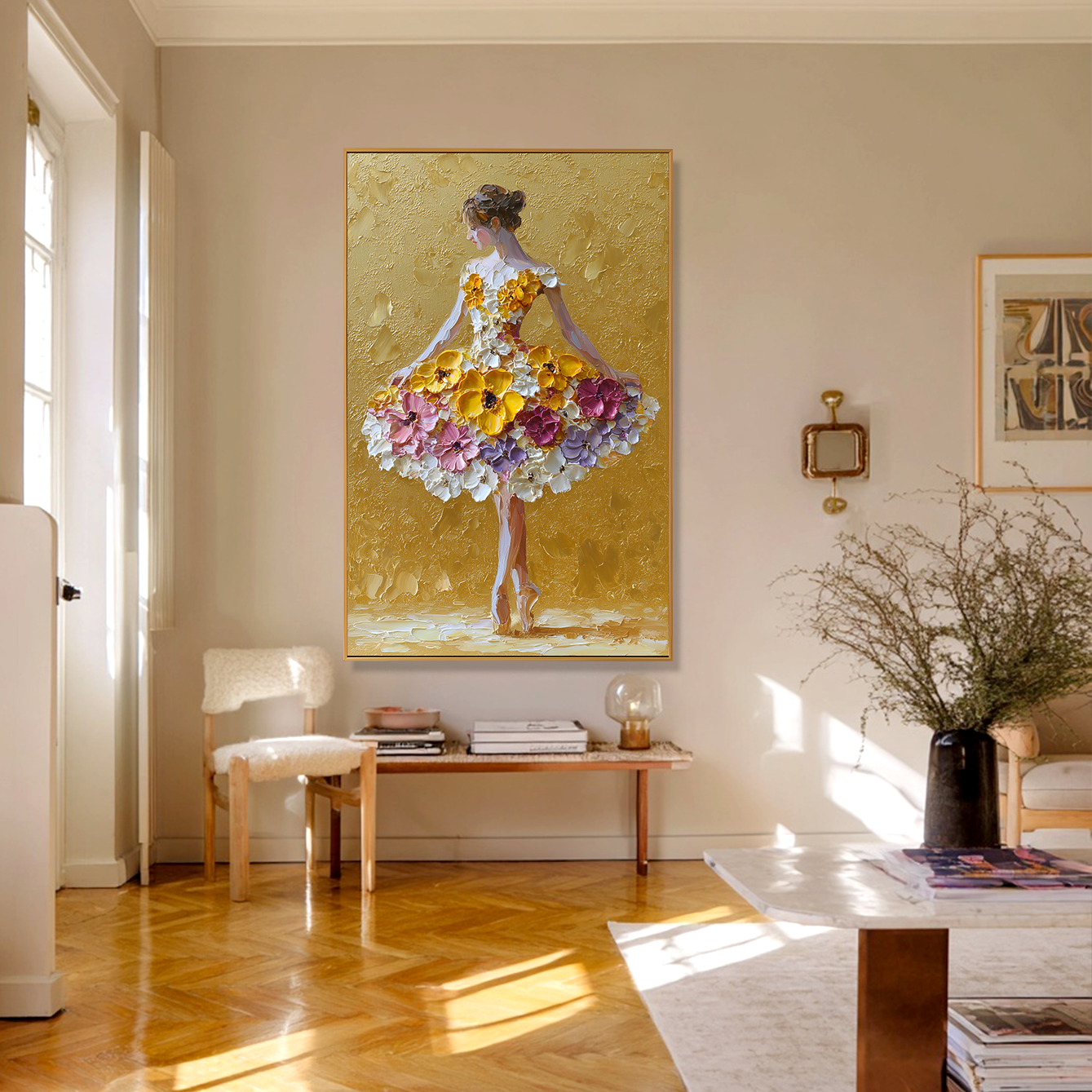
Nature paintings influence emotional well-being by visually reconnecting the mind to calming natural environments. Soft greens, open horizons, and organic textures help reduce stress responses, support cognitive recovery, and create a sense of balance. In interior spaces, these artworks act as visual anchors that soften harsh architectural elements while subtly improving how a room feels and functions.(Edited on June 8, 2026)

Why Are We Psychologically Drawn to Nature Paintings?
Humans are naturally inclined toward visual representations of nature because of an innate biological connection often described as biophilic response. Scenes featuring water, forests, or open skies signal safety, stability, and resource abundance at a subconscious level.
In interior environments dominated by concrete, glass, and artificial lighting, nature paintings reintroduce visual cues that the brain associates with calm. This is why even abstract interpretations of natural forms can evoke relaxation and emotional grounding.
How Do Nature Paintings Reduce Stress in Interior Spaces?
Nature-based imagery helps regulate stress by engaging the parasympathetic nervous system, which supports relaxation and recovery. When placed strategically in living or working environments, these artworks can soften the psychological impact of fast-paced, high-pressure settings.
In design practice, large-scale nature paintings are often positioned in primary sightlines such as behind seating areas or across from workstations. This placement allows the viewer’s gaze to rest periodically, reducing visual fatigue and supporting sustained focus.
At Artextured, this calming effect is extended further by combining nature-inspired visuals with acoustic art panels that help soften ambient noise, enhancing both emotional and sensory comfort.
What Role Do Color and Composition Play in Emotional Response?
Color and spatial composition are critical in determining how a nature painting affects mood and perception. Cool tones and expansive compositions tend to produce the most calming effects.
Color Element | Psychological Impact | Interior Application
Soft Greens | Balance and restoration | Offices, reading areas
Blues | Calm and mental clarity | Bedrooms, lounges
Earth Tones | Stability and warmth | Living rooms, hospitality spaces
Light Gradients | Openness and relief | Small or enclosed rooms
Wide perspectives, such as distant horizons or layered depth, create a sense of openness that counteracts the confined feeling often found in urban interiors.
How Do Nature Paintings Interact with Modern Architectural Materials?
Modern interiors frequently feature hard, reflective materials like polished concrete, glass partitions, and stone surfaces. While visually striking, these materials can create both acoustic harshness and emotional coldness.
Nature paintings introduce contrast by adding organic visual softness. When combined with textured surfaces or multi-material compositions, they also influence how light and shadow behave within a space.
Artextured integrates this principle by developing artworks that merge natural visual themes with tactile depth and sound-absorbing structures, helping designers balance aesthetic clarity with environmental comfort.
Can Nature-Inspired Art Improve Acoustic Comfort?
Nature paintings alone do not inherently control sound, but when designed with acoustic integration, they can contribute to a more balanced auditory environment.
Art Type | Visual Benefit | Acoustic Contribution
Standard Canvas | Aesthetic enhancement | Minimal
Textured Artwork | Depth and shadow play | Slight diffusion
Acoustic Art Panels | Visual and sensory integration | Helps reduce echo
In open-plan offices or high-ceiling residential spaces, combining visual calm with sound absorption can significantly improve perceived comfort. Artextured explores this intersection by embedding acoustic functionality within visually refined artworks.
What Design Mistakes Can Reduce the Effectiveness of Nature Paintings?
A common issue is treating nature paintings as purely decorative without considering placement, scale, or surrounding materials. Small artworks placed on expansive walls often fail to create meaningful visual impact or emotional engagement.
Another mistake is ignoring lighting. Harsh directional lighting can distort colors and create glare, reducing the calming effect. Similarly, placing serene imagery in acoustically harsh environments without addressing echo can create a mismatch between what the eye sees and what the ear experiences.
Overloading a space with too many competing artworks can also dilute the intended sense of calm, turning a restorative environment into visual clutter.
How Does Artextured Approach Nature-Based Acoustic Art?
Artextured approaches nature paintings as part of a broader sensory design strategy rather than isolated decorative elements. Originating from real gallery challenges with ambient noise, the collective developed art pieces that address both visual and acoustic conditions.
Their work blends traditional artistic techniques with advanced material layering, allowing each piece to contribute to spatial harmony. Nature-inspired themes are often paired with textured finishes, creating depth while supporting sound diffusion in modern interiors.
This approach aligns particularly well with offices, hospitality environments, and residential spaces seeking both tranquility and refined visual identity.
Artextured Expert Views
“Nature-based art is not only about visual beauty but about restoring balance within built environments. When integrated thoughtfully, it can soften both the visual and acoustic intensity of modern architecture. By combining natural imagery with material depth and acoustic sensitivity, artworks become active contributors to how a space feels, not just how it looks.”
How Will Nature Paintings Influence Future Interior Design Trends?
Nature-inspired art will continue to play a central role in wellness-driven design. As urban environments become denser and more digitally saturated, the demand for calming visual elements will increase.
Future directions include multi-sensory artworks, sustainable materials, and integrated acoustic solutions. Designers are moving toward curated environments where every element supports both emotional well-being and functional performance.
Nature paintings, especially when enhanced with texture and acoustic awareness, will remain essential tools for creating balanced, human-centered spaces.
FAQs
Why do nature paintings feel calming in indoor environments?They activate psychological responses linked to natural settings, helping reduce stress and restore mental clarity. This makes them especially effective in visually and acoustically intense interiors.
Where should nature paintings be placed for maximum impact?They should be positioned in primary visual zones such as above seating, across from desks, or along central sightlines to encourage moments of visual rest.
Can nature paintings improve productivity in workplaces?Yes, calming visuals can support focus and reduce mental fatigue. When combined with acoustic considerations, they contribute to a more comfortable and efficient work environment.
Are acoustic nature paintings suitable for residential use?They are particularly effective in open-plan homes where echo and noise can affect comfort. Integrating visual calm with sound control creates a more balanced living space.
What makes Artextured different in nature-based wall art?Artextured combines artistic craftsmanship with acoustic awareness, creating pieces that enhance both visual serenity and environmental comfort in modern interiors.
Conclusion
Nature paintings are more than aesthetic additions; they are powerful tools for shaping emotional and sensory experiences within a space. By introducing calming visuals, balanced color palettes, and thoughtful composition, they help counteract the intensity of modern architecture. When combined with acoustic awareness—especially through approaches developed by Artextured—these artworks become essential elements in creating interiors that feel शांत, focused, and deeply human-centered.