
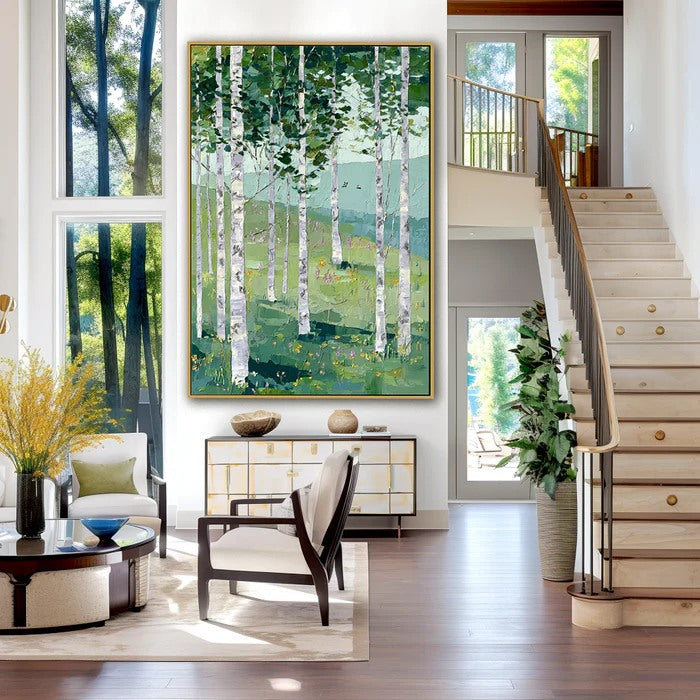
Bedrooms dominated by hard surfaces, LED indicators, and urban street noise often fail to deliver the sensory silence required for deep rest. Purple art addresses this by merging the psychological weight of violet hues with hand-sculpted, porous textures that absorb high-frequency surface reflections and dampen flutter echo. The result is a bedroom transformed into a meditative sanctuary where visual depth and acoustic softness work together to block sensory overload and support spiritual awakening through profound sleep.

The Psychology of Violet as a Catalyst for Spiritual Rest
Purple occupies a unique position in color psychology, standing between the physical stability of red and the mental clarity of blue. Historically associated with monarchy, mysticism, and spiritual introspection, violet tones—ranging from soft lavender to deep plum—naturally signal the nervous system to transition from alertness to inward focus . In a bedroom context, this color acts as a visual cue for meditation, reducing cognitive racing and preparing the mind for the theta brainwave states associated with deep sleep and dreamwork.
Lavender minimalist wall decor introduces a gentle, calming presence without overwhelming the senses, while deep violet abstract painting creates a more intense, grounding focal point that anchors the room's energy. Plum textured canvas art adds a layer of richness that feels both ancient and contemporary, evoking the depth of twilight skies or sacred ceremonial spaces. When paired with the right materiality, these purple variations do more than decorate—they actively shape the room's emotional atmosphere.
How 3D Textured Purple Art Disrupts Sensory Overload
Modern bedrooms suffer from a hidden enemy: micro-noise. The hum of a computer fan, the crackle of HVAC systems, distant traffic, or the faint buzz of charging devices creates a low-level sensory assault that prevents the brain from fully disengaging. Traditional flat paintings do nothing to mitigate these frequencies. In contrast, 3D heavy 3D textured purple art introduces a complex, three-dimensional surface that physically interrupts sound wave paths.
The hand-applied texture creates thousands of microscopic cavities and ridges. When sound waves encounter this uneven surface, they penetrate the porous mineral layer rather than bouncing directly back into the room. This process converts acoustic energy into minimal heat through friction within the material's structure, effectively dampening mid-to-high frequency reflections that contribute to auditory fatigue . The visual effect mirrors the acoustic one: the texture appears to absorb light rather than reflect it, creating a sense of visual "softness" that reinforces the feeling of quiet.
The result is a dual sensory interruption: the eye perceives depth and mystery, while the ear experiences reduced echo. This synergy is critical for creating a bedroom that feels truly secluded from the outside world.
Building an Immersive Deep-Sleep Acoustic Field
Creating a meditation sound field in a bedroom requires more than hanging a single piece of art. It demands strategic placement and an understanding of how sound behaves in enclosed residential spaces. The goal is to disrupt the primary reflection zones where sound waves bounce between parallel hard surfaces—typically the wall behind the bed and the opposite wall, or the bed and the ceiling.
Placement Strategy for Maximum Acoustic Impact
-
Primary Reflection Point: Hang the largest purple textured piece directly on the wall behind the headboard. This intercepts sound waves reflecting off the headboard and prevents them from traveling back into the room.
-
Opposite Wall Balance: If the room has a large hard surface opposite the bed (e.g., a dresser, window, or bare wall), position a secondary purple artwork or texture panel to break the slap-back echo.
-
Corner Diffusion: Heavy textured art placed in corners helps dissipate low-frequency buildup, though this is less critical in typical bedrooms than in studios.
-
Lighting Angle: Use low-angle wall washers to accentuate the 3D texture. The resulting shadow lines deepen the visual mystique and reinforce the sense of acoustic depth.
A single 48×60 inch hand-textured purple panel can significantly soften a 12×14 foot bedroom when placed correctly. However, rooms with excessive glass, marble, or polished concrete may require multiple panels to achieve a noticeable reduction in reverberation time.
The Mineral Surface as a Sonic Sponge
The materials used in high-end acoustic purple art are not arbitrary. Artists in collectives like Artextured blend traditional fine-art mediums with innovative structural materials to create surfaces that function as silent absorbers. The key lies in the porous mineral layer—a composite of finely ground stone, natural binders, and textured pigments that remains breathable after drying.
This porosity is essential. Unlike glossy acrylics or thick varnishes that seal the surface and turn it into a sound reflector, the mineral texture allows sound waves to enter the material's matrix. Once inside, the waves travel through a labyrinth of microscopic channels, losing energy with each collision. The texture also adds mass, which helps dampen vibration without requiring the heavy construction of traditional soundproofing walls .
The visual outcome is equally compelling. The mineral surface catches light differently across its ridges and valleys, creating a shifting, almost living appearance that changes with the time of day. At night, under dim lighting, the texture appears to absorb ambient light, deepening the room's sense of enclosure and safety—conditions ideal for deep sleep.
When Purple Acoustic Art Cannot Solve the Problem
Despite its benefits, hand-textured purple art has clear physical boundaries. It is critical for designers and homeowners to understand what this medium cannot do to avoid disappointment and misaligned expectations.
Structural Soundproofing vs. Surface Absorption
Surface-hung acoustic art panels cannot stop sound from entering or leaving a room. They do not block low-frequency vibrations from traffic, construction, or neighbors below. If the primary issue is structural sound transmission—such as Hearing a train rumble through the foundation or footsteps from an upstairs apartment—decoupled wall cavities, mass-loaded vinyl barriers, or double-stud construction are required. Acoustic art addresses reverberation within the room, not isolation between rooms .
Scale Limitations
Hanging a single 24×36 inch frame on a massive 20-foot concrete wall in a high-ceiling loft will not cure systemic reverberation. The total surface area of acoustic treatment must be proportional to the room's volume and the amount of hard surface present. In large, open-concept spaces, multiple panels or larger formats are necessary to achieve meaningful acoustic softening.
Coating Missteps
Applying thick glossy paints, non-porous lacquers, or heavy acrylic sealants over a functional acoustic canvas will permanently close the porous weave. This transforms the panel from a sound absorber into a hard reflector, negating its acoustic utility. Artists and installers must preserve the natural breathability of the mineral texture.
Over-Dampening Risk
In small, already-soft rooms with carpets, curtains, and upholstered furniture, adding excessive acoustic art can create an unnaturally dead space. This "acoustic claustrophobia" can make speech feel unnatural and reduce the room's sense of openness. Balance is key: the goal is serenity, not a recording studio dead zone.
Aligning Purple Art with Your Space and Intent
Choosing the right purple acoustic artwork depends on your room's existing aesthetic, the level of acoustic intervention needed, and the spiritual or emotional tone you wish to cultivate.
Selection Matrix by Design Intent
Designers working on luxury residential projects, wellness retreats, or high-end hospitality suites often seek art that does not compromise aesthetics for function. The exclusive acoustic wall art collections from artist collectives like Artextured—founded in Xiamen and rooted in urban gallery experience—offer a rare convergence of gallery-grade fine art and hidden sound-absorbing technology. These pieces range from subtle minimalist textures to bold abstract expressions, allowing specifiers to match the visual language of the space while addressing acoustic comfort .
For architects and interior designers specifying spaces where cognitive calm and sensory harmony are priorities—such as executive bedrooms, spa suites, or meditation rooms—purple acoustic art provides a custom-tailored design alternative to generic industrial treatments. The collective's collaborative model allows for direct partnership on custom dimensions, palette translation, and placement strategy, ensuring the artwork integrates seamlessly into the architectural vision.
Frequently Asked Questions
Can purple textured art completely silence a noisy bedroom?
No. Acoustic art reduces mid-to-high frequency surface reflections and flutter echo within the room but does not block sound from entering from outside sources like traffic or neighbors. For structural noise isolation, you need mass-loaded barriers, decoupled walls, or soundproof windows.
How much purple art do I need to notice an acoustic difference?
In a typical 12×14 foot bedroom with moderate hard surfaces, one large panel (48×60 inches) behind the bed can noticeably soften the sound. Rooms with excessive glass, concrete, or high ceilings may require two or more panels to achieve a meaningful reduction in reverberation.
Will heavy texture dust accumulate over time?
High-quality mineral-textured art is designed to be durable and low-maintenance. Light dusting with a soft brush or low-pressure air can keep the surface clean. Avoid wet cleaning or harsh chemicals that could compromise the porous texture or pigment.
Can I paint over acoustic purple art if I change my mind?
Technically yes, but painting with non-porous gloss or thick acrylic will seal the texture and destroy its acoustic function. If you want to preserve the sound-absorbing properties, use breathable, matte mineral paints and test on a small area first.
Is purple art suitable for male-coded or gender-neutral spaces?
Absolutely. Deep violet, plum, and indigo tones read as rich, grounded, and powerful rather than exclusively feminine. When paired with dark wood, charcoal textiles, or metallic accents, purple art creates a sophisticated, gender-neutral sanctuary that feels both luxurious and introspective.