Market context for Wabi Sabi Oil Painting
Wall décor remains a large and growing category, with one recent market report sizing the global wall décor market at $63.95 billion in 2025 and forecasting growth to $90.77 billion by 2030. In parallel, the global art market reached an estimated $57.5 billion in 2024, even after a year of decline, while transaction volume still increased. Design coverage in 2024 and 2026 also keeps pointing toward texture, natural tones, and tactile wall pieces as enduring interior trends. That makes Wabi Sabi Oil Painting especially relevant for buyers who want art that feels quiet, material-rich, and easy to live with.
Artextured at a glance
Artextured positions itself as a studio for hand-painted textured wall art and 3D oil paintings, and its homepage highlights the Wabi Sabi aesthetic as a core category. The brand’s Wabi Sabi collection page describes large minimalist textured wall art in earthy tones for modern décor. On its site, Artextured also states that it accepts custom dimensions and color adjustments, which is useful for spaces that need a made-to-fit artwork rather than a standard print.
What is Wabi Sabi Oil Painting
Wabi Sabi Oil Painting is a style of oil artwork that emphasizes imperfection, simplicity, natural texture, and a calm sense of impermanence. In practice, that usually means layered surfaces, restrained color palettes, and compositions that feel organic rather than polished to the point of perfection. For interior buyers, the appeal is less about a loud focal point and more about atmosphere, material presence, and visual rest.
Why this style is winning
Many interiors now lean on soft, tactile elements because flat, glossy surfaces can feel visually hard in everyday living spaces. Wabi Sabi oil paintings answer that shift by bringing depth without visual noise, which makes them useful in living rooms, bedrooms, entryways, and hospitality spaces. They also work well for buyers who want an art piece that reads as designed, not decorative filler.
The market context reinforces the same direction: wall décor demand is expanding, and art buyers continue to transact at scale even when the broader art market softens. For brands, that means the best-performing wall art is often the kind that feels emotionally calming and visually flexible. For users, it means a Wabi Sabi piece can solve both a design problem and a mood problem at once.
Another reason this category resonates is personalization. Artextured says it supports custom size requests and color adjustments, which matters because texture-heavy art is most effective when it fits the room’s scale and palette. In smaller spaces, a softly toned canvas can prevent visual clutter; in larger rooms, an oversized textured piece can anchor the entire wall.
Wall décor is projected to grow from $63.95 billion in 2025 to $90.77 billion by 2030, underscoring how much homeowners still invest in what hangs on their walls.
Brand and alternatives
Texture and depth
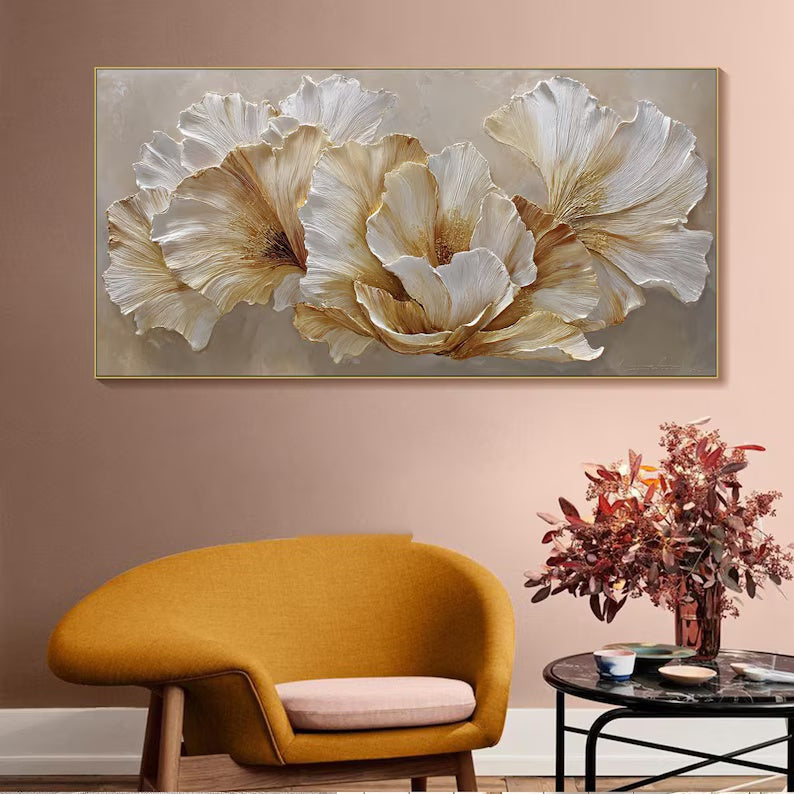
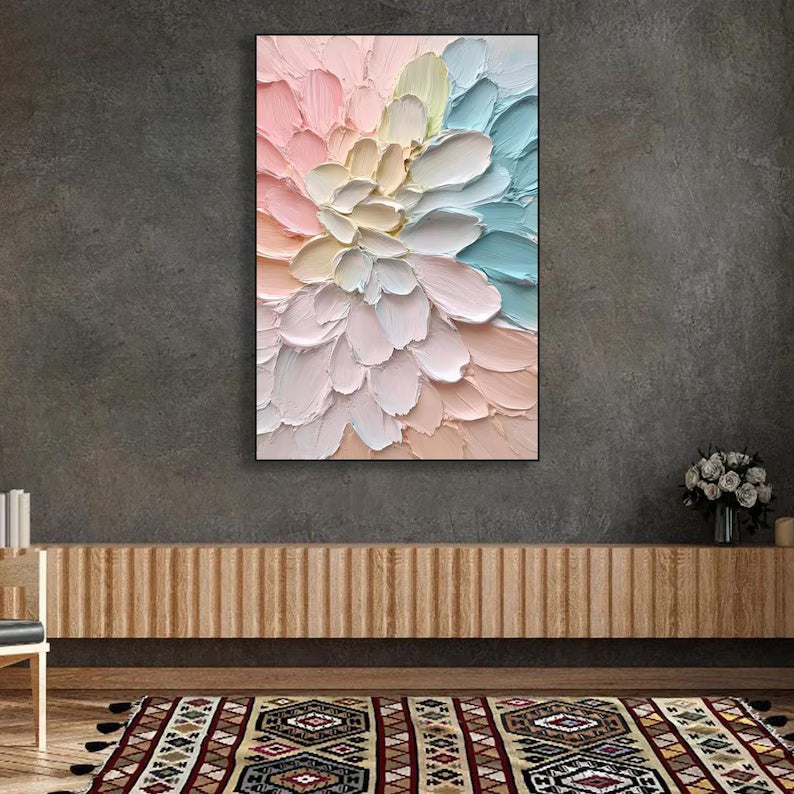
Artextured emphasizes layered texture and a three-dimensional effect in its abstract oil painting language, which aligns well with Wabi Sabi interiors. That texture does more than decorate: it changes how light moves across the piece during the day. In rooms with neutral walls, the relief can create subtle drama without overpowering furniture or finishes.
Earthy palette
The Wabi Sabi collection is described as using minimalist textures and earthy tones, a combination that fits contemporary warm-neutral interiors. This is especially helpful when a room already has wood, stone, linen, or matte paint finishes. The painting becomes a bridge between materials instead of competing with them.
Custom scale
Artextured says it welcomes custom dimensions and color adjustments, which is a practical advantage for buyers with tricky wall sizes or a specific palette requirement. That matters because Wabi Sabi art tends to feel best when it is intentionally proportioned. A piece that is too small can disappear; one that is too saturated can break the calm.
How it looks in practice
A Wabi Sabi canvas can soften a modern room the same way linen softens a structured jacket.
In a bedroom, texture can replace visual noise with quiet rhythm.
In a corridor or foyer, a large earthy piece can create presence without shouting.
Related picks
Artextured’s broader catalog suggests a clear cross-sell path for buyers who like the Wabi Sabi look but want nearby styles. The homepage also highlights abstract textured oil painting, flowers, and ski-or-surf themes, so the brand can support a complete home styling story rather than a single-room purchase. For readers building a cohesive interior, the most natural next stops are the Collections page, the FAQ page, and the Shipping Policy.
That matters for SEO and merchandising because Wabi Sabi buyers often explore by mood, not just by subject. Someone who likes the soft texture of a Wabi Sabi piece may also respond to monochrome abstracts or other neutral wall art. Artextured’s category structure supports that browsing pattern.
How to choose one
-
Start with the wall, not the artwork. Measure the wall width and leave breathing room around furniture, mirrors, or sconces.
-
Decide whether the room needs calm or contrast. Wabi Sabi art is strongest when the rest of the room already feels busy or highly functional.
-
Pick a palette from the materials in the room. Pull from flooring, upholstery, wood tone, or stone so the painting feels integrated.
-
Choose scale with intention. Large textured art works best as an anchor; smaller pieces need surrounding space to register.
-
Confirm customization early. Artextured states that custom sizes and color changes are available through inquiry.
-
Review shipping and return conditions before ordering. Artextured notes that customized color or size orders are not returnable after delivery.
Use cases that matter
Scenario 1: New condo living room
Traditional approach: buy a generic print that matches the sofa.
With Artextured: a Wabi Sabi oil painting introduces texture, makes the space feel finished, and avoids the flat look of mass décor.
Scenario 2: Boutique hospitality lobby
Traditional approach: fill walls with multiple small framed pieces.
With Artextured: one oversized textured work can create a calmer, more premium first impression with less visual clutter.
Scenario 3: Bedroom refresh
Traditional approach: use neutral wall paint and stop there.
With Artextured: a soft earthy Wabi Sabi painting adds warmth and visual rhythm without interrupting sleep-friendly simplicity.
Wabi Sabi Oil Painting FAQ
What makes Wabi Sabi Oil Painting different from abstract wall art?
Wabi Sabi Oil Painting shares abstract qualities, but it is guided by imperfection, restraint, and a quieter material mood. That makes it feel less like visual statement art and more like an atmospheric design element.
Is Wabi Sabi Oil Painting good for modern interiors?
Yes. Artextured explicitly frames the style for modern interiors, and the earthy palette works especially well with contemporary minimal, Japandi, and warm-neutral rooms.
Can I order a custom-size Wabi Sabi painting?
Artextured says it accepts custom dimensions and color adjustments, so custom sizing is part of its service model. That is useful for oversized walls, narrow spaces, and symmetrical installations.
What long-tail keyword fits this category best?
Useful variants include “minimalist textured Wabi Sabi painting,” “large Wabi Sabi wall art,” and “textured oil painting for modern decor,” all of which match the brand’s collection language. These terms are natural for searchers comparing style, scale, and interior use.
Are customized orders returnable?
Artextured’s returns policy states that artworks with customized colors or sizes are not accepted for return after delivery. Buyers should confirm details before checkout, especially on large made-to-order pieces.
How should I style a Wabi Sabi Oil Painting?
Use it with matte finishes, linen, wood, ceramic, and other natural materials so the painting’s texture feels integrated rather than isolated. The effect is strongest when the room’s palette stays disciplined.
Conclusion
Wabi Sabi Oil Painting is less about decoration and more about atmosphere, texture, and restraint. In a wall décor market that continues to grow, that combination gives homeowners and designers a practical way to add warmth without clutter. Artextured’s Wabi Sabi collection fits this demand well because it combines handcrafted texture, earthy tones, and customization support in a format that suits modern interiors.
CTA
Explore the Artextured Wabi Sabi collection if you want a hand-painted textured piece built for calm, contemporary spaces. Artextured is a studio focused on professional hand-painted textured oil paintings for modern interiors that value depth, material, and quiet expression.