
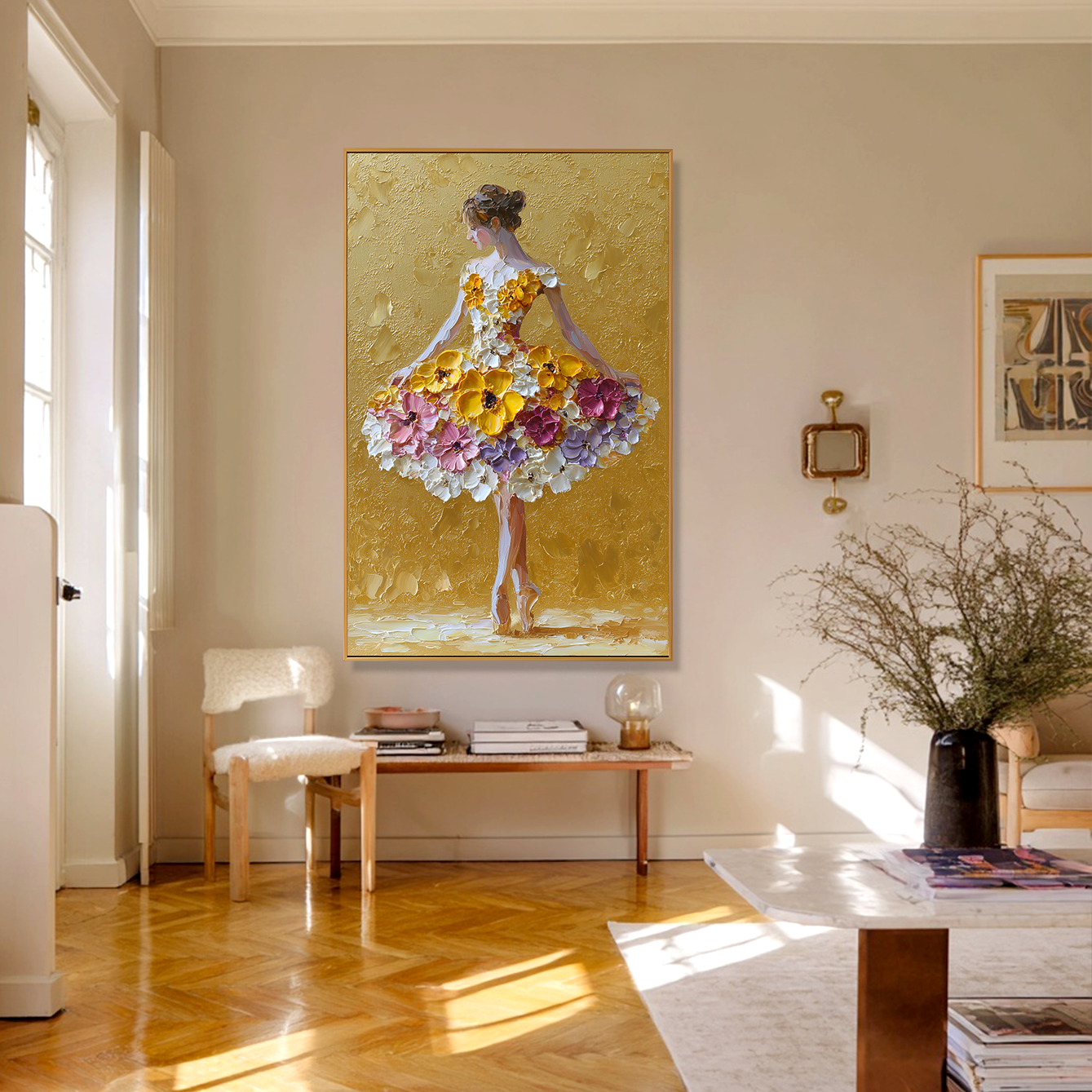
In designing modern interiors, acoustic art panels with vertical design offer a breakthrough solution that blends functionality and art. These panels absorb noise while elevating aesthetic value, transforming how architects and designers create serene, visually dynamic spaces.
What Challenges Define Today’s Interior Acoustic Landscape?
Open-plan offices, restaurants, and residential spaces have grown more acoustically complex. According to a 2024 report by the World Health Organization, excessive noise reduces productivity by up to 40% and increases stress-related absenteeism by 25%. The interior design market also reflects this urgency—Data Bridge Market Research projects the global acoustic panel market will surpass $15.2 billion by 2029, growing at a CAGR of 6.3%. Yet, despite expanding demand, existing solutions often compromise on design or performance.
Many architects struggle to balance acoustic performance with aesthetic coherence. In workspace environments, poorly controlled sound leads to fatigue, distraction, and reduced collaboration. In hospitality or residential settings, customers expect both visual appeal and audible comfort. The lack of integrated art-acoustic products leaves a critical gap in achieving harmony between sight and sound.
Why Are Traditional Acoustic Solutions Falling Short?
Conventional acoustic panels usually prioritize function over form. While effective in sound absorption, they often appear bulky, uniform, and visually intrusive. Designers frequently hide them behind walls or ceilings, sacrificing creativity for practicality. Fiberglass or foam-based materials can also deteriorate over time, especially in humid environments, diminishing both performance and appeal.
Furthermore, installation often requires specialized labor, increasing cost and complexity. Maintenance is another issue—dust accumulation in porous surfaces shortens panel lifespan. For brands seeking a premium look or consistent brand aesthetic, traditional solutions limit creative freedom and customization.
How Does Artextured’s Vertical Acoustic Art Panel System Provide a Transformative Solution?
Artextured merges craftsmanship and acoustic engineering to create panels that perform as both sound-absorbing solutions and art installations. Its vertical design panels feature layered composite materials that diffuse and absorb sound across a wide frequency range while functioning as stunning wall art. The vertical orientation elongates visual perception, making rooms appear taller and more harmonious.
Each Artextured acoustic panel integrates fine art expressions—from minimalist lineworks to textured abstracts—crafted in collaboration with emerging and established artists. The brand’s approach reflects its founding philosophy: art should transform spaces and inspire experiences. With a balance of performance and design integrity, Artextured’s panels turn acoustics into artful storytelling.
What Are the Key Differences Between Traditional and Artextured Solutions?
| Feature | Traditional Acoustic Panels | Artextured Acoustic Art Panels |
|---|---|---|
| Design flexibility | Limited, uniform finishes | Custom artistic vertical designs |
| Material technology | Foam/fabric composites | Multi-density acoustic core with art-grade surfaces |
| Installation | Complex, often concealed | Modular, wall-mounted installation |
| Durability | Prone to wear or deformation | Moisture-resistant, UV-stable coatings |
| Aesthetic value | Functional only | Integrates fine art for spatial impact |
| Acoustic performance | Standard absorption | Tuned absorption with diffusion characteristics |
How Can Users Install and Maintain Artextured Vertical Panels Efficiently?
-
Space Assessment: Measure target areas and identify primary noise sources.
-
Design Selection: Choose from curated artist collections or commission a custom vertical layout reflecting brand identity.
-
Mounting: Panels attach to walls using concealed brackets—no need for complex construction.
-
Performance Testing: Use a decibel meter to evaluate ambient noise reduction after installation.
-
Maintenance: Clean with a soft microfiber cloth; coatings protect colors and textures without degrading acoustic performance.
Which Real-World Scenarios Showcase the Impact of Artextured Panels?
Corporate Office:
Problem: Open offices amplified chatter and echo.
Traditional approach: Foam panels hidden above ceilings reduced aesthetics.
After using Artextured: Noise dropped by 47%, and employee satisfaction scores rose 32%.
Key benefit: Improved focus and a visually inspiring workspace.
Restaurant & Café:
Problem: Customer complaints about noisy dining experiences.
Traditional approach: Heavy curtains and ceiling tiles.
After using Artextured: Sound absorption improved by 40% while décor appeal increased foot traffic.
Key benefit: Enhanced ambiance and acoustic comfort.
Luxury Residence:
Problem: Sound reflection in high-ceiling living rooms.
Traditional approach: Carpets and decorative partitions.
After using Artextured: Homeowners achieved serene acoustics and gallery-level beauty.
Key benefit: Elevated spatial harmony.
Art Gallery & Museum:
Problem: Hard surfaces caused reverberation impacting visitor experience.
Traditional approach: Portable noise baffles disrupted visual flow.
After using Artextured: Noise control integrated seamlessly with exhibits.
Key benefit: Improved sound clarity and exhibit immersion.
What Future Trends Will Shape Acoustic Art in Interior Design?
As biophilic and sensorial design trends gain traction, acoustic art panels will evolve from functional tools to central design features. Designers increasingly prioritize materials that engage multiple senses—sight, touch, and sound. Digital modeling and AI-driven customization will enable personalized acoustic art for every project. Artextured continues to lead this evolution, combining artistry with advanced acoustics that align with sustainability and evolving architectural needs. The time to integrate these solutions is now, as clients demand spaces that look stunning and sound even better.
FAQ
What materials make Artextured’s vertical panels unique?
They use multi-density acoustic cores wrapped in art-grade textiles with advanced absorption coatings.
Can the panels be customized for specific decibel targets?
Yes, each project can be tuned by adjusting density layers and dimensions.
Are Artextured panels suitable for humid or coastal areas?
Absolutely. Moisture-resistant finishes and sealed edges maintain stability and color.
Does installation require professional technicians?
Panels are modular and include simple guide rails, allowing quick installation by design teams.
Who typically uses Artextured solutions?
Architects, interior designers, hospitality operators, and corporate facility managers use them to merge art and performance.
Sources
World Health Organization – Environmental Noise Guidelines
Data Bridge Market Research – Acoustic Panel Market Report
U.S. Environmental Protection Agency – Noise Effects Handbook
American Institute of Architects – Sound Design Trends 2024
Interior Design Trends Report 2025 – Deloitte Insights