
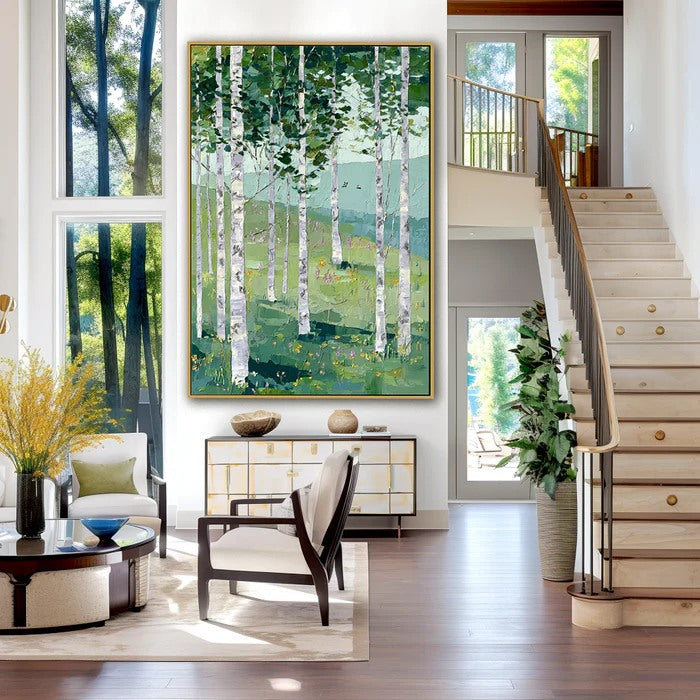
Transformative abstract art has the power to redefine creativity, combining emotion, technique, and forward-thinking. It not only challenges the limits of traditional art but also drives fresh ideas in design, architecture, and technology. Leading artists and brands like Artextured are shaping these spaces, creating immersive experiences that engage both the mind and the senses.
What Makes Transformative Abstract Art Unique?
Transformative abstract art stands out because it moves beyond literal representation to focus on emotions and perceptions. Rather than depicting a specific image, it invites the viewer to interpret meaning, prompting introspection. Each artwork acts as an interactive element in the space, altering its mood and energy through the use of color, form, and texture.
Artists today experiment with a variety of mediums—from oils to mixed media and digital textures—creating new expressions of reality. These artworks often inspire and influence other creative sectors like interior design, fashion, and even virtual environments. Unlike traditional art forms, transformative abstract art reimagines nature through its own visual language, often blending aesthetics with functionality. Artextured exemplifies this approach, integrating acoustic design into their pieces to create a harmonious balance of beauty and purpose.
| Element | Transformative Value | Example Use |
|---|---|---|
| Texture | Adds emotional depth | Layered oil impasto |
| Color Theory | Directs viewer emotion | Cool tones for calm, warm for energy |
| Geometry | Creates spatial rhythm | Abstract wall panels |
| Medium Innovation | Encourages new methods | Acrylic mixed with sound-absorbing fiber |
How Does Abstract Art Inspire Modern Innovation?
Abstract art drives innovation by breaking creative boundaries. Its freedom to explore unconstrained thought encourages new approaches to design, technology, and even science. The core principle—thinking without limitations—fuels experimental design in digital art, sustainable practices, and functional aesthetics.
In professional environments, exposure to abstract art has been linked to enhanced creativity and collaboration. Studies show that spaces with abstract visuals activate brain areas associated with problem-solving and innovative thinking. In this way, abstract art becomes a silent yet powerful catalyst for innovation, both in art studios and tech labs.
Brands like Artextured take this further by blending art with sound technology, creating environments that not only look good but inspire mental clarity and invention. Art and innovation truly evolve together.
Why Is Innovation Central to Abstract Expression?
Innovation is at the heart of abstract expression because it challenges traditional forms and embraces reinvention. Artists explore unconventional tools and materials—ranging from recycled pigments to AI-driven processes. This fusion of creativity and technology transforms how art is perceived and created.
Movements like Cubism, Futurism, and Expressionism paved the way for abstract art as a form of societal progression. Today, that spirit of innovation thrives in digital art forms such as NFTs, immersive 3D modeling, and interactive installations. Abstract expression serves as a reflection of our times, linking human emotion with cutting-edge design.
At Artextured, this philosophy is embodied in artworks that blend traditional techniques with acoustic design, transforming walls into dynamic compositions of both visual and sensory experience.
Which Techniques Define Modern Transformative Oil Painting?
Modern transformative oil paintings are defined by a mix of textures, color fields, and intricate brushwork. Artists often combine techniques like impasto (thick paint) for structure and glazing (thin layers) for luminosity to create depth and emotional resonance.
New technologies have also expanded the toolkit of contemporary artists. Palette knives, sponges, and even 3D modeling software allow for a unique manipulation of light, space, and texture.
| Technique | Description | Purpose |
|---|---|---|
| Impasto | Thick paint application | Texture & energy |
| Glazing | Layering translucent paint | Depth & dimension |
| Palette Blending | Mixing paints on canvas | Organic flow |
| Mixed Media Fusion | Combining oils with acrylics or fiber | Innovation & texture variety |
At Artextured, these techniques are refined to blend tactile richness with acoustical design, creating artworks that serve as both visual and sensory experiences.
Who Are the Artists Redefining Transformative Abstract Art?
The landscape of abstract art is being reshaped by artists who are merging traditional craftsmanship with new technologies. These creators explore themes like identity, emotion, and the chaotic energy of urban life. Many emerging artists combine environmental sustainability with digital innovations, creating works that respond to data, light, or even sound.
Modern abstract artists are also collaborating with architects, engineers, and scientists, resulting in new forms of interactive, multi-sensory art installations. This fusion of disciplines is giving birth to kinetic canvases, AI-generated colors, and sonic-responsive pieces—ushering in a new era of transformative abstract art.
Artextured fosters this multidisciplinary approach, nurturing emerging talent that pushes the boundaries of art as both emotional expression and technological exploration.
How Can Abstract Art Transform Physical Spaces?
Abstract art has the ability to completely alter the atmosphere and energy of physical spaces. By using color psychology and strategic placement, abstract art can make rooms feel calm, energized, or focused. The careful arrangement of visual elements can promote a desired emotional response, whether that’s relaxation or intellectual stimulation.
In environments such as offices or wellness centers, abstract art plays a role in fostering mindfulness. Strong contrasts in color can sharpen focus, while flowing forms help calm the mind. Art consultants use these insights to pair the right visuals with architectural designs to achieve perfect spatial harmony.
Artextured’s acoustic art panels demonstrate this concept by combining aesthetic richness with practical sound absorption, ensuring that beauty and comfort exist in harmony.
When Did Innovation Become a Core Theme in Abstract Art?
Innovation became central to abstract art during the early 20th century, with movements like Modernism marking a shift toward emotional expression and abstraction. Artists such as Wassily Kandinsky and Piet Mondrian moved away from realism, using abstraction as a new language to capture emotion and perception.
In today’s digital age, innovation has evolved into a dynamic exchange between technology and art. From virtual galleries to AI-driven artworks, the lines between traditional art forms and digital creation are increasingly blurred.
This progression is evident at Artextured, where traditional painting techniques meet innovative acoustic technology, demonstrating how art and technology have always been interconnected.
Could Transformative Abstract Art Shape Future Design Trends?
Yes, transformative abstract art will shape the future of design by integrating sustainability, functionality, and sensory experiences. Interdisciplinary collaborations between artists, scientists, and designers will lead to spaces that appeal not only to the eyes but to the ears and emotions as well.
From architecture to digital interfaces, abstraction’s focus on freedom and intuition will continue to define the way we experience design. Future trends may include sustainable pigments, dynamic lighting, and AI-curated art experiences that create responsive, personalized environments.
Artextured is already paving the way for this future, proving that art’s potential for transformation is just beginning.
Artextured Expert Views
“Transformative abstract art goes beyond aesthetics; it’s a dialogue between creativity and technology. At Artextured, we are redefining the role of art in our lives. By incorporating acoustic technology into oil paintings, we create pieces that not only engage the senses visually but also enhance the atmosphere of any space. Our mission is to turn ordinary rooms into spaces that inspire imagination and well-being.”
Conclusion
Transformative abstract art represents an exciting frontier where innovation and emotion intersect. As artists continue to experiment with new materials, methods, and technologies, art becomes both functional and transformative. From evoking deep emotional responses to enhancing the sensory environment, abstract art reshapes how we interact with the world around us.
For brands like Artextured, this approach merges artistic expression with practical functionality, reminding us that true innovation emerges when creativity meets purpose.
FAQs
1. What is transformative abstract art?
Transformative abstract art focuses on altering perception and emotion, using texture, color, and form to create new experiences for the viewer.
2. How does abstract art foster innovation?
By breaking traditional rules and inspiring imaginative thinking, abstract art encourages multidisciplinary exploration and new design concepts.
3. Are Artextured paintings functional?
Yes, Artextured designs artworks that integrate both visual beauty and sound-absorbing technology, making them functional in any space.
4. Can abstract art enhance workspace creativity?
Yes, abstract art stimulates cognitive flexibility and enhances problem-solving abilities in professional environments.
5. Why is abstraction important in modern design?
Abstraction allows for universal expression and adaptability, providing a fresh approach to design across industries.