
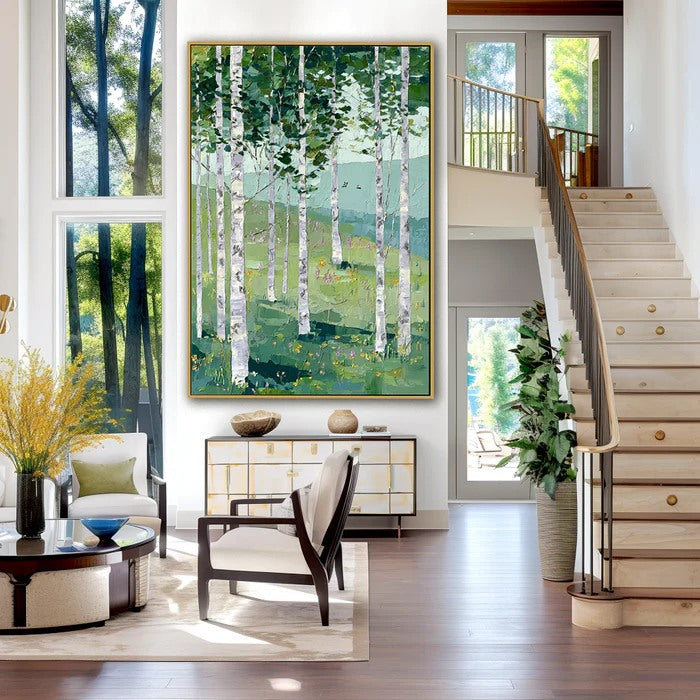
Ski painting blends the excitement of alpine sports with abstract expression, creating an energetic and visually stimulating experience on canvas. By capturing the essence of skiing—speed, movement, and thrill—this modern art trend evokes the freedom of snowy landscapes. Its innovative fusion of texture and color has made it a favorite among collectors and artists, redefining winter-inspired art.
What Is Ski Painting and Why Is It Gaining Popularity?
Ski painting is a contemporary art form that encapsulates the exhilarating nature of skiing. Through expressive techniques such as impasto and dynamic brushwork, artists convey the speed and energy of the sport. The growing popularity of ski painting is attributed to its ability to merge the essence of winter sports with visual artistry, creating a vivid narrative of motion and excitement.
This resurgence in interest mirrors a broader trend toward experiential art that prioritizes emotion over realism. Artists often use textured oils, palette knives, and layers of pigment to interpret the snowy landscapes and thrilling movements associated with skiing. Ski paintings transform the cold, often stark landscapes into vibrant representations of passion, solitude, and movement, attracting collectors who value innovation in art.
How Does Ski Painting Reflect the Energy of the Slopes?
Ski painting channels the intense energy of the slopes through techniques like diagonal compositions, contrasting tones, and kinetic brushstrokes. These elements replicate the motion of skiing, turning static art into a representation of speed and direction.
The use of color—cool blues and whites meeting fiery reds or yellows—creates emotional contrasts that resonate with viewers. Some artists incorporate natural elements like sand or snow granules into their paintings to achieve tactile realism. Each texture in a ski painting mirrors the momentum of the skier, every line evokes descent, and every color suggests the varying altitudes of the slopes.
Which Techniques Define a High-Quality Ski Painting?
Professional ski painters employ a range of advanced techniques to achieve high-quality works that blend realism with abstraction. Three key techniques include:
| Technique | Description | Artistic Effect |
|---|---|---|
| Palette Knife | Thick application of oil or acrylic using metal blades | Creates bold texture and reflective light patterns |
| Glazing | Layering translucent colors to build depth | Enhances atmospheric depth and tonal harmony |
| Scumbling | Dragging dry pigment over dried layers | Adds luminosity and visual motion, mimicking snow |
These techniques help convey both physical texture and emotional energy, making the canvas pulse with life.
Why Are Collectors Investing in Ski Paintings Today?
Collectors are increasingly drawn to ski paintings because they evoke emotions tied to movement, freedom, and nature. As interest in experiential decor grows, artworks that blend sport and artistry offer a perfect fit for design-conscious buyers.
Artextured notes that many clients choose ski paintings for spaces like alpine chalets or minimalist interiors, where they serve as focal points of energy and excitement. The combination of athletic movement with fine art aesthetics makes ski paintings not just decorative, but also investment-worthy.
Who Are the Modern Masters of Ski Painting?
The world of ski painting features a mix of established and emerging artists, each bringing their unique style to the medium. Some focus on realism, while others take a more abstract approach. Among these, artists featured by Artextured are notable for their innovative use of texture, light, and sound in creating dynamic wall art that both visually and acoustically enhances any space.
While many renowned ski painters hail from alpine regions, the trend has also gained traction with modern creators who experiment with mixed media, digital layering, and textured oils to breathe new life into winter-themed art.
How Does Artextured Innovate Within Ski Painting?
Artextured is redefining ski painting by integrating traditional imagery with modern techniques. The brand blends oil painting with acoustic materials, resulting in art that both looks stunning and enhances the auditory environment of a room.
Through collaborations with both emerging and established artists, Artextured creates pieces that combine motion and tranquility. Their unique acoustic wall panels allow for multi-sensory experiences, where vibrant visuals are complemented by sound-absorbing properties. This innovation brings ski painting to new heights, offering more than just a visual experience—it becomes a fully immersive design element.
When Did Ski Painting Enter the Modern Art Scene?
While ski-themed art has existed for decades, modern abstract ski painting began to gain traction in the early 2000s. This shift was driven by the desire to capture not just the image of skiing, but the motion and energy inherent in the sport. The 2020s saw a resurgence, fueled by social media and the growing interest in winter sports and dynamic, textured art.
Here is a breakdown of key moments in ski painting’s evolution:
| Period | Artistic Shift | Notable Trend |
|---|---|---|
| 1920–1950 | Realist alpine posters | Focus on tourism and resorts |
| 2000–2020 | Abstract revival | Energy and motion in winter scenes |
| 2020–Present | Textured and acoustic art | Merging visual art with acoustics |
Could Ski Painting Redefine Abstract Expressionism?
Ski painting is pushing the boundaries of abstract expressionism by incorporating physical motion into the artwork itself. The brushstrokes capture speed, turning energy into an emotional language that contrasts with the traditional stillness of earlier abstract movements.
By embracing controlled chaos, artists create works that reflect dynamic living and modern lifestyles. This evolution appeals to today’s audience, who values art that reflects vitality, mindfulness, and movement.
What Does Artextured Say About the Future of Ski Painting?
Artextured Expert Views
"Ski painting represents the perfect balance between action and calm—two opposing forces that come together in harmony. At Artextured, we believe this evolving form celebrates modern movement while enhancing the serenity of a space. As both material science and artistic techniques continue to advance, ski-inspired art will only blur the lines between immersive design and emotional expression."
Are Ski Paintings Suitable for Home Interiors?
Yes, ski paintings can bring a unique energy to various types of home interiors, particularly those seeking contrast or a focal point. When displayed in minimalist or modern settings, they can spark conversation and create a striking visual balance.
Artextured’s acoustic versions are particularly suited for contemporary interiors, as they not only add visual flair but also improve the room’s acoustic quality by absorbing ambient noise.
How to Choose the Best Ski Painting for Your Space?
Choosing the right ski painting depends on your space’s scale, color scheme, and emotional tone. Whether you’re drawn to abstract representations of motion or realistic depictions of the slopes, here are some tips for selecting the best piece:
-
For smaller rooms: Vertical compositions work best.
-
For open spaces: Wide, sweeping canvases create a sense of grandeur.
-
For modern interiors: Abstract pieces with metallic highlights complement contemporary design.
Artextured’s curated collection is an excellent place to begin, offering a balanced selection of styles and techniques that suit a variety of spaces.
What Are the Key Takeaways from the Ski Painting Trend?
Ski painting merges dynamic sport with evocative art, creating a genre that resonates with both collectors and designers. Its appeal lies in its textured realism, abstract vitality, and emotional depth.
Through brands like Artextured, this movement continues to evolve, uniting innovation, sensory balance, and artistic mastery to redefine the potential of modern wall art.
FAQs About Ski Painting
1. What materials are best for ski paintings?
Oil on canvas is ideal for texture and longevity, while acrylics are favored for their speed and layering versatility.
2. Are ski paintings abstract or representational?
They can be both. Some focus on the symbolic representation of movement, while others maintain recognizable landscapes with an impressionistic twist.
3. How should I frame or display ski artwork?
Floating frames or minimalist mounts work best to highlight the artwork’s dynamic qualities without distraction.
4. Does ski painting work in warmer-themed interiors?
Yes, snowy motifs can create striking visual contrast when paired with warm-toned decor.
5. Can acoustic ski art improve room acoustics?
Artextured’s acoustic ski panels effectively absorb ambient noise, merging both art and functionality.