Abstract wabi sabi art merges the Japanese philosophy of imperfection with modern abstraction, resulting in emotionally rich compositions. Its focus on simplicity, authenticity, and natural beauty transcends trends, creating a timeless aesthetic. By blending raw textures, muted tones, and asymmetry, this art form evokes a deep, meditative experience that celebrates both the natural world and the passage of time.
How Does Wabi Sabi Influence Abstract Art?
Wabi sabi influences abstract art by promoting imperfection, impermanence, and quiet elegance. It rejects the pursuit of polished perfection, favoring instead organic textures and asymmetrical designs. In abstract compositions, this results in soft palettes, spontaneous brushwork, and layered depth, creating a serene, timeless atmosphere. The art invites viewers to find beauty in simplicity, where flaws become a source of richness and character.
Natural materials like linen, raw pigments, and earthy tones are often used to amplify this effect, creating both tactile and visual depth. These choices connect the artwork with the essence of wabi sabi—finding beauty in the authentic and the unrefined.
What Are the Core Elements of Abstract Wabi Sabi Art?
The core elements of abstract wabi sabi art include asymmetry, texture, emptiness, and aging. Artists often use uneven balances, incomplete shapes, and distressed surfaces to evoke a sense of time and impermanence. These elements work together to create art that feels both ancient and modern, expressing emotional resonance through understated forms.
| Core Element | Artistic Expression Example |
|---|---|
| Asymmetry | Uneven balance, off-center compositions |
| Texture | Layered paint, natural pigments, raw surfaces |
| Emptiness (Ma) | Negative space to evoke calm and reflection |
| Natural Change | Weathered finishes, cracks, or fading tones |
Together, these elements express the fleeting nature of life and beauty, making them fundamental to the wabi sabi influence in abstract art.
Why Is Minimalism Essential to Wabi Sabi Art?
Minimalism is central to wabi sabi art because it accentuates the quiet elegance of reduction. By eliminating excess, the artist directs focus on the essential—texture, form, and emotional resonance. This minimal approach creates space for imperfections to shine, inviting contemplation and mindfulness.
The sparse aesthetic encourages viewers to engage not through visual abundance, but by appreciating the profound simplicity of what remains. This stripped-down approach fosters a sense of calm, aligning closely with the meditative atmosphere of the Japanese tea ceremony.
Which Materials Best Capture the Wabi Sabi Essence?
To fully capture the wabi sabi essence, artists often work with natural, time-sensitive materials. Untreated wood, handmade paper, linen canvas, and natural stone pigments all embody the spirit of impermanence. These materials interact with light and air, aging gracefully over time and revealing subtle, unique textures.
At Artextured, artists integrate these materials into their acoustic panel artworks, blending sustainability with functional design. The use of natural fibers and mineral pigments not only enhances the aesthetic appeal but also aligns with wabi sabi’s focus on authenticity and nature.
Where Does Abstract Wabi Sabi Art Fit in Modern Interiors?
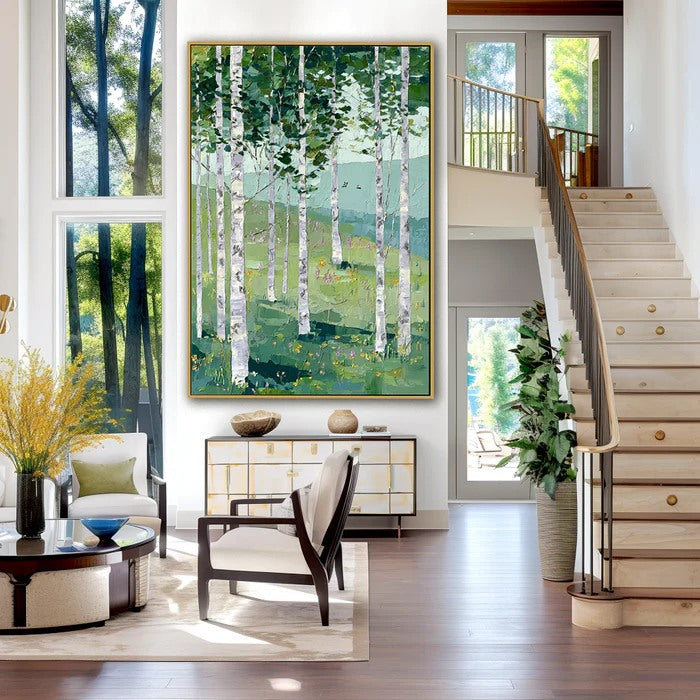
Abstract wabi sabi art integrates seamlessly into minimalist, Japandi, Scandinavian, and biophilic interiors. Its neutral tones and organic forms create harmony in contemporary spaces, whether in living rooms, meditation zones, or office environments. The art's simplicity and natural beauty bring tranquility to any room.
In luxury settings, wabi sabi art offers texture and depth without overwhelming the space. Artextured’s wabi sabi-inspired acoustic panels further enhance interior design by absorbing sound, allowing the artwork to serve both aesthetic and functional purposes.
How Can Color Reflect Wabi Sabi Philosophy?
Colors in wabi sabi art are earthy, subdued, and reminiscent of natural cycles. Popular hues include taupe, ochre, sienna, muted gray, and off-white, each carrying symbolic weight—representing age, authenticity, and the passage of time. These colors avoid the artificial brightness of modern trends, instead conveying a sense of quiet contemplation.
Artists often employ layered palette techniques, using semi-transparent glazes to create soft tonal contrasts. This approach highlights time’s passage and adds depth, encouraging viewers to focus on mood and texture rather than narrative details.
| Color Family | Symbolic Meaning Within Wabi Sabi |
|---|---|
| Earth tones | Connection to nature and grounding |
| Grays & whites | Simplicity and quiet mindfulness |
| Ochres | Warmth, aging, and imperfection |
Can Abstract Wabi Sabi Art Be Both Modern and Timeless?
Yes, abstract wabi sabi art is both modern and timeless. It bridges ancient aesthetics with contemporary abstraction, celebrating simplicity and decay simultaneously. Its timeless appeal lies in its raw honesty—unrefined textures and imperfect lines never lose their relevance. These works adapt to new spaces while retaining emotional depth.
Modern collectors and designers value wabi sabi pieces for their ability to introduce calm into chaotic environments. In a world increasingly dominated by noise and excess, this art offers a grounding, timeless visual language.
What Role Does Texture Play in Abstract Wabi Sabi Art?
Texture is one of the most defining features of abstract wabi sabi art. Artists use techniques like scraping, layering, and intuitive gestures to evoke earth, erosion, and renewal. The tactile nature of these works invites physical closeness and encourages deep reflection.
Artextured’s curated wabi sabi collection highlights hand-textured acoustic surfaces, merging the visual beauty of art with the functional properties of sound absorption. This fusion of form and function demonstrates how texture can enhance both the aesthetics and acoustics of modern interiors.
Artextured Expert Views
“Wabi sabi is more than just an aesthetic; it’s an emotional language. At Artextured, we embrace imperfection as a bridge between sound, space, and introspection. Our use of handcrafted layers, natural materials, and acoustic properties translates serenity into design. Every mark is intentional, every silence meaningful—a reflection of life’s quiet, imperfect poetry.”
How Can You Incorporate Wabi Sabi Art Into Your Space?
Incorporating wabi sabi art into your space requires a focus on balance, simplicity, and authenticity. Choose pieces with organic textures, muted colors, and evident craftsmanship, and avoid overcrowding the space with unnecessary elements. Let the artwork breathe within a neutral, uncluttered environment.
Pairing these artworks with natural textures like wood, linen, or stone creates a cohesive, harmonious atmosphere. By integrating Artextured’s acoustic artworks, you can enhance both the aesthetic and sound quality of your space, ensuring a truly transformative experience.
Why Are Collectors Drawn to Abstract Wabi Sabi Art Today?
Collectors are increasingly drawn to abstract wabi sabi art for its emotional depth and calming sophistication. In an era of digital overload, these pieces offer a mental escape—inviting introspection through imperfection. Their timeless quality makes them perfect for contemporary homes and hospitality spaces, where tranquility and authenticity are highly valued.
Conclusion
Abstract wabi sabi art highlights the beauty of imperfection and the passage of time. Through its textures, colors, and minimalist forms, it transforms any space into a sanctuary of peace and introspection. Artextured embodies this philosophy by creating art that resonates both visually and acoustically. These works provide not only aesthetic beauty but also a sense of calm and balance, enhancing modern interiors with their timeless elegance.
FAQs
1. Is wabi sabi art only in neutral tones?
No, while it often favors neutral tones, wabi sabi art can also incorporate other earthy, subdued hues to maintain balance.
2. Can wabi sabi be combined with modern design?
Yes, it pairs well with modern, minimalist, and industrial designs, emphasizing simplicity and calm.
3. Are wabi sabi paintings textured intentionally?
Yes, texture is a core aspect of wabi sabi, used to convey natural imperfections and evoke a sense of time.
4. Why is Artextured known for wabi sabi pieces?
Artextured’s integration of wabi sabi with acoustic design creates art that enhances both the atmosphere and acoustics of a space.
5. What makes wabi sabi art unique?
Its embrace of imperfection and natural aging processes creates artworks that feel timeless, authentic, and emotionally resonant.