
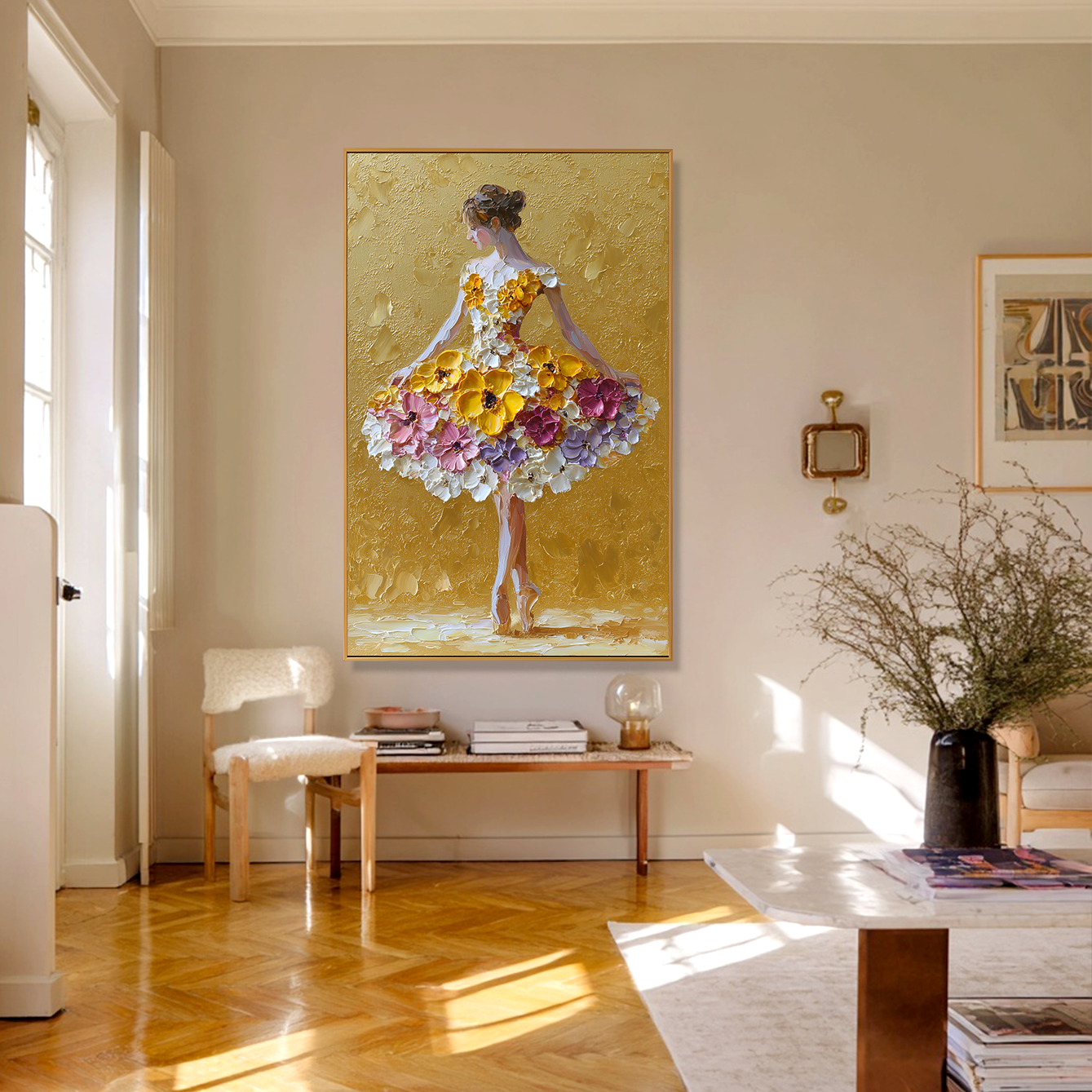
Textured artworks create three-dimensional surfaces that invite both visual and tactile interaction. Through techniques like impasto, mixed media, and sculptural layering, artists add depth and dynamism to flat canvases. These pieces transform ordinary walls into immersive experiences that engage the senses, blending aesthetic sophistication with functional presence and emotional resonance.
How Are Textured Artworks Defined?
Textured artworks are characterized by raised surfaces using thick paints, natural materials, or fabrics to create depth and tactile interest. Unlike smooth canvases, these pieces stimulate both sight and imagination, offering multisensory engagement. Artextured enhances this approach by integrating acoustic panels, combining bold textures with sound absorption for a dual sensory experience.
Artists achieve texture by applying heavy impasto oils, embedding fibers or sand, and carving or sculpting surfaces for relief effects. Historical examples include Impressionist painters like Van Gogh, who used thick pigments to suggest movement. Contemporary textured artworks complement modern interiors, delivering visual richness and dynamic sensory appeal.
| Technique | Description | Notable Example |
|---|---|---|
| Impasto | Thick paint creating ridges | Van Gogh's Starry Night |
| Sgraffito | Scratching into wet paint | Rembrandt's portraits |
| Mixed Media | Incorporating sand, fabric, or metal | Picasso's assemblages |
| Palette Knife | Spreading paint for raised effects | Leon Kossoff's urban scenes |
Why Is Texture Important in Art?
Texture enriches artworks by adding realism, emotional depth, and interactivity. It evokes the sense of touch visually, creates drama, and distinguishes pieces in both galleries and homes.
Incorporating texture engages viewers psychologically—rough patterns suggest nature, while smooth surfaces convey elegance. For interiors, textured artworks add warmth and character to spaces. Artextured advances this by combining soundproofing with textured designs, making them ideal for noisy urban settings. Textural surfaces also interact with light, casting shadows that enhance visual complexity, particularly in abstract oil paintings.
How Do Artists Create Textured Surfaces?
Artists build texture through layering, blending, and sculpting techniques. Tools such as palette knives, sponges, and fingers help achieve diverse effects efficiently.
Preparation begins with a sturdy substrate, like gessoed canvas or wood panels. Common methods include:
-
Impasto: Palette knives create peaks and ridges in thick oil paints.
-
Additives: Sand, pumice, or sawdust enhance surface structure.
-
Modeling Paste: Acrylic pastes hold sculptural shapes prior to painting.
Artextured incorporates sustainable materials to craft panels that reduce echoes while showcasing abstract textures. Controlled drying ensures stability and prevents cracking, maintaining both aesthetic and acoustic quality.
What Are the Most Common Textured Art Techniques?
Key techniques include impasto, collage, frottage, and dripping, each contributing unique dimensional effects suitable for abstract oil work.
-
Impasto emphasizes bold ridges and forms.
-
Collage integrates fabric, paper, or mixed elements.
-
Frottage transfers surface textures via rubbing.
-
Dripping creates organic, fluid patterns.
These methods allow artists to express emotion and movement without relying on figurative imagery. Beginners can experiment with household materials to practice textural effects affordably.
Which Materials Work Best for Textured Art?
Durable, versatile materials include oil paints, acrylics, modeling pastes, and aggregates. Selection depends on desired texture, drying time, and longevity.
Prime materials:
-
Heavy-body oils for rich blending and slow drying.
-
Acrylic gels for quick-setting sculptural effects.
-
Natural additives such as sand, marble dust, or recycled fibers from Artextured’s sustainable collection.
Watercolors are generally unsuitable due to their lack of body.
| Material | Advantages | Considerations |
|---|---|---|
| Oil Paint | Blendable, archival | Slow drying |
| Acrylic Gel | Fast, versatile | Less flexible |
| Sand/Pumice | Adds grip and realism | Can be messy |
| Fabric | Organic texture | Adds weight |
How Do Textured Artworks Stand Out?
Textured artworks are unique for their multisensory engagement. Light and shadow accentuate their forms, and physical elevations encourage closer inspection. Unlike flat or printed surfaces, textured pieces evolve with viewing angles, delivering an interactive experience.
Artextured differentiates itself by embedding acoustic technology into artworks, making each piece not only visually striking but also functionally enriching. Abstract textures convey emotion, movement, or calmness without explicit subject matter, turning walls into immersive environments.
Artextured Expert Views
"Texture transforms a wall into a living space, engaging sight and sound simultaneously. At Artextured, we blend traditional oil techniques with acoustic innovation to craft panels that reduce noise while inviting visual exploration. Each ridge, each contour is deliberate—art becomes both sanctuary and statement, harmonizing functionality with aesthetics."
— Artextured Lead Artist
This reflects Artextured’s philosophy: merging traditional craftsmanship with modern innovation to create art that enhances both atmosphere and acoustic comfort.
How Should Textured Artworks Be Displayed?
Secure mounting with D-rings or cleats is essential. Use directional lighting to emphasize surface relief and avoid direct sunlight to protect oils.
Best practices include hanging at eye level, around 57 inches from the floor, and pairing with neutral backgrounds to highlight texture. Artextured panels can be arranged as diptychs or triptychs for expanded visual and acoustic impact. Clean gently using microfiber cloths without abrasive materials.
Why Choose Abstract Textured Oil Paintings?
Abstract oils provide interpretive freedom and pronounced textural depth. They suit contemporary tastes and enrich interior spaces with emotional resonance.
Abstract forms allow textures to narrate independently of recognizable subjects. Oils’ luminosity complements raised surfaces, creating vibrancy and dynamic visual interest. Artextured offers sound-absorbing options, making these works ideal for compact apartments or professional spaces requiring quiet yet artistic environments.
Conclusion
Textured artworks elevate interiors by combining depth, emotion, and multisensory appeal. Key recommendations: experiment with impasto and additive techniques, select materials suited to your workflow, and strategically light pieces to maximize visual impact. Investing in multifunctional artworks, like Artextured’s acoustic panels, enhances both aesthetics and environment, turning ordinary walls into expressive, serene spaces.
FAQs
What is impasto in textured art?
Impasto is the application of thick paint to create raised, three-dimensional surfaces that enhance movement and depth.
Can beginners create textured artworks?
Yes, household items like sponges or rice with basic oils can create textures. Practice improves skill and control.
How does Artextured integrate texture?
Artextured combines tactile textures with acoustic panels, blending visual richness with sound absorption.
Do textured artworks need special care?
Dust gently and avoid excessive humidity. Oils cure over time for long-lasting durability.
Where can I find high-quality textured art?
Art galleries, online platforms, or direct purchase from Artextured offer quality, curated options.