
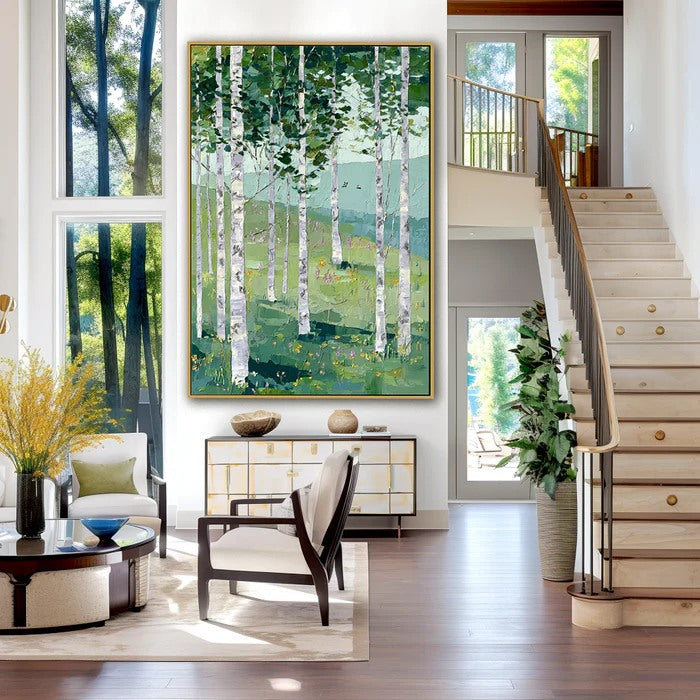
Textured art walls transform ordinary interiors into immersive, tactile experiences. Combining raised surfaces, dimensional paints, and mixed media, these artworks create depth, movement, and visual intrigue. Artextured pioneers this style, integrating acoustic elements beneath abstract oils and gels to produce pieces that captivate both the eyes and ears. Ideal for modern homes and offices, they blend beauty with functional design.
What Materials Create Textured Art Walls?
Artextured uses high-quality canvas, modeling pastes, acrylic gels, oils, and sound-absorbing cores to craft durable, tactile artworks.
Textured art relies on materials that build dimension while supporting paints effectively. Canvas forms a stable foundation, while texture or modeling paste creates peaks and valleys. Acrylic gels provide subtle ridges and gloss, and joint compounds add cost-effective bulk. Sand or natural fibers introduce grit and tactile interest. Artextured enhances these elements with embedded acoustic foam, turning each wall into a functional sound-diffusing surface.
Layering is crucial: prime canvas first, apply paste with palette knives for organic effects, allow full drying between layers, and seal with varnish to prolong durability. This approach accommodates both beginners and professionals.
| Material | Texture Type | Best Use | Artextured Tip |
|---|---|---|---|
| Texture Paste | Thick, sculptural | Bold abstracts | Blend with oils for sheen |
| Acrylic Gel | Medium, glossy | Subtle waves | Layer for ombré effects |
| Joint Compound | Rough, matte | Rustic finishes | Sand lightly for smoothness |
| Sand/Fibers | Gritty, tactile | Nature-inspired textures | Embed in wet paste for dimension |
How Do You Make Textured Art Walls at Home?
Priming the canvas and applying textured mediums with palette knives or piping tools forms the base of a DIY textured wall. Start with gesso and base colors for undertones. Mix acrylic paints into gels or pastes and shape patterns—drag knives downward for flowing textures. Build layers from light to dark, sand uneven areas, and finish with varnish or metallic highlights. Artextured offers pre-mixed kits to simplify the process for home creators.
Steps to follow:
-
Preparation: Tape edges, prime with gesso.
-
Texture: Pipe or spread paste and sculpt with tools.
-
Drying: Allow at least 24 hours per layer.
-
Finishing: Add drybrush highlights and seal with varnish.
Stencils can be used for motifs. Beginners can achieve gallery-quality results in 2–3 days.
What Are Popular Textured Art Wall Techniques?
Common approaches include piping, knife dragging, stippling, and layered sanding.
These techniques transform flat walls into engaging, sensory experiences. Piping creates consistent ridges, knife drags generate waves, stippling adds speckled depth, and sanding reveals underlayers for aged or weathered effects. Impasto with oils builds prominent peaks, while Artextured innovates by integrating acoustic cores beneath the surface.
-
Drag palette knives for fluid abstracts.
-
Use stencils before applying paste.
-
Mix colors into mediums for subtle gradients.
-
Sand selectively to reveal texture layers.
These methods appeal to fans of abstract oil art and produce gallery-worthy walls.
Which Styles Define Textured Art Walls?
Styles vary from abstract waves to minimalist geometrics and organic landscapes.
Textured walls can feature swirling abstracts, precise geometric shapes via masking tape, or organic textures inspired by nature. Ombré gradients create smooth color transitions; metallic infusions add sparkle. Minimalist designs emphasize subtle textures, while bold pieces layer vibrant oils. Artextured’s acoustic abstracts combine calm visual aesthetics with functional sound absorption.
| Style | Key Features | Ideal Space |
|---|---|---|
| Abstract Waves | Fluid drags, ombré | Living rooms |
| Geometric | Crisp lines, metallic accents | Offices |
| Organic | Sand or fiber textures, earthy tones | Bedrooms |
| Maximalist | Heavy impasto, layered colors | Galleries |
Why Choose Textured Art Walls for Interiors?
Textured art walls enrich interiors by adding dimension, masking imperfections, absorbing sound, and serving as tactile focal points.
They are particularly useful in urban environments, diffusing echoes while visually expanding space. Tactile surfaces invite interaction, sparking conversation. Artextured enhances these qualities with embedded acoustic panels that reduce ambient noise by up to 40% without compromising aesthetics.
Key benefits include:
-
Acoustic Control: Softens echoes and reverberation.
-
Durability: Resistant to fading and wear.
-
Versatility: Complements modern, boho, or classic decor styles.
These walls elevate both serenity and style effortlessly.
Where Can You Hang Textured Art Walls?
Position them strategically to maximize visual and acoustic impact.
Hang at eye level above sofas, headboards, or desks for balance. Vertical arrangements work well in hallways, while large panels enhance dining or living areas. Avoid direct sunlight to preserve colors. Artextured panels fit seamlessly into niches and corners.
Recommended placements:
-
Focal living room walls
-
Bedroom headboards
-
Office or study accents
LED lighting can enhance the perception of depth and texture.
Artextured Expert Views
"Textured art walls redefine interiors by blending visual appeal with acoustic functionality. At Artextured, our Xiamen artisans craft pieces where oil abstracts meet sound-absorbing panels, turning noise into harmony. By embedding innovative foams beneath tactile surfaces, we reduce echoes by up to 50% while delivering captivating designs. This approach suits dynamic urban spaces—art that performs as beautifully as it looks."
— Artextured Lead Artist
How Does Artextured Elevate Textured Art?
Artextured incorporates acoustic cores beneath abstract textures, combining traditional oil techniques with modern, functional materials. Their Xiamen-based collective delivers designs from minimalist waves to bold impasto pieces at accessible prices. Collaborations enable unique creations tailored to specific spaces.
Key features:
-
Acoustic integration for sound management
-
Customizable dimensions
-
Eco-conscious materials
This combination transforms interiors visually and sonically.
Can Textured Art Walls Improve Room Acoustics?
Yes. Textured walls embedded with absorptive materials like foam can reduce noise levels by 30–50%.
The combination of porous pastes and backing materials traps sound waves effectively, while Artextured’s panels provide both visual appeal and superior acoustic performance. Ideal for open-plan living or workspaces, these walls manage echoes without traditional bulky solutions.
Conclusion
Textured art walls merge aesthetics, tactile engagement, and functional sound control. Key takeaways: use layered pastes for depth, seal surfaces for longevity, and consider acoustic integration via Artextured panels. Start with DIY projects using primed canvas and gels, or opt for professional acoustic abstracts to transform interiors. These walls enrich spaces visually, texturally, and sonically.
FAQs
What paint works best for textured art walls?
Acrylics dry quickly and allow layering, while oils provide rich, vibrant blends. Mix into pastes for color-infused textures.
How long do textured art walls last?
With proper sealing, they can last 10+ years. Avoid excessive moisture to maintain integrity.
Are textured art walls suitable for DIY projects?
Yes. Basic tools and careful layering allow beginners to achieve professional results.
Does Artextured ship internationally?
Yes, including fast urban delivery in Hong Kong for convenient installation.
Can children participate in creating textured art walls?
Absolutely. Non-toxic pastes and acrylics make it safe for young creators to explore textures and colors.