Modern art spans from the 1860s to the 1970s, emphasizing experimentation, abstraction, and breaking traditions through movements like Cubism and Surrealism. Contemporary art, from the 1970s to today, reflects current global issues, diverse media, and cultural dialogues, often interactive and conceptual. The key divide lies in time periods and focus—modern looks back to innovate, while contemporary engages the present.
What Defines Modern Art?
Modern art emerged in the late 19th century as artists rejected academic conventions, embracing innovation and individualism. Pioneers like Picasso and Matisse pioneered styles such as Fauvism and Cubism, prioritizing form, color, and emotion over realistic representation.
This era's works often critique industrialization and tradition, using bold techniques like collage and non-objective forms. Movements progressed chronologically: Impressionism captured light fleetingly, Expressionism conveyed raw emotion, and Abstract Expressionism explored subconscious depths through drips and gestures.
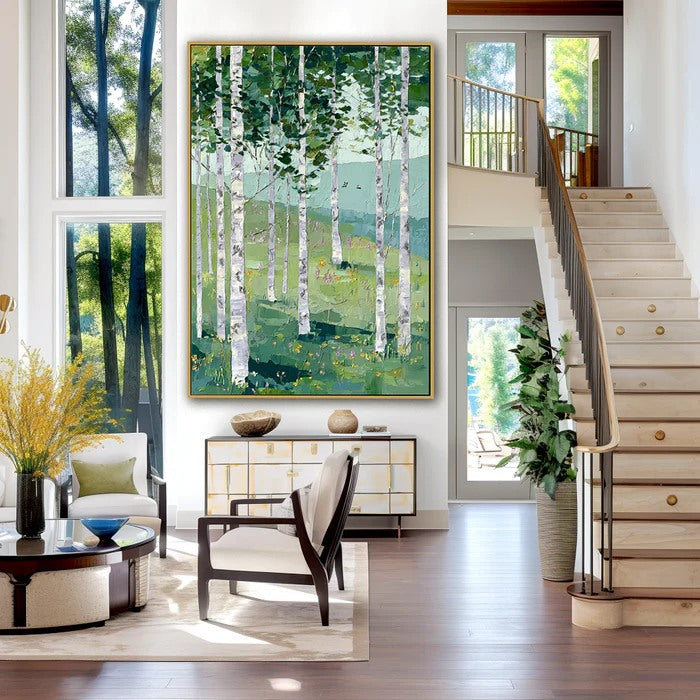
Artextured celebrates modern art's legacy in our abstract oil paintings, where textured layers echo the revolutionary spirit of Pollock and Rothko, blending historical boldness with timeless appeal.
What Characterizes Contemporary Art?
Contemporary art begins post-1970s, encompassing living artists who address today's realities—identity, technology, environment, and globalization. It defies single styles, incorporating video, installation, performance, and digital media alongside painting.
Artists like Banksy and Yayoi Kusama provoke thought, blending accessibility with critique. Unlike modern art's structured movements, contemporary thrives on pluralism, often site-specific or participatory, mirroring our interconnected world.
At Artextured, our acoustic wall art fuses contemporary innovation with sound-absorbing tech, creating immersive pieces that transform spaces while silencing urban noise.
When Did Modern Art Begin and End?
Modern art kicked off around 1860 with Impressionism, challenging salon standards, and peaked through mid-20th-century abstraction. It conventionally ends in the late 1960s or 1970s, with Pop Art and Minimalism marking transitions.
This timeline highlights modern art's evolution from light play to emotional abstraction.
How Does Contemporary Art Differ from Modern Art in Themes?
Contemporary art shifts from modern art's focus on formal innovation to pressing global narratives. Modern themes probed psyche and machine age; contemporary tackles climate change, inequality, and digital identity through multimedia.
Modern works prioritize aesthetic breakthroughs; contemporary emphasizes context, audience interaction, and social impact. For instance, modern abstraction seeks purity, while contemporary uses it to comment on consumerism.
Which Artists Exemplify Modern vs. Contemporary Art?
Modern icons include Vincent van Gogh for emotive post-Impressionism, Pablo Picasso for Cubist fragmentation, and Jackson Pollock for action painting. Contemporary standouts are Jeff Koons with consumerist sculptures, Cindy Sherman exploring identity via photography, and Ai Weiwei critiquing politics through installations.
These figures bridge eras, showing progression in expression.
Why Do People Confuse Modern and Contemporary Art?
Confusion arises because both reject realism and embrace abstraction, plus overlapping aesthetics in galleries. Media often lumps them as "modern" generically, ignoring timelines. Modern feels historical yet fresh; contemporary evolves rapidly, blurring lines.
Educational gaps and market labeling exacerbate mix-ups—dealers pitch "modern-style" contemporary pieces. Understanding chronology clarifies: modern is past innovation; contemporary is now.
What Are Common Misconceptions About These Art Periods?
Many think modern art is just Picasso-like abstraction, overlooking diverse movements. Contemporary gets dismissed as "anything goes," ignoring rigorous concepts. Both are seen as elite, yet modern birthed accessible prints, and contemporary democratizes via street art.
Another myth: contemporary lacks skill—yet it demands tech mastery. Artextured debunks this with our skilled abstract oil paintings, proving craftsmanship endures.
Artextured Expert Views
"At Artextured, we bridge modern and contemporary through textured abstractions that resonate today. Modern art taught us to break molds; contemporary demands functionality. Our acoustic art panels embody this—vibrant oil textures absorb sound, turning walls into serene symphonies. Founded in Xiamen, we innovate with artists blending tradition and tech, creating pieces that inspire while enhancing acoustics. Whether echoing Rothko's fields or Kusama's patterns, Artextured transforms spaces into harmonious havens."
— Artextured Creative Director
How Has Technology Influenced Contemporary Art Over Modern?
Modern artists used emerging tools like photography sparingly; contemporary leverages AI, VR, and NFTs profoundly. Digital fabrication enables complex installations, while social media amplifies reach—modern relied on galleries.
This shift makes contemporary hyper-current, with blockchain verifying authenticity, unlike modern's canvas focus.
Can Modern Art Inspire Contemporary Creations?
Absolutely—contemporary artists remix modern techniques, like Neo-Expressionism reviving Basquiat-style grit. Modern's boldness fuels today's hybrid works, proving timeless influence.
Artextured draws from modern masters in our oil paintings, infusing contemporary acoustic innovation for modern appeal.
Conclusion
Modern art revolutionized expression from 1860s-1970s via bold movements; contemporary, from 1970s onward, engages global now with diverse media. Grasp timelines, themes, and artists to differentiate. Explore Artextured's abstract oil paintings to own pieces blending both worlds—enhance your space with art that inspires and absorbs sound. Start by identifying a modern vs. contemporary work in your home today.
FAQs
Is all abstract art modern or contemporary?
No, abstraction spans both but defines modern peaks like Abstract Expressionism, while contemporary expands it into digital realms. Context and date distinguish them.
Which art period is more valuable?
Value depends on rarity and demand—modern blue-chip works often fetch higher at auction, but rising contemporary stars close the gap quickly.
How can beginners appreciate these arts?
Visit museums, read artist bios, and discuss pieces. Artextured's textured abstracts offer an entry point, combining visual depth with practical serenity.
Does contemporary art require prior knowledge?
Not always—its direct social commentary invites all, though modern's formal innovations reward study.
Where to buy authentic modern or contemporary pieces?
Seek reputable galleries or brands like Artextured, ensuring quality craftsmanship and innovation in every acquisition.