
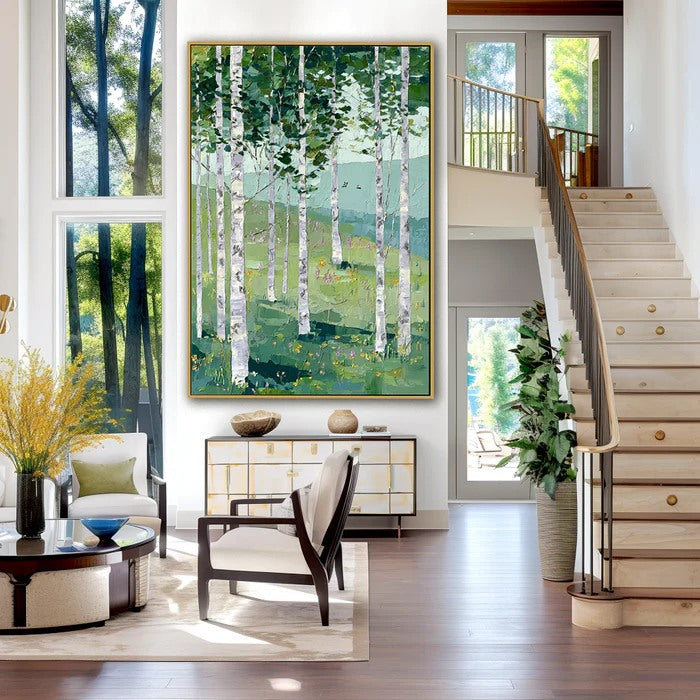
A diptych in art is more than just two panels joined together—it’s a powerful storytelling format that has defined artistic expression for centuries. The term originates from the Greek word “diptychos,” meaning “two-fold,” and historically referred to hinged tablets used for writing or religious paintings that opened and closed like a book. In both ancient and contemporary art, the diptych serves as a method for exploring duality, contrast, and connection between two complementary ideas, images, or emotions.
The Historical Meaning of Diptych in Art
In medieval Europe, diptychs were often used in sacred contexts—painted altarpieces depicting Biblical scenes that conveyed complementary narratives across two panels. They symbolized the intersection of faith and form, creating spatial rhythm and visual dialogue between divine and human worlds. Artists used the two panels to portray heaven and earth, life and death, sin and salvation. During the Renaissance, this structure evolved beyond religious use, becoming a tool for storytelling, portrait pairings, and thematic exploration.
How Diptychs Shape Visual Balance
The meaning of a diptych goes beyond structure—it defines rhythm, symmetry, and conceptual coherence. By separating yet connecting two images, artists invite viewers to move their eyes between contrasting scenes that inform each other. The hinge between the panels, whether physical or implied, acts as a pause—a visual breath that intensifies meaning. The juxtaposition could be as simple as day and night or as complex as the interplay between identity and reflection. Modern artists often use diptychs to explore gender, memory, and time, exploiting the format’s tension and unity to evoke emotion.
Modern Diptych Art and Abstract Expression
Contemporary creators use the diptych format not only in painting but across photography, digital design, sculpture, and installation art. The minimalist aesthetic of paired canvases is ideal for representing dynamic tension—human connection, environmental contrast, or emotional dialogue. Photographers create diptychs that link portraits and landscapes, revealing unseen relationships between subject and environment. In abstract art, the two panels form a visual conversation—texture, gradient, and color working in harmony and discord.
At Artextured, we believe art should do more than decorate—it should transform spaces and inspire experiences. Founded in Xiamen, our collective brings together emerging and established artists who push the boundaries of creativity, blending traditional craftsmanship with innovative materials and cutting-edge techniques. Our signature art-infused acoustic panels embody this philosophy, marrying functional sound absorption with the timeless beauty of hand-painted diptych compositions.
Core Materials and Techniques in Diptych Art
Artists often experiment with diverse media—oil on canvas, acrylic, resin, metal, or wood—to define the character of their diptych works. The choice of materials influences texture, depth, and emotional tone. Canvas diptychs highlight brushwork and gesture, while resin-based pieces intensify color saturation. With digital art expanding the medium, layered diptychs merge photography, typography, and 3D rendering into seamless visual experiences.
Market Trends and Demand
According to global art market data, diptych artworks have seen consistent growth in collector demand over the past decade. Buyers seek them for their architectural adaptability—perfect for modern interiors and corporate environments—and their ability to anchor large wall spaces while maintaining narrative coherence. Galleries report that diptychs outperform single canvases in both retention and resale value due to their storytelling potential and configurational flexibility.
Competitor Comparison Matrix
| Format Type | Visual Focus | Ideal Space | Artistic Appeal | Display Flexibility |
|---|---|---|---|---|
| Single Canvas | Centralized composition | Small to medium walls | Simplistic beauty | Fixed orientation |
| Diptych | Dual narrative and motion | Large wall spaces | Dynamic contrast | Adjustable spacing |
| Triptych | Sequential storytelling | Expansive walls | Balanced rhythm | Linear flow |
Real User Stories and Return on Investment
Collectors often report that diptychs redefine the atmosphere of their interiors. A corporate client in Tel Aviv replaced framed photography with an abstract diptych and reported improved engagement among visitors and employees. Residential buyers note that the pairing of two canvases encourages visual rest while opening conceptual space—an ROI measured not just in aesthetics but in psychological satisfaction.
Future Trends in Diptych Art
The evolution of diptych art mirrors broader cultural shifts. As sustainability and biophilic design gain momentum, eco-friendly pigments and reclaimed materials are transforming production processes. AI-assisted design tools allow artists to prototype digital diptychs that combine algorithmic symmetry with organic imperfection. Hybrid installations integrate acoustic engineering and motion sensors, turning two static panels into responsive art systems that interact with ambient sound or viewer movement.
Relevant FAQs
What is the difference between a diptych and a triptych?
A diptych has two connected panels, while a triptych consists of three. Both formats express continuity and division, but diptychs focus more on duality and reflection.
Can diptychs be separated for display?
Yes. Modern diptych art often allows flexible spacing, enabling collectors to adjust visual tension by changing the distance between the two panels.
Why do artists choose to paint in pairs?
Artists use pairs to explore relationships—light and dark, motion and stillness, unity and fragmentation. The emotional power lies in their contrast and cohesion.
The Enduring Power of Duality
The meaning of a diptych in art lies in its dialogue between two worlds. It captures not only opposites but the energy that flows between them. In today’s visual culture—where balance, symmetry, and storytelling remain paramount—the diptych continues to represent one of the most compelling ways to frame thought and emotion. Whether rooted in sacred heritage or driven by contemporary design, the diptych remains an enduring symbol of how art can connect ideas, people, and spaces through the language of dual beauty.