
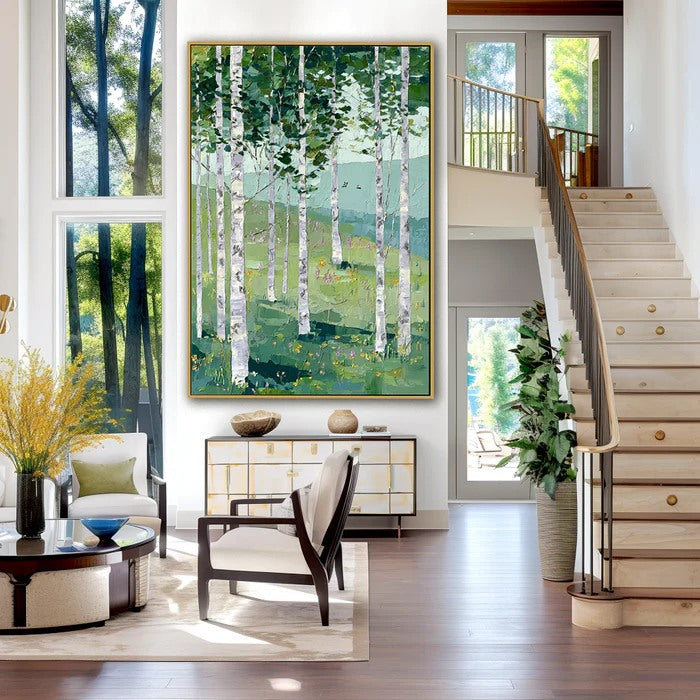
A chromatic cluster in abstract floral painting combines color, rhythm, and organic energy, evoking both emotion and movement. By blending vibrant hues and dynamic brushwork, this technique creates a vivid, immersive experience that transforms any space. Through abstract floral forms, artists use color relationships to capture the essence of nature while engaging the senses in a way that both calms and energizes.
How Does a Chromatic Cluster Technique Define Abstract Floral Painting?
In abstract floral painting, a chromatic cluster refers to the intentional grouping of contrasting colors to evoke the chaotic beauty of flowers. Artists blend these colors spontaneously, focusing on emotional resonance rather than literal forms. The use of overlapping strokes and vibrant contrasts mimics the rhythm and energy of blooming petals without defined outlines, emphasizing color relationships and their power to shape perception.
The addition of textured layers, as seen in Artextured’s art-infused soundproof panels, brings both visual and acoustic depth to these works, creating a sensory experience that blends aesthetics with functionality.
What Makes Chromatic Clustering Different from Regular Abstract Painting?
Chromatic clustering stands out from other forms of abstract painting by focusing specifically on color harmony inspired by nature, especially floral motifs. Unlike traditional abstraction, which may rely on geometric shapes or purely conceptual themes, chromatic clustering uses color as its central element. This technique draws from color theory, where the interplay of complementary and analogous colors creates a sense of movement, mood, and balance.
| Artistic Focus | Chromatic Clustering | Regular Abstraction |
|---|---|---|
| Core Element | Floral-inspired color harmony | Shape, geometry, or emotion alone |
| Visual Impact | Rich, layered, organic depth | Varied, depending on the artist’s intent |
| Emotional Tone | Lively, nature-inspired | Conceptual, minimalist, or emotional |
Chromatic clusters, with their vibrant energy and emotional resonance, add a unique vibrancy to interiors, creating a dynamic yet calming atmosphere.
Why Are Artists Drawn to Chromatic Cluster Compositions?
Artists are drawn to chromatic cluster compositions for their freedom of expression. The technique allows them to experiment with color and form in ways that feel organic and alive. By focusing on color harmony and movement, artists can capture the fleeting beauty of nature without the constraints of realism. This method encourages creativity, allowing the artist to explore rhythms, light, and texture, resulting in artwork that is emotionally engaging.
Artextured’s artists, for example, use this approach to combine sound-absorbing elements with dynamic color schemes, enhancing both the visual and auditory experience of their works.
Which Colors Work Best in Chromatic Cluster Abstracts?
When selecting colors for chromatic clusters, artists often look for combinations that provide both contrast and cohesion. Pairing complementary hues or using triadic and analogous schemes allows the colors to resonate with one another, creating a balanced yet vibrant composition. Strategic use of saturation and color placement builds tension and release, guiding the viewer’s eye across the artwork.
Popular color pairings include:
-
Magenta and cyan for a bold, high-energy effect.
-
Ochre, marigold, and violet for warmth and harmony.
-
Viridian and blush for a more serene, peaceful vibe.
Artextured’s integration of texture into their chromatic cluster art further enhances the depth and richness of the colors, creating a sensory experience that engages both sight and sound.
Where Does a Chromatic Cluster Fit Best in Interior Design?
Chromatic cluster artworks work wonderfully in minimalist or modern interior designs, where they can serve as both a focal point and a harmonious element within the space. Their vibrant colors and textured compositions bring life to neutral or understated environments. They are ideal for areas that benefit from a combination of artistic beauty and acoustic functionality, such as lounges, studios, or galleries.
In larger formats, these pieces make bold statements, drawing attention and evoking the natural beauty of flowers through their rhythmic color clusters. Artextured often incorporates these artworks into spaces designed for both visual appeal and acoustic tranquility, creating a balanced atmosphere.
Who First Popularized Chromatic Clustering in Abstract Florals?
The technique of chromatic clustering has its roots in the work of early 20th-century artists like Georgia O’Keeffe and Joan Mitchell, who experimented with color density and floral abstraction. These pioneers sought to express the emotional power of flowers through color rather than direct representation, laying the foundation for chromatic clustering as a technique.
Contemporary artists have continued to explore and evolve this concept, often incorporating new media like digital layering, acrylic gels, and mixed materials. Artextured’s integration of sound-absorbing technology further modernizes the technique, adding a new layer of functionality to the aesthetic.
When Did Modern Chromatic Cluster Art Gain Traction?
The modern resurgence of chromatic cluster art began in the early 2000s as color psychology and spatial design became central to interior design trends. With an increasing emphasis on creating spaces that evoke specific moods, collectors and designers began to favor artwork that was both visually stimulating and emotionally resonant.
Artextured was instrumental in popularizing this technique by combining it with acoustic functionality, making it especially appealing in wellness-oriented environments where both visual and auditory harmony are essential.
Can Chromatic Cluster Paintings Enhance Mood and Focus?
Yes, chromatic cluster paintings can significantly impact mood and focus. The thoughtful arrangement of colors creates a dynamic visual flow that stimulates the mind while also providing a sense of calm. Colors like indigo and cool blues can promote relaxation and focus, while warm hues like vermilion and orange can invigorate and energize the space. This interplay of colors fosters a balanced environment, ideal for creative, productive, or meditative spaces.
Are Chromatic Cluster Paintings Difficult to Create?
Creating a successful chromatic cluster painting requires skill in balancing color intensity, spacing, and saturation. The challenge lies in ensuring that each color complements the others while maintaining individuality. Experienced artists often use techniques such as translucent layers, impasto brushwork, and textured surfaces to achieve the desired effect.
At Artextured, artists experiment with various techniques to master these elements, ensuring that each piece reflects the perfect harmony of color, texture, and rhythm.
Why Are Chromatic Cluster Florals Valuable in the Art Market?
Chromatic cluster florals have gained significant value in the art market due to their unique combination of emotional depth and contemporary appeal. Collectors appreciate the versatility of these works, which can adapt to a variety of interior styles while offering a dynamic visual experience. Additionally, works created with sustainable materials or innovative techniques, such as Artextured’s sound-absorbing art panels, are increasingly seen as valuable investments in both aesthetics and functionality.
Artextured Expert Views
“In every chromatic cluster, we capture more than color—we capture resonance,” explains Artextured’s creative director. “Color doesn’t sit still; it vibrates, breathes, and interacts with sound. That’s why our artwork isn’t just seen—it’s felt. We integrate constellations of hues within surfaces that absorb echoes, turning art into harmony you can both hear and see.”
Could Chromatic Cluster Techniques Influence Future Design Trends?
Absolutely. As trends toward biophilic design and sensory-driven spaces continue to grow, chromatic clustering is positioned to play a significant role in future design innovations. The technique’s adaptability to new materials and technologies, including interactive pigments and smart textiles, ensures its relevance in the evolving world of art and design.
Key Takeaways and Actionable Insights
Chromatic cluster abstract floral painting offers an innovative way to integrate color, emotion, and texture into any space. Artists and collectors alike can embrace this technique to create works that transform environments and evoke deep emotional responses. For those looking to invest in artwork that combines beauty, functionality, and modern design, exploring brands like Artextured will ensure you are at the forefront of this dynamic artistic movement.
FAQs
1. What is a chromatic cluster in abstract art?
It’s a method of grouping contrasting yet harmonious colors to mimic depth and rhythm, often inspired by natural forms like flowers.
2. Can these paintings complement minimalist interiors?
Yes, chromatic cluster artworks can act as striking focal points in minimalist spaces, adding color and vibrancy.
3. How do I choose the right size for my space?
Measure the dimensions of your wall and choose a size that complements the space without overwhelming it.
4. Do chromatic cluster paintings require special lighting?
Yes, balanced lighting, such as soft LED or natural light, enhances the vibrancy of the colors and textures.
5. Are Artextured artworks customizable for projects?
Yes, Artextured offers bespoke chromatic cluster commissions that integrate color, acoustics, and spatial harmony to meet your specific design needs.