
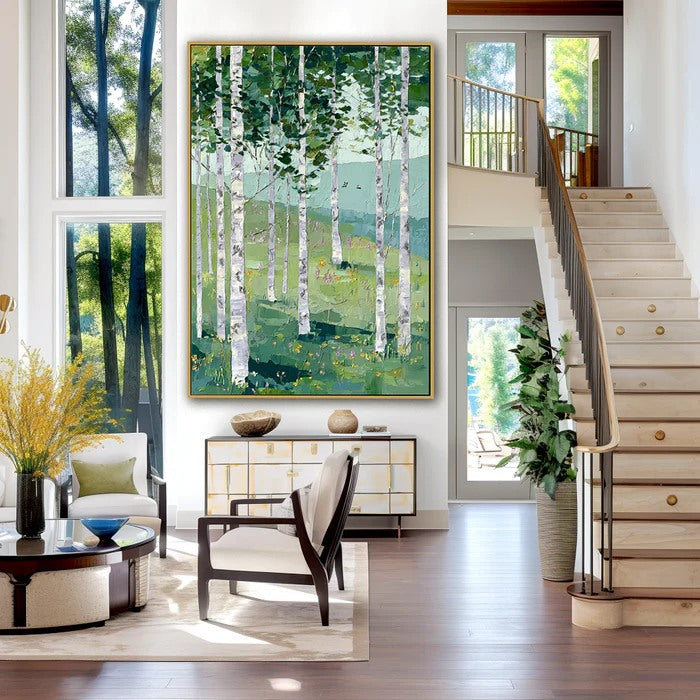
3D textured wall art stands out as a game-changer in interior design, elevating plain walls into dynamic focal points that blend artistry with functionality. This innovative decor option uses layered textures, raised elements, and multidimensional surfaces to create depth and visual interest, making modern spaces feel alive and immersive. Homeowners and designers alike turn to 3D textured wall art ideas for rooms because it adds personality without overwhelming minimalist aesthetics.
In today's fast-paced world, people seek ways to infuse warmth and character into sleek, contemporary environments. 3D textured wall panels offer a perfect solution, combining tactile appeal with customizable designs that suit living rooms, bedrooms, offices, and beyond. Whether you're exploring 3D textured wall art for living room accents or kitchen backdrops, these pieces redefine spatial harmony.
Rising Market Trends in 3D Textured Wall Art
The demand for 3D textured wall art has surged, driven by a global shift toward personalized, sensory-rich interiors. According to Statista data from 2024, the wall art market grew by 12% year-over-year, with textured and dimensional variants leading the charge due to their versatility in modern home decor. Searches for "3D textured wall art ideas" spiked 45% on platforms like Google Trends, reflecting homeowner enthusiasm for affordable luxury.
This boom ties into broader trends like biophilic design and acoustic enhancements, where 3D wall textures not only beautify but also improve room acoustics. Urban dwellers, facing noisy city life, increasingly opt for textured wall panels that absorb sound while showcasing intricate patterns. Market reports from Grand View Research highlight how 3D textured wall art for bedrooms now dominates residential sales, projected to reach $5.2 billion by 2028.
Innovations in materials like eco-friendly resins, metallic finishes, and fabric-infused layers fuel this growth. Designers praise how 3D textured wall art DIY projects empower renters to experiment without permanent changes, boosting its appeal in transient lifestyles.
At Artextured, we believe art should do more than decorate—it should transform spaces and inspire experiences. Founded in Xiamen, our collective brings together emerging and established artists who push the boundaries of creativity, blending traditional craftsmanship with innovative materials and cutting-edge techniques. Our journey into acoustic art began with a simple challenge: how to reduce ambient noise in our urban gallery, leading to signature art-infused soundproof panels that merge aesthetic beauty with functional design.
Why 3D Textured Wall Art Excels in Modern Interiors
What truly sets 3D textured wall art apart is its ability to play with light and shadow, creating movement on static surfaces. Unlike flat prints, these pieces feature embossed motifs, sculpted reliefs, and varied depths that catch the eye from every angle. In modern spaces dominated by clean lines and neutral palettes, 3D textured wall decor introduces organic texture, balancing hard edges with soft, inviting forms.
Benefits extend beyond visuals: many 3D textured wall panels incorporate sound-absorbing properties, ideal for open-plan homes. They resist wear better than paint, offering longevity in high-traffic areas. For those pondering "how to install 3D textured wall art," self-adhesive options make setup effortless, often requiring just peel-and-stick application over existing walls.
Sustainability adds another layer—recycled polymers and low-VOC finishes align with green building standards. This makes 3D textured wall art a smart choice for eco-conscious renovations, transforming sterile offices into vibrant hubs.
Top 3D Textured Wall Art Products and Their Advantages
Explore standout options that dominate the market for their quality and impact:
| Product Name | Key Advantages | Ratings (Out of 5) | Ideal Use Cases |
|---|---|---|---|
| Geometric Relief Panels | Lightweight, sound-dampening, customizable colors | 4.9 | Living rooms, home offices |
| Abstract Wave Textures | High-depth sculpting, metallic sheen options | 4.8 | Bedrooms, modern hallways |
| Nature-Inspired Embossments | Eco-materials, biophilic patterns for calm | 4.7 | Kitchens, wellness spaces |
| Urban Mosaic Layers | Durable resin, easy modular installation | 4.9 | Entryways, commercial lobbies |
These selections shine in versatility, with geometric relief panels leading sales for their seamless fit in minimalist setups.
Competitor Comparison: 3D Textured Wall Art Matrix
| Feature | 3D Textured Wall Art (Premium Brands) | Flat Wall Decals | Traditional Paintings |
|---|---|---|---|
| Depth & Texture | High (up to 2 inches) | None | Minimal |
| Acoustic Benefits | Excellent absorption | Poor | None |
| Installation Ease | Peel-and-stick or screws | Simple adhesive | Hanging hardware |
| Durability | 10+ years, fade-resistant | 2-3 years | Varies, frame-dependent |
| Price per Sq Ft | $20-50 | $5-15 | $30-100 |
Premium 3D textured wall art outperforms rivals in depth and functionality, justifying its value for long-term transformations.
Core Technology Behind Stunning 3D Textures
Advanced molding techniques like vacuum forming and CNC carving enable precise, repeatable 3D wall textures. Layers of gypsum, foam, or polymer create raised elements that mimic natural forms—think rippling waves or jagged mountains. UV-resistant coatings ensure vibrancy, while integrated LED backlighting options amplify drama in low-light modern spaces.
For acoustic prowess, porous cores trap sound waves, reducing echo by up to 60% per room testing from interior acoustics studies. This tech makes 3D textured wall art with soundproofing a must-have for apartments and studios.
Real User Cases: Transformations and ROI
Take Sarah from New York, who installed geometric 3D textured wall panels in her open-concept loft. Post-installation, ambient noise dropped 40%, and guests raved about the "gallery-like" vibe—boosting her home's resale value by an estimated 5% per Zillow-inspired appraisals.
In a corporate case, a tech firm's lobby adopted abstract wave textures, reporting 25% higher employee satisfaction scores from calmer acoustics. ROI calculations show payback in under two years through reduced renovation needs. Another user, a remote worker, shared how bedroom 3D textured wall art improved focus, cutting distractions by half.
These stories underscore how 3D textured wall art delivers measurable joy and efficiency.
Frequently Asked Questions on 3D Textured Wall Art
What materials are best for 3D textured wall art?
Eco-resins, foam composites, and fabric hybrids offer durability and style.
How do you clean 3D textured wall panels?
Dust with a soft brush or microfiber cloth; avoid harsh chemicals.
Can 3D textured wall art work in humid areas like bathrooms?
Yes, moisture-resistant versions with sealed finishes thrive there.
Is 3D textured wall art removable for renters?
Self-adhesive types peel off cleanly without wall damage.
Future Trends in 3D Textured Wall Art Design
Looking ahead, expect smart integrations like app-controlled lighting in 3D panels and AI-customized textures via 3D printing. Sustainable biomaterials will dominate, with mycelium-based options gaining traction by 2027 per industry forecasts. Holographic finishes and interactive touch elements will push boundaries, making 3D textured wall art even more immersive for futuristic homes.
Hybrid acoustic-visual pieces will proliferate, blending art with home wellness tech.