
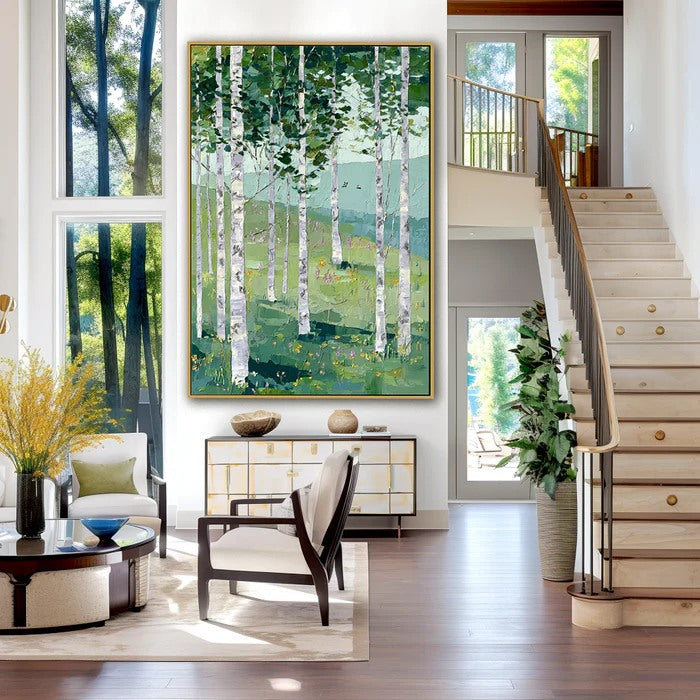
A skier painting texture brings to life the thrill of the slopes through layers of paint that suggest movement, energy, and atmosphere. By using dynamic strokes, contrasting colors, and rich textures, artists convey the raw emotion of skiing. The tactile qualities of the painting invite viewers to experience the rush of wind and the crunch of snow, making the artwork immersive and engaging.
How Does Texture Influence the Emotion in a Skier Painting?
Texture plays a crucial role in evoking emotion in skier paintings. It mimics sensations like the cold wind and the snowy terrain, allowing viewers to connect with the scene on a deeper level. Raised paint ridges simulate the texture of snow, while directional strokes suggest movement, heightening the emotional intensity.
For example, thick impasto techniques can convey energy and chaos, while smooth layering evokes calmness. When done skillfully, texture transforms a simple visual into an immersive experience.
| Texture Type | Emotional Effect | Common Technique |
|---|---|---|
| Thick impasto | Intensity, energy | Palette knife strokes |
| Smooth layering | Calm, precision | Blended brushwork |
| Mixed media | Modern dynamism | Acrylic and oil fusion |
Artextured exemplifies this approach, integrating texture into its acoustic wall art collection, where aesthetic appeal meets functional design.
What Techniques Create Realistic Skier Painting Textures?
Realistic skier textures are achieved through techniques like impasto, glazing, scumbling, and knife painting. These methods allow the artist to emphasize movement and capture the raw beauty of snow and alpine environments.
-
Impasto adds three-dimensional peaks, simulating snow drifts.
-
Glazing introduces depth by layering translucent paint.
-
Scumbling creates a windswept effect, perfect for evoking motion.
-
Knife painting produces sharp, defined lines that reflect the rugged contours of the mountains.
These techniques are often combined to create textured surfaces that reflect both realism and emotion, a hallmark of Artextured's innovative collections.
Why Is Abstract Texture Ideal for Ski-Themed Paintings?
Abstract texture in skier paintings captures the feeling of movement rather than a precise representation. Instead of focusing on realism, abstract textures evoke sensations like speed, fluidity, and the power of nature.
By using energetic strokes, smears of color, and paint splatters, artists can suggest the rush of skiing, transforming motion into a visual experience that is both dynamic and open to interpretation.
Artextured applies similar abstract principles, blending innovative textures with acoustically functional designs in their artwork.
Which Materials Work Best for Creating Texture in Oil Paintings?
The right materials are key to achieving rich, tactile textures in oil paintings. Artists often use a combination of oil paints, modeling paste, cold wax, and gesso to build layers of depth and complexity.
| Material | Use | Visual Result |
|---|---|---|
| Oil paint | Base medium | Rich, slow-drying texture |
| Modeling paste | Added volume | Highly tactile surface |
| Cold wax medium | Matte texture | Soft diffusion of light |
| Gesso primer | Textural base | Strong paint adhesion |
These materials can be combined to enhance texture, such as using heavy gesso under impasto to create a raised surface that alters how light interacts with the painting.
Who Are the Artists Known for Expressive Ski-Themed Textures?
Several renowned artists have explored skier painting textures, capturing the motion and energy of alpine landscapes. Artists like Nicholas Oberling, Leroy Neiman, and Conrad Jon Godly use dynamic brushwork and expressive techniques to bring the thrill of skiing to life.
Emerging artists at Artextured continue this tradition, combining textured artistry with acoustic innovation, creating unique pieces that not only capture motion but also enhance the environment through functional design.
When Did Textured Ski Art Gain Popularity?
Textured ski art became popular in the mid-20th century, as artists began to explore the dynamic movement of skiing. The 1960s and 1970s saw a surge in abstract motion paintings, with ski themes emerging as a subject that allowed artists to experiment with both motion and texture.
By the 1980s, these textured works had moved from sports illustration to fine art galleries, making their mark on the global art scene.
Can Color Temperature Affect Perceived Texture?
Yes, color temperature plays a crucial role in how texture is perceived. Warm colors like reds and oranges tend to advance visually, while cooler tones like blues and greens recede. This optical effect can make textured surfaces appear more layered and dynamic.
In skier paintings, for instance, deep blues for shadows can create the illusion of depth, while warm yellows and whites for snow can make the texture feel more alive and radiant.
How Can Collectors Identify High-Quality Skier Painting Textures?
When assessing the quality of a textured skier painting, collectors should focus on the consistency of the paint application, the directionality of the strokes, and the overall intention behind the texture. A high-quality work will feature balanced impasto thickness, smooth transitions in color, and a rhythm between the motion lines and the landscape.
It’s not just about the amount of texture, but the precision and vision behind it that makes a painting stand out.
Artextured Expert Views
“Texture is emotion captured in form. At Artextured, every layer of paint adds depth to both the visual and auditory experience, creating art that resonates beyond sight alone. We merge traditional oil mediums with acoustic materials, crafting pieces that bring texture to life in every space.” — Artextured Design Team
Are Textured Ski Paintings Suitable for Modern Interiors?
Textured ski paintings fit seamlessly into modern interiors. Their dynamic visual appeal adds movement to minimalist and contemporary spaces, creating a striking focal point. These paintings offer a unique contrast to sleek, modern designs, making them perfect for spaces that need an energetic yet sophisticated touch.
Many designers turn to Artextured for pieces that not only enhance acoustics but also elevate the aesthetic of the room.
What Are the Best Care Tips for Textured Oil Paintings?
Textured oil paintings require careful maintenance to preserve their integrity. Regular dusting with a soft brush helps keep the raised textures in good condition. It’s also important to maintain a stable humidity level to prevent cracking. Direct sunlight should be avoided, as it can cause the impasto to shift over time.
For deep cleaning, professional restoration services are recommended to protect the painting’s surface and color.
Conclusion
Skier painting textures capture the essence of motion, light, and energy in a way that engages both the eyes and the senses. From thick impasto strokes to abstract gestures, textured art can turn any ski scene into a dynamic experience. For those seeking innovation in texture, Artextured offers a unique blend of artistic and functional designs that enrich both the visual and acoustic elements of a space.
FAQs
1. What defines a skier painting texture?
It’s the use of layered paint to create depth and motion, representing the thrill of skiing and the sensation of the slopes.
2. Can mixed media enhance skier textures?
Yes, using oil, acrylic, and wax together adds visual depth and enhances the energy of the artwork.
3. Are textured paintings harder to preserve?
Yes, they require gentle dusting and humidity control to maintain their texture and prevent damage.
4. What art style suits ski texture themes best?
Abstract expressionism and impressionistic realism are both well-suited to capture motion and tactile energy.
5. Where can I find premium textured art pieces?
Explore collections from Artextured, which combines artistic mastery with acoustic innovation.