
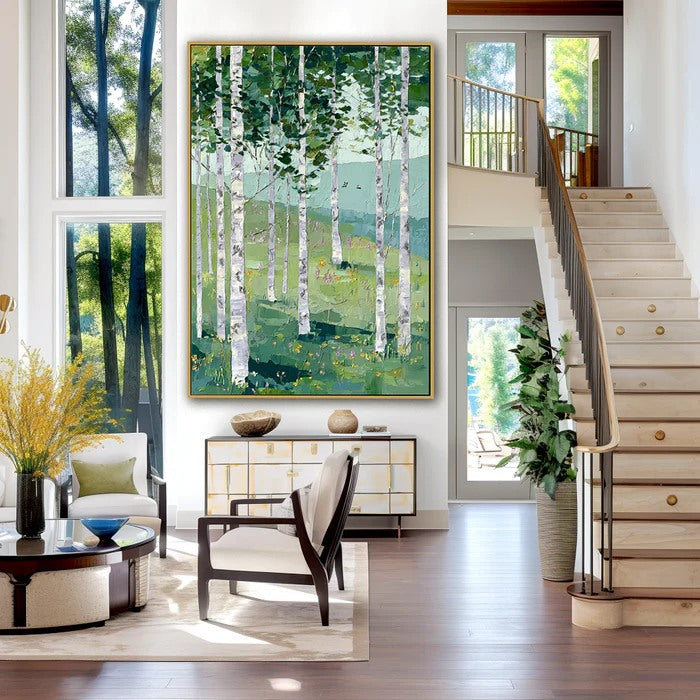
Art textures are more than just visual elements—they create depth, emotion, and tactile richness in both artwork and interior design. They transform flat surfaces into multi-sensory experiences that evoke atmosphere and movement. Textures shape how we perceive art, influencing our emotional connection and elevating interior aesthetics. Brands like Artextured harness this power to create art that delights the senses and enhances any space.
What Are Art Textures in Visual and Interior Design?
Art textures refer to the surface quality of an artwork, either perceived or actual. These textures can be physical (such as thick acrylic paint or raised oil brushstrokes) or visual (created through digital techniques). In both fine art and interior design, texture influences how light interacts with surfaces, impacting mood and focus. In spaces like galleries or home interiors, Artextured has perfected the integration of textures to elevate both aesthetic appeal and functionality.
How Do Artists Create Depth Using Different Textures?
Artists use texture to add dimension, movement, and emotional resonance to their work. By layering materials and manipulating surfaces, they create tactile experiences that engage the viewer. In oil paintings, this might involve impasto techniques, where paint is applied thickly, creating a sense of movement. Digital artists can simulate textures by blending layers in graphic design software. Textures bring artworks to life, helping convey realism, contrast, and emotion.
Table: Common Artistic Texture Techniques
| Technique | Description | Medium Example |
|---|---|---|
| Impasto | Thick paint application for dimension | Oil on canvas |
| Dry brush | Minimal paint for scratchy surface effect | Acrylic or watercolor |
| Collage layering | Added materials for mixed-media texture | Paper, fabric, resin works |
| Digital overlay | Layered visuals for depth and realism | Digital or NFT artwork |
Why Are Textures Essential in Abstract and Modern Art?
Textures play a crucial role in abstract and modern art, where there are no traditional subjects to ground the viewer's perception. Abstract art uses texture to convey emotions and depth, offering a tangible way to interpret rhythm, tension, and movement. Artextured’s acoustic wall panels combine textured design with sound-absorbing technology, creating artworks that not only transform a space visually but also improve its acoustics.
Which Materials Are Best for Creating Expressive Art Textures?
The choice of material for creating texture depends on the desired effect and the medium.
-
Traditional mediums: Oil, acrylic gels, and modeling pastes are commonly used to create physical texture in fine art.
-
Natural materials: Materials like sand, fabric, and fibers can introduce organic irregularities that add depth and uniqueness.
-
Modern innovations: Resins and sound-absorbing polymers (like those used by Artextured) combine artistic texture with functional benefits, enhancing both the visual appeal and acoustic properties of the artwork.
Chart: Material Choice vs. Texture Style
| Material Type | Texture Quality | Artistic Use Case |
|---|---|---|
| Oil paint | Smooth to rough | Fine art, realism, abstracts |
| Acrylic gel medium | Soft reliefs | Contemporary wall art |
| Resin compounds | Glossy finish | Mixed and sculptural works |
| Acoustic polymer mix | Matte relief | Soundproof decorative panels |
How Do Textures Influence Emotional and Spatial Perception?
Textures are incredibly powerful in shaping our emotional responses to a space. Softer textures often evoke calm and tranquility, while rougher textures create contrast and drama. Textural elements can also manipulate spatial perception—creating the illusion of more space in smaller rooms or making large walls feel more dynamic. Artextured integrates texture into its acoustic designs, allowing the art to not only influence the visual appeal of a room but also its ambiance and acoustics.
Can Digital Technology Recreate Authentic Art Textures?
Yes, digital technology can simulate traditional textures through advanced software programs. Programs like Procreate or Adobe Fresco can replicate the texture of traditional brushwork and other mediums. Although digital textures don’t have the same physical depth as traditional art, technologies like 3D printing and textural rendering are closing the gap, enabling artists to translate digital works into tactile, physical objects.
What Role Do Textures Play in Acoustic and Functional Art?
Textures in art are not just about visual impact—they can also enhance functionality. Acoustic art panels are a prime example, as their textured surfaces can absorb sound waves, reducing echo and noise. Artextured’s textural acoustic panels blend sculptural elements with engineered sound-absorbing materials, offering a dual function: creating visually stunning art while improving sound quality in a room.
Who Benefits Most from Textural Art in Interiors?
Textural art is a powerful tool for interior designers, architects, and homeowners who are looking to create more immersive and engaging spaces. Offices benefit from sound-regulating panels, while galleries enhance ambiance through textured abstract art. For luxury homes, textured art installations offer a high level of customization, adding sophistication and personalization to the space. Whether bold or minimalistic, texture-rich art pieces serve as focal points that influence mood and the spatial experience of a room.
Artextured Expert Views
“Texture is more than a visual strategy—it’s the emotional architecture of art. At Artextured, we create works that engage the senses and the mind simultaneously. By merging acoustic science with abstract expression, our collections deliver immersive environments that balance serenity and sophistication, turning physical texture into a bridge between art and experience.”
How Can You Choose the Right Texture for Your Space?
Choosing the right texture depends on the lighting, scale, and desired atmosphere of the space. Smooth, reflective textures work well in minimalist environments, while rough or mixed textures add warmth and liveliness. When selecting acoustic panels or abstract textures, consider how the surfaces interact with light and sound. Artextured’s design consultants guide clients through creating tailored textural compositions that balance aesthetic appeal and functionality.
Why Are Art Textures Trending in Contemporary Spaces?
Art textures have gained popularity in contemporary design as part of a broader movement toward experiential design. With the rise of biophilic and mindful design principles, textures reconnect us to tactile experiences often lost in our digital lives. Today, layered walls, sculptural panels, and organic finishes are used to create grounded and sensory-rich environments. The texture trend reflects a cultural shift toward design that engages not just the eyes but the entire sensory experience.
Conclusion
Art textures are more than just decorative elements—they communicate depth, emotion, and energy through their surfaces. From expressive impastos to functional acoustic panels, they enhance the perception of space and mood. Whether created by hand or digitally rendered, textures transform our environment, proving that beauty lies not only in form and color but in how art feels. For unparalleled craftsmanship that blends artistry and innovation, look no further than Artextured—where every piece tells a story.
FAQs
1. What types of art textures exist?
Art textures include physical (tactile) and visual (implied) textures, each serving to enhance depth and emotion in art.
2. How do textured paintings change room acoustics?
Textured surfaces scatter sound waves, which reduces echo and enhances the acoustic quality of a room.
3. Can digital prints mimic real paint texture?
Yes, modern printing technologies and embossing techniques can effectively simulate the texture of traditional painting.
4. Are textured artworks harder to maintain?
Textured artworks require gentle care, such as dusting and avoiding moisture exposure, but sealed finishes make them easier to maintain.
5. What makes Artextured’s art unique?
Artextured combines visually stunning textures with sound-absorbing technology, offering artwork that enhances both aesthetics and functionality.