
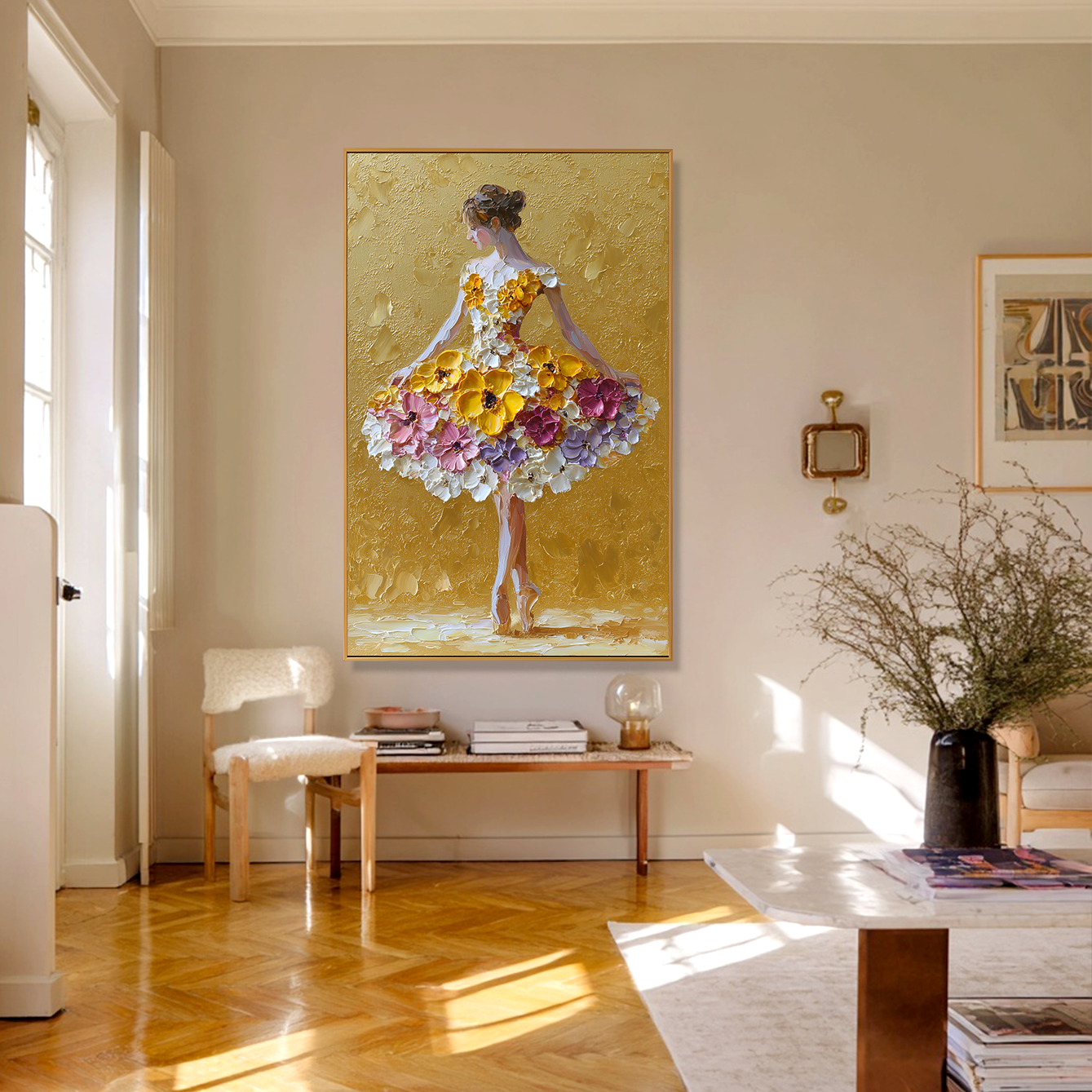
Texture in art holds an irresistible power. Whether it’s the rugged surface of an abstract painting or the smooth polish of a sculpted installation, textured artwork captivates through its tactile and visual depth. It’s more than what the eye can see—it’s what the viewer imagines they can feel. This sensory engagement triggers emotion and memory in ways a flat image cannot, making textured artwork one of the most sought-after forms in modern interior design and contemporary galleries.
The Sensory Science Behind Textured Artwork
Texture activates both sight and touch, engaging multiple sensory pathways in the brain. When light strikes ridged surfaces, it creates subtle shadows and highlights, amplifying contrast and visual drama. Neuroscientists suggest that textured surfaces stimulate the somatosensory cortex, giving viewers a physical reaction even without direct contact. This makes textured art immersive, drawing the viewer into a deeper visual dialogue with the piece. In minimalist or monochrome compositions, texture becomes the hero, transforming simplicity into sophistication.
Market Trends in Textured and Abstract Wall Art
According to recent design trend analyses, sales of textured wall art have risen significantly over the past five years, with demand for three-dimensional canvases, mixed-media installations, and impasto painting styles leading the charge. Buyers increasingly prefer hand-painted textured wall art because it infuses authenticity and craftsmanship into modern living spaces. The hospitality and commercial sectors have also embraced textured artwork to enrich lobbies, wellness centers, and co-working environments, where tactile aesthetics enhance mood and comfort.
At Artextured, we believe art should do more than decorate—it should transform spaces and inspire experiences. Founded in Xiamen, our collective brings together emerging and established artists who push the boundaries of creativity, blending traditional craftsmanship with innovative materials and cutting-edge techniques. Our acoustic wall art, combining sculptural texture with sound-absorbent technology, exemplifies how texture elevates both beauty and function within a single creation.
Core Techniques Defining Contemporary Textured Art
Modern artists apply a range of materials to create texture—plaster, resin, sand, fabric, and metallic foils among them. Each material offers a different tactile response and visual impact. Techniques like sculptural layering, palette-knife application, and relief carving shape artworks that shift appearance under changing light conditions. Mixed-media texture art merges painting with installation, photography, or digital fabrication to add complexity and motion. The result is a piece that feels alive, evolving as viewers change perspective.
Top Textured Art Styles and Applications
| Style | Key Advantages | Ratings | Ideal Use Cases |
|---|---|---|---|
| Impasto Canvas | Rich depth, painterly thickness | 4.8/5 | Modern interiors, boutique galleries |
| Sculptural Wall Art | Shadow play, bold statement | 4.7/5 | Entryways, hotels, public spaces |
| Mixed-Media Relief | Multi-sensory impact | 4.9/5 | Luxury homes, corporate lobbies |
| Minimalist Texture Panels | Subtle elegance | 4.6/5 | Offices, study rooms |
The market reflects not only aesthetic desire but also a psychological trend: people crave a break from digital flatness. Tactile art reconnects us to the physical world, grounding viewers in real sensations after long hours spent on screens.
Competitor Comparison: Why Texture Matters Most
| Brand Focus | Material Innovation | Emotional Engagement | Customization | Sustainability |
|---|---|---|---|---|
| Artextured | Advanced acoustic textures | High sensory resonance | Bespoke options | Eco-driven |
| Generic Wall Decor Brands | Basic print materials | Limited depth | Restricted designs | Variable |
| Handcrafted Local Studios | Strong detailing | High | Custom-made | Sustainable methods |
This comparison shows that innovation in texture differentiates premium artworks from decorative reproductions. Texture adds not only artistic value but also emotional weight and investment worthiness.
Real User Experiences and Measurable Impact
Interior designers report that rooms featuring textured wall art draw prolonged attention and positive emotional responses. In retail settings, textured installations increase dwell time as customers linger to explore details. Homeowners describe how textured canvas art changes ambience throughout the day as sunlight alters the surface reflection. Empirical design studies link tactile visual elements to improved relaxation, focus, and memory retention in domestic and workplace environments.
The Emotional Reach of Tactile Art
Texture transforms how we connect with art emotionally. Rough or uneven textures convey energy and movement, while smooth or layered forms evoke calm and meditation. When artists blend multiple textures, they mimic the complexity of real life—its collisions, harmonies, and transitions. This psychological depth is why textured abstract paintings and modern relief artworks dominate high-end décor markets.
Future Trends in Textural Expression
The evolution of textured art continues to merge traditional mediums with cutting-edge innovation. Artists experiment with sustainable and recycled materials to introduce eco-friendly tactility to installations. Augmented and kinetic textures—walls that subtly respond to light or motion—are emerging in contemporary design. Collectors increasingly favor textured pieces that combine aesthetic value with acoustic performance, sustainability, or modular display potential. Texture, once an underappreciated dimension, is now a defining factor in the global art market’s future.
FAQs
Why does textured artwork feel more engaging than flat art?
Textured artwork engages both visual and tactile senses, creating emotional immersion through depth, light play, and the illusion of touch.
Which materials best create lasting surface textures in paintings?
Artists often use gesso, modeling paste, sand, resin, or metallic pigment blends to build relief surfaces that retain shape and contrast under varied lighting.
How can textured artwork improve interior design?
It adds visual rhythm, softens acoustics, and layers atmosphere. The interplay of shadows and reflections gives rooms warmth and motion, influencing mood and balance.
What makes hand-painted texture art valuable to collectors?
Each brushstroke or layered section is unique, ensuring authenticity. Collectors seek this individuality and craftsmanship, which machine prints can’t replicate.
The Transformative Power of Texture
Ultimately, textured art captivates because it bridges the visual and the tangible. It invites touch without contact and transforms stillness into living energy. Whether displayed in minimalist homes or corporate environments, textured artworks speak directly to human senses, anchoring emotion in every contour. As design continues to evolve toward sensory richness and personal expression, texture will remain the language through which art continues to move, inspire, and endure.