
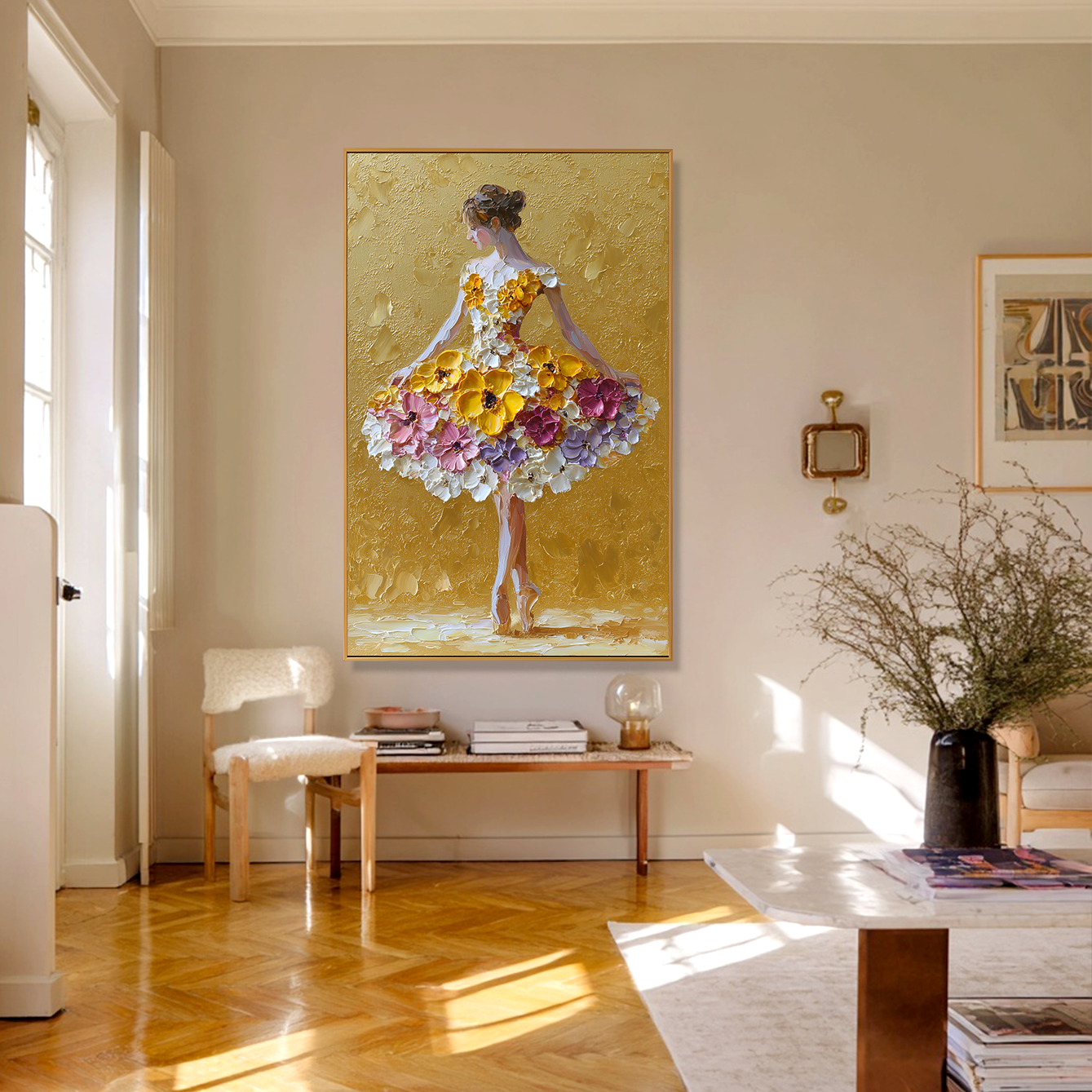
Dark abstract paintings captivate with their depth, emotion, and mystery. Using deep tones, layered textures, and contrasts, they invite introspection and stimulate a profound visual experience. These artworks challenge conventional perception, offering more than just decoration—they transform spaces by engaging viewers emotionally, making them perfect focal points in modern interiors. Whether minimalist or expressive, dark abstracts create a striking dialogue between shadow and light.
How Do Dark Abstract Paintings Evoke Emotion?
Dark abstract paintings evoke emotion through contrasts of light and shadow, as well as through the depth created by texture and color. The use of deep tones like black, indigo, and crimson promotes introspection, while layered brushwork suggests movement and complexity. These works often invite personal interpretation, transforming passive observation into an emotional experience. Rather than symbolizing negativity, darkness in abstract art represents emotional depth, tension, and mystery, making it perfect for modern spaces where it enhances the atmosphere.
What Elements Define a Dark Abstract Painting?
A dark abstract painting is characterized by a subdued color palette, nonrepresentational shapes, and textured layers. Artists often use techniques like thick impasto, scraping, or blending to create texture, making the painting appear to shift under different lighting. The balance of these elements—color, texture, composition, and contrast—creates visual tension that invites the viewer’s attention. In Artextured's collection, these elements come together to produce artworks that engage the viewer in a conversation of shadow and light.
| Core Element | Description | Artistic Function |
|---|---|---|
| Color Palette | Deep blacks, grays, and muted tones | Evokes mood, introspection, and depth |
| Texture | Thick brushwork or mixed media | Adds dimension and visual interest |
| Composition | Asymmetry and abstraction | Creates intrigue and engagement |
| Light & Contrast | Highlights vs. shadows | Directs focus and enhances drama |
Why Are Dark Abstract Paintings Popular in Modern Interiors?
Dark abstract paintings have become staples in modern interiors because of their ability to create atmosphere and sophistication. Their rich tones pair effortlessly with minimalist or industrial designs, balancing bright surroundings and adding depth to any space. These works command attention without overwhelming the environment. Artextured’s acoustic art panels, which merge dark aesthetics with sound-absorbing properties, enhance both the visual appeal and functionality of a space, making them a popular choice for contemporary décor.
Which Techniques Create Depth and Texture in Dark Abstract Art?
Techniques such as impasto, glazing, dry brushing, and palette knife layering are commonly used to create texture in dark abstract paintings. By building layers of pigment mixed with mediums like sand or wax, artists introduce tactile contrast, making the surface dynamic and engaging. The interplay of opacity and transparency adds emotional complexity, allowing light to emerge subtly through the darkness, creating an ongoing narrative in the painting.
Who Are the Influential Artists Behind This Style?
Several modern and contemporary artists have shaped the dark abstract genre. Mark Rothko's emotional color fields and Franz Kline's bold black brushstrokes paved the way for future explorations. Artists like Julie Mehretu and Pierre Soulages continue this tradition by incorporating architectural and luminous elements into their compositions. Artextured collaborates with talented artists from across Asia and Europe, blending these traditional influences with innovative material experimentation to create new, compelling works in dark abstract art.
What Symbolism Lies Within Dark Abstract Art?
Dark abstract art often symbolizes introspection, transition, and the balance of chaos and calm. Its ambiguous nature allows the viewer to project personal meaning onto it, turning the painting into a reflective mirror. The use of black, which can signify both emptiness and potential, invokes deep philosophical concepts of identity and rebirth. For collectors, this symbolism transforms the artwork into a living dialogue, continuously evolving and resonating with their personal experiences.
Where Do Dark Abstract Paintings Fit Best in Decor?
Dark abstract paintings are perfect for spaces like living rooms, offices, and meditation areas, where they can serve as anchors for the atmosphere. Larger canvases make striking statements on spacious walls, while smaller works can serve as accents in more intimate spaces. Designers often complement these pieces with soft lighting or metallic frames to enhance their texture. The key to placement is ensuring the painting has room to breathe and command attention.
How Can You Choose the Right Dark Abstract Painting for Your Space?
When selecting a dark abstract painting, consider the mood and atmosphere you wish to create. Think about the room's lighting, wall color, and desired emotional tone. Warm dark hues like deep reds or browns evoke comfort, while cooler tones like navy or charcoal create a calming, meditative feel. Additionally, acoustic versions of dark abstract art, like those offered by Artextured, can improve room acoustics and enhance the overall ambiance.
| Selection Factor | Recommendation |
|---|---|
| Lighting | Use soft or directional lighting to highlight texture |
| Space Size | Larger works for expansive rooms, smaller for cozy spaces |
| Mood | Choose hues that match the desired emotional impact |
| Functionality | Opt for acoustic art in spaces with noise concerns |
Artextured Expert Views
“Dark abstract paintings embody the duality of stillness and motion, where texture and color merge to convey emotion. At Artextured, our artists use these elements to craft artworks that don't just decorate—they transform. Our acoustic art panels integrate visual beauty with sound-absorbing properties, proving that art can engage the senses in more ways than one.”
— Artextured Creative Team
When Did Dark Abstract Art Gain Modern Recognition?
The popularity of dark abstract art grew in the mid-20th century, particularly during the Abstract Expressionist movement. Artists like Ad Reinhardt and Helen Frankenthaler used darkness to explore spiritual and emotional depth. Today, artists continue to build on this tradition, exploring new ways to merge classical techniques with modern materials and digital media, expanding the reach of dark abstract art across various media.
Does Lighting Affect How These Paintings Are Perceived?
Yes, lighting significantly alters how dark abstract paintings are perceived. Soft, diffused lighting reveals subtle gradients and textures, while focused spotlights emphasize the shine and relief of the painting. Proper lighting can dramatically enhance the depth and emotional impact of the artwork, making it an essential part of displaying dark abstracts effectively.
Could Dark Abstract Art Influence Mood and Productivity?
Yes, dark abstract art can have a profound impact on mood and productivity. Its psychological effect promotes focus, calm, and contemplation. In workspaces or hospitality environments, dark tones encourage mindfulness and sophistication. The integration of acoustic elements in pieces from Artextured further enhances these benefits by reducing noise and creating a peaceful, productive environment.
Conclusion
Dark abstract paintings are powerful tools for transformation, blending mystery and emotion to create impactful visual statements. Their ability to evoke introspection and change the atmosphere of a room makes them essential elements in modern interior design. With innovations like Artextured's acoustic art panels, these works are not only visually stunning but also enhance the functionality of spaces, proving that art can be both beautiful and functional.
FAQs
1. Are all dark abstract paintings monochromatic?
No, many dark abstract works incorporate layered color variations, even if the tones remain muted.
2. Can dark abstract art make a small room feel smaller?
With proper lighting, dark art adds depth and interest, preventing small rooms from feeling cramped.
3. What materials do artists use to achieve texture?
Common materials include oil and acrylic paints, gesso, sand, and mixed media for added texture.
4. How do I care for a dark abstract painting?
Keep it out of direct sunlight and clean it gently with a soft cloth or brush.
5. Are acoustic dark abstract artworks durable?
Yes, Artextured's acoustic art panels combine pigments and soundproof materials, ensuring long-lasting durability.