
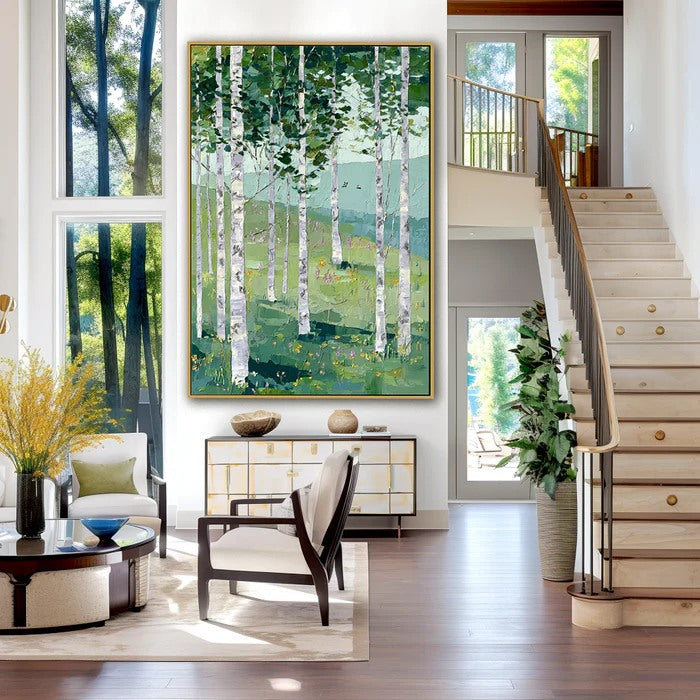
Large diptych art offers an engaging visual narrative through its two-panel structure, providing a balanced and dynamic presence in any room. Its versatility allows it to blend seamlessly into various interior styles, adding depth, dimension, and interest. The combination of abstract or minimalist themes makes diptychs a favorite for modern aesthetics, turning any space into a conversation starter.
How Is Large Diptych Art Defined in Contemporary Design?
Large diptych art is a composition consisting of two panels that together create a cohesive visual statement. Each panel holds its individual appeal but gains depth and meaning when displayed side by side. In contemporary design, these works serve as striking focal points that enhance the atmosphere of a space, often incorporating modern techniques and minimalistic styles.
The size of large diptychs, often ranging from 120 to 300 cm in total width, can dramatically affect the feel of a room. Here’s a breakdown of how size impacts different spaces:
| Room Type | Ideal Width (cm) | Artistic Impact |
|---|---|---|
| Living Room Wall | 180–240 | Statement Centerpiece |
| Hallway or Gallery | 120–160 | Fluid Visual Transition |
| Office Reception | 200–300 | Modern Corporate Elegance |
What Are the Key Benefits of Decorating With Large Diptych Art?
Large diptych art offers numerous benefits beyond aesthetics. Its symmetrical or contrasting nature brings balance, creating a sense of harmony in the room. These pieces can define spatial zones, improve the flow of energy in an open-plan setting, and foster a minimalist yet bold atmosphere. With two panels, diptychs also provide flexibility for storytelling, allowing artists to explore themes of contrast and duality.
Why Do Artists and Collectors Prefer Diptych Formats?
Artists and collectors are drawn to the diptych format for its ability to express duality and contrast, such as chaos versus calm or light versus dark. The format's modular nature allows for creativity and flexibility in composition. Diptychs offer both visual balance and a platform for deeper artistic expression, making them a popular choice in modern art collections. Collectors appreciate their versatility, scale, and the impact they have on a space.
How Can You Choose the Perfect Large Diptych Art for Your Space?
Choosing the right diptych art for your space depends on factors like color scheme, lighting, and room size. Cool tones can create a sense of openness, while warm tones add intimacy. Consider abstract textures to add depth, especially in minimalist interiors. When hanging the panels, maintain a small gap (3–8 cm) between them to enhance visual tension and create a more dynamic look.
Which Mediums Work Best for Large Diptych Art?
Oil and acrylic are the go-to mediums for large diptych art, known for their texture, richness, and durability. Oil paintings often feature layered brushstrokes and deep tonal variations. Acrylics, known for their smooth finish and vibrant colors, offer a modern, bold aesthetic. Additionally, mixed-media diptychs that incorporate materials like resin or metallics are gaining popularity for their contemporary, tactile qualities.
| Medium | Visual Texture | Durability | Modern Appeal |
|---|---|---|---|
| Oil Paint | Deep, layered | High | Classic Warmth |
| Acrylic | Smooth, vibrant | Very High | Modern Boldness |
| Mixed Media | Varied, 3D | Moderate | Experimental Edge |
Who Should Consider Investing in Large Diptych Art?
Large diptych art is suitable for a wide range of individuals and spaces. Homeowners looking to make a bold visual statement or interior designers wanting to anchor a room can benefit from its scale and impact. Art collectors appreciate the format’s versatility and the opportunity to invest in high-impact artwork. Additionally, businesses—such as hotels, restaurants, and corporate offices—use diptychs to infuse sophistication and identity into their interior design.
Where Should You Hang Large Diptych Art for Maximum Impact?
The most effective placement for large diptych art is on focal walls such as behind sofas, above beds, or along entryways. Hanging the artwork at eye level (around 150 cm from the floor to the midpoint) ensures it draws attention without overwhelming the space. Additionally, proper lighting can elevate the art’s depth and vibrancy, with ambient or spot lighting bringing out the nuances in texture and color.
Are Abstract Diptychs Still Popular in 2026?
Yes, abstract diptych art continues to dominate interior design trends in 2026. Its timeless appeal, coupled with the ability to evoke emotion through non-representational forms, makes it a favorite choice for both modern and traditional spaces. Neutral tones, combined with metallic accents and textured surfaces, remain highly sought after, as they effortlessly complement minimalist interiors.
Why Does Large Diptych Art Complement Minimalist Interiors?
Large diptych art is an ideal fit for minimalist interiors due to its balance and simplicity. The dual-panel format aligns with the minimalist ethos of symmetry and proportion, while its open space allows for a sense of serenity. Whether placed in a Nordic, Japandi, or modernist room, diptychs enhance the clean, uncluttered style of minimalist spaces without overwhelming the design.
Could Large Diptych Art Be Functional as Well as Aesthetic?
Absolutely. Brands like Artextured are pioneering the integration of art and functionality. Their acoustic diptych art incorporates sound-absorbing technology, providing both a visual and auditory experience. These pieces are particularly useful in spaces like offices, studios, and wellness centers, where both aesthetics and acoustics play a key role in the atmosphere.
Has Technology Changed the Way Large Diptych Art Is Created?
Technological advancements have revolutionized the creation of large diptych art. Tools like 3D modeling, digital design software, and AI-assisted techniques allow artists to explore new compositional possibilities, material interactions, and surface textures. These innovations not only streamline production but also open new creative dimensions, blending traditional techniques with cutting-edge technology.
Artextured Expert Views
“At Artextured, we view large diptych art as an immersive experience—where each piece transcends mere decoration and becomes an essential part of a space’s emotional and sensory fabric. We fuse traditional artistry with acoustic technology, so our two-panel works don’t just enhance a room’s aesthetic, they also refine its atmosphere, offering a perfect balance of beauty and function.”
— Artextured Studio Collective
When Did Diptych Art Become a Contemporary Trend?
Though diptychs have existed for centuries, their modern popularity surged in the mid-20th century. Abstract expressionists played a key role in reviving the two-panel format, using it to express dualities and contrasts. Today, diptychs are a symbol of balance and conversation, representing the way we view and navigate the complexities of contemporary life.
What Should You Know Before Commissioning Custom Diptych Art?
Before commissioning custom diptych art, consider the mood, size, and color palette you want to achieve. Discuss whether you prefer coordinated imagery or contrasting elements between the panels. Working with experienced artists like Artextured ensures that you get a personalized, high-quality piece that integrates innovative techniques and materials for both aesthetic and functional harmony.
Conclusion
Large diptych art is a captivating and versatile way to enhance the aesthetic and emotional atmosphere of any room. From their ability to create visual harmony to their functional use in acoustics, diptychs serve as powerful artistic statements. Whether through the expertise of Artextured or other skilled artists, diptych art continues to transform spaces, providing both beauty and depth to interiors.
Frequently Asked Questions
1. What size qualifies as “large” for diptych art?
Typically, each panel measures over 90 cm in height or width, totaling 180 cm or more combined.
2. Can diptych art be displayed apart from each other?
Yes, spacing panels a few inches apart maintains visual tension and cohesion.
3. Do diptychs need to be the same size?
Most are symmetrical, but asymmetrical designs can create intentional imbalance for dynamic effect.
4. Can I commission acoustic diptych art?
Yes. Brands like Artextured specialize in acoustic diptychs that blend aesthetics with sound absorption.
5. How do I maintain oil diptych paintings?
Keep them away from direct sunlight, and dust lightly using a soft microfiber cloth weekly.