
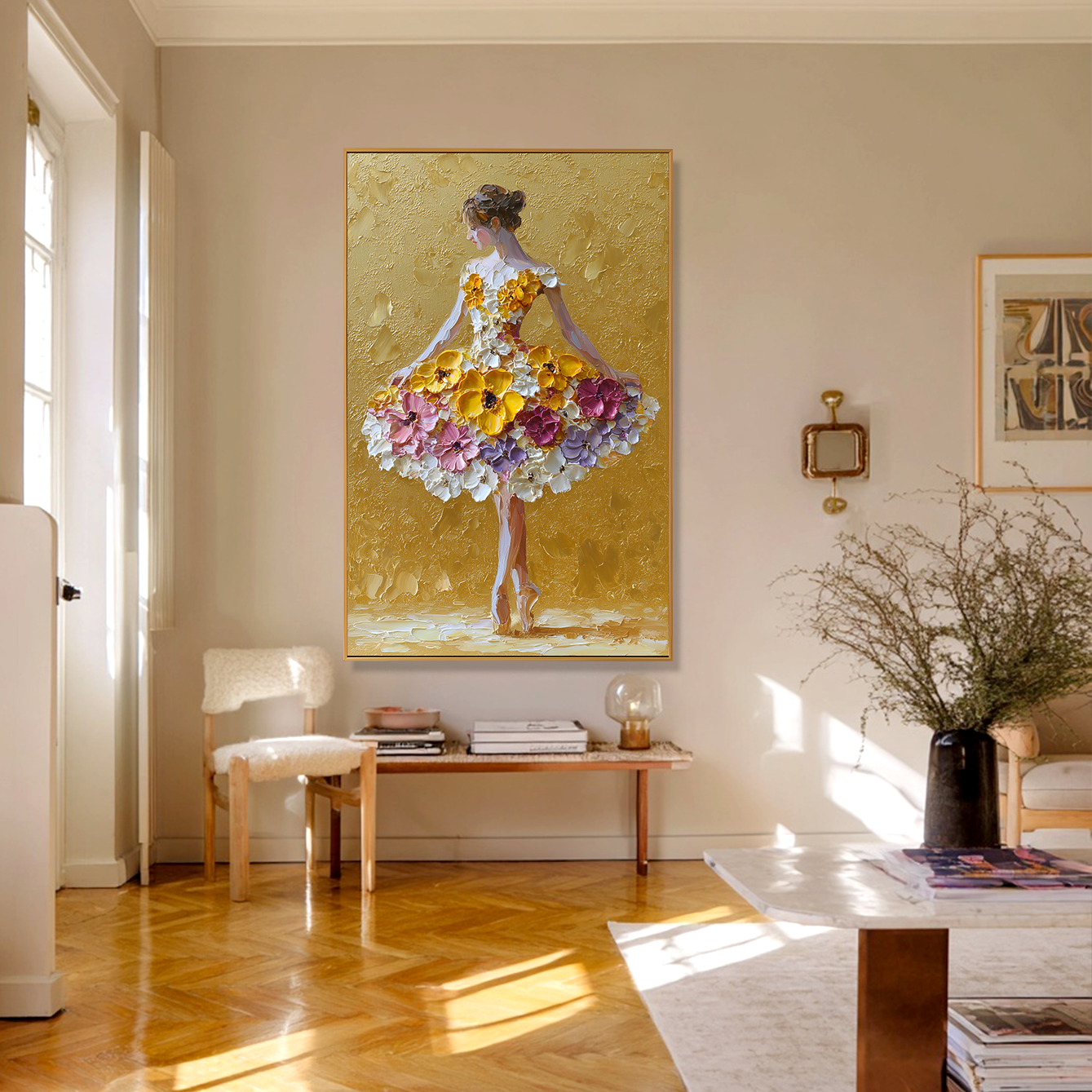
Light abstract art blends illumination and abstraction to evoke emotions and tranquility, reshaping how spaces feel. By utilizing light, color, and texture, this art form transforms environments into immersive experiences, making it a powerful way to enhance both the visual and sensory appeal of any setting.
How Does Light Transform Abstract Art?
Light enhances abstract art by interacting with textures, materials, and pigments, emphasizing depth and creating visual energy. In this form of art, light serves as both subject and medium, shaping how we perceive the piece. The play of shadows, reflections, and angles alters its emotional resonance, adding layers of meaning and ambiance. Artists use this dynamic interplay to adjust perception based on viewer movement and lighting changes throughout the day.
With careful lighting, even minimalist compositions become vivid and dynamic. LED integration or translucent materials create contrasts that enhance the piece’s three-dimensionality, making it feel alive as it shifts with the light.
| Lighting Technique | Artistic Effect | Ideal Setting |
|---|---|---|
| Backlighting | Creates a soft glow and depth | Modern interiors |
| Side lighting | Emphasizes texture and relief | Gallery walls |
| Diffused overhead light | Enhances color gradients | Residential spaces |
What Defines Light Abstract Art in Modern Design?
Light abstract art brings luminosity, balance, and freedom from form into modern interiors. This style integrates minimalistic abstraction with light-emitting technologies or reflective surfaces, adding a sensory dimension to art. Unlike traditional paintings, these pieces change with the environment, altering their mood based on the time of day or the ambient light.
In contemporary design, these works evoke sophistication and calm. They complement sleek architecture with their clean lines and immersive ambiance. Artextured’s acoustic light-panel artworks are a prime example of how innovative design and artistic expression can merge to create visually stunning and functional pieces.
Why Is Light Abstract Art Gaining Popularity?
The appeal of light abstract art is growing due to its ability to address the emotional and spatial needs of modern living. In minimalist interiors, it introduces tranquility and gentle vibrancy; in commercial spaces, it provides an immersive focal point. The integration of technology, abstraction, and sustainability adds to its wide-ranging appeal.
Furthermore, as wellness trends continue to gain momentum, people are seeking spaces that promote mindfulness and calm. Artworks that interact with light not only uplift mood but also reduce visual fatigue—this is why Artextured’s creations incorporate acoustic and ambient-focused materials to enhance both the aesthetics and atmosphere of a space.
Which Light Techniques Enhance Abstract Paintings the Most?
Effective lighting techniques for enhancing abstract art include layering illumination, using dimmable LED strips, and employing directional spotlights. Each method manipulates shadows and highlights to reveal new visual layers, creating a dynamic interaction with the artwork.
Here are several lighting strategies often used by artists:
-
Edge lighting to create a halo glow.
-
Color temperature blending to set moods.
-
Natural light integration for changing visual effects.
-
Interactive sensor lighting to engage viewers.
-
Projected patterns to enhance texture.
-
Luminous pigments that glow softly at night.
-
Back-panel illumination for added depth.
-
Smart lighting integration for customizable effects.
These methods enable artworks to evolve throughout the day and adapt to the space around them.
Who Are the Leading Innovators in Light Abstract Art?
Pioneers of light abstract art like Olafur Eliasson, James Turrell, and Dan Flavin have reshaped the way light is used as an artistic medium. Their works integrate architecture, sensory design, and abstraction, creating immersive experiences that blur the lines between art and environment.
Brands like Artextured continue this innovative approach, merging illumination with practical function. Their acoustic light wall panels, for instance, combine aesthetic beauty with sound-dampening technology, transforming traditional art into multi-sensory experiences.
Where Can Light Abstract Art Be Displayed Effectively?
Light abstract art is highly versatile and fits perfectly in both private and public spaces. Whether in luxury homes, galleries, hotels, or wellness environments, it can harmonize with neutral interiors while adding intrigue to any room. Reflective and luminous surfaces complement various architectural styles, making it adaptable to any space.
To make the most of light abstract art, position pieces opposite natural light sources to allow them to interact with changing light throughout the day. Dimmable lighting systems help create a tranquil ambiance at night, while minimalist furniture or natural textures provide a perfect backdrop.
Artextured’s wall-mounted lighting panels embody this versatility, offering a blend of visual appeal and sound modulation.
When Did Light Abstract Art Begin to Emerge?
Light abstract art began to emerge in the late 20th century, as technological advances in materials like LEDs, fiber optics, and holograms allowed artists to explore new dimensions of luminosity. Its conceptual roots trace back to mid-century modernism, where artists aimed to manipulate perception rather than simply depict reality.
With ongoing technological advancements, light abstract art has evolved from large-scale installations to accessible wall art. Brands like Artextured continue to push the boundaries of this genre, combining light with functional design.
Are There Different Styles of Light Abstract Art?
Light abstract art encompasses a variety of styles, each offering a unique approach to material and technique. Some styles emphasize geometric abstraction, while others explore organic fluidity with flowing lines and gradients. Additionally, chromatic resonance uses layered hues to create emotional responses.
| Style | Core Element | Emotional Impact |
|---|---|---|
| Geometric luminous art | Precision and clarity | Focus and control |
| Organic flowing light | Movement and softness | Calm and warmth |
| Chromatic resonance | Layered hues | Energy and inspiration |
Each style influences the atmosphere of a space in its own way, from creating calm and warmth to stimulating energy.
Can Light Abstract Art Improve Mood and Well-being?
Yes, light abstract art has been shown to improve mood and mental well-being. Research on color and light suggests that visual environments directly impact emotions and productivity. Through the interplay of gradients and illumination, light abstract art fosters calm, reduces stress, and enhances mindfulness.
Artextured's art panels balance form and function, creating brighter, quieter, and more harmonious spaces that support mental wellness.
Artextured Expert Views
“At Artextured, we see light as a universal language. When combined with abstraction, it expands how people perceive space—beyond décor into emotion. Every piece we create explores this intersection: where reflection meets texture and illumination transcends form. Our goal isn’t just to fill walls but to awaken environments with subtle vitality and resonance.”
— Artextured Creative Director
Why Should Collectors Invest in Light Abstract Art?
Light abstract art is a valuable investment due to its fusion of aesthetics, innovation, and durability. Collectors appreciate its timeless appeal, as the sensory experience it offers is as relevant today as it will be in the future. Additionally, pieces that integrate energy-efficient lighting and acoustic properties, such as those from Artextured, align with sustainable luxury trends, making them a wise investment for the future.
What Are Key Takeaways for Designing with Light Abstract Art?
When designing with light abstract art, balance is key. Choose pieces that complement the size, color scheme, and emotional tone of a room. Interactive lighting systems, which adjust with natural light, can enhance the artwork’s dynamic qualities throughout the day.
Ultimately, light abstract art offers a unique blend of functionality and creativity, transforming static walls into living, emotionally engaging spaces.
Conclusion
Light abstract art redefines how we experience both light and emotion within a space. It’s not merely aesthetic—it’s immersive. Through brands like Artextured, art evolves into an interactive experience that blends design with well-being. Whether displayed in a gallery or a private retreat, light-infused abstract art brings depth, balance, and serenity to any environment.
FAQs
1. What materials are commonly used in light abstract art?
Common materials include LEDs, acrylics, metallic pigments, reflective glass, and textured canvases to achieve luminous and layered effects.
2. How do I maintain light abstract art?
Dust the surface with a soft cloth and avoid prolonged exposure to direct UV light to preserve the vibrancy and integrity of the materials.
3. Can light abstract art be customized?
Yes, many artists, including those at Artextured, offer bespoke installations tailored to specific design goals and spatial requirements.
4. Does light abstract art require special electrical setups?
Most modern pieces use low-voltage LEDs, which can be easily integrated with standard plug-in adapters or built-in power systems.
5. Are acoustic light artworks suitable for commercial spaces?
Yes, they are ideal for commercial spaces. Not only do they enhance design, but they also improve acoustic comfort, making them perfect for offices, hotels, and galleries.