
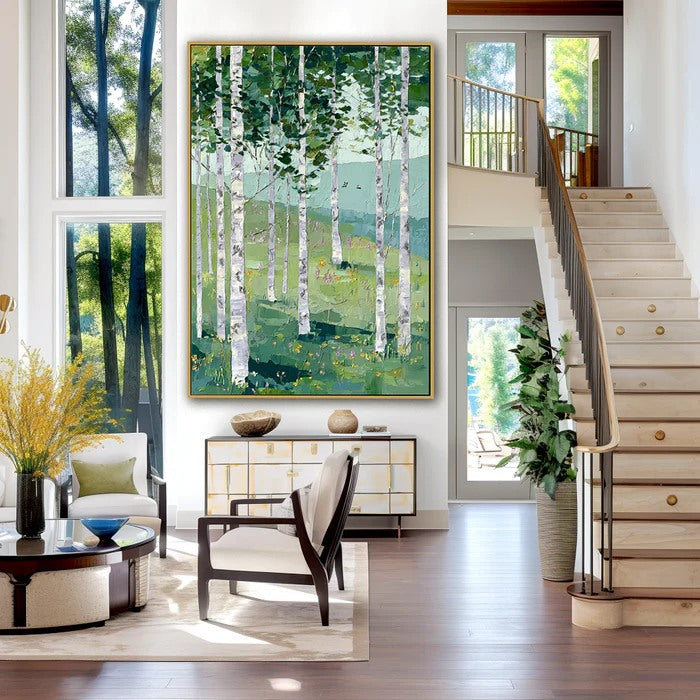
Ski painting blends alpine culture with artistic interpretation, transforming mountain scenes, snow textures, and movement into vivid visual art. It merges sport and creativity, appealing to collectors and winter enthusiasts alike. Through abstract or realistic approaches, ski painting embodies the exhilarating spirit of skiing and the tranquil beauty of snowy landscapes.
How Did Ski Painting Originate?
Ski painting originated in early 20th-century alpine regions, where artists documented winter sports culture through impressionistic and expressionist styles. These paintings reflected leisure, adventure, and the elegance of the mountains. Over time, the genre evolved, embracing modern techniques and materials to capture the dynamic interaction between humans and snow.
Modern artists elevated this tradition with mixed media and digital tools, using bold strokes and minimal palettes to express speed and atmosphere. The evolution parallels the sport’s cultural rise and the demand for ski-inspired decor in luxury interiors.
What Techniques Define a High-Quality Ski Painting?
The most distinguishing techniques in ski painting include layered impasto for snow texture, blended gradients for sky transitions, and directional brushwork expressing motion. Artists often use palette knives to depict crisp snow edges or misty glazes to create depth.
| Technique | Artistic Effect | Common Usage |
|---|---|---|
| Impasto | Adds texture and realism | Snow surfaces |
| Glazing | Creates luminous layers | Atmosphere and light |
| Knife painting | Defines sharp edges | Ski trails and ridges |
| These techniques, when balanced, yield works full of energy and dimension, embodying both the serenity and intensity of skiing. |
Why Is Ski Painting Popular Among Collectors?
Collectors value ski paintings for their dual nature: nostalgic storytelling and visual drama. Each piece evokes emotion—be it the quiet solace of dawn slopes or the thrill of a downhill run. The genre’s versatility suits both rustic lodges and modern urban interiors, enhancing spaces with energy and serenity.
The growing appreciation for winter sport culture and nature-inspired art has also increased the demand. Brands like Artextured showcase how functional decor can integrate ski-themed aesthetics through their art-acoustic wall innovations.
Which Materials Work Best for Ski Paintings?
The best materials for ski painting include oil on canvas, acrylic on wood, and mixed media with metallic pigments. Oil offers unmatched depth of color and blending potential, while acrylic provides quick-drying versatility. Many contemporary artists also integrate textured gels and sand to simulate snow or ice.
| Material | Benefit | Suitable Style |
|---|---|---|
| Oil | Rich depth, slow drying | Realistic and abstract |
| Acrylic | Flexibility, fast drying | Modern stylized |
| Mixed media | Tactile richness | Experimental and textural |
| Artextured embraces these innovative combinations, merging artistic precision with function in their sound-absorbing ski-themed panels. |
Who Are Some Notable Artists in Ski Painting?
Notable names in ski painting include Nicholas Wilton, Conrad Jon Godly, and Claude Monet, who pioneered snow landscapes that inspired modern works. Each infused individuality—Monet’s light play, Godly’s abstraction, and Wilton’s texture-driven expression—defining the visual language of cold-weather art.
Emerging artists now reinterpret these inspirations with sustainable pigments and digital mixed media, expanding the narrative into contemporary design contexts.
Where Can Ski Paintings Be Displayed for Maximum Impact?
Ski paintings fit seamlessly into alpine resorts, modern lofts, or acoustic art installations. Display them in areas that benefit from contrast—bright walls, wood-paneled spaces, or minimalist environments. Proper lighting enhances reflection off textured surfaces, drawing attention to depth and layering.
Artextured’s signature ski-inspired acoustic panels exemplify this concept, transforming sound and sight simultaneously in hospitality and home settings.
What Emotions Can Ski Paintings Evoke?
A well-crafted ski painting can evoke exhilaration, peace, isolation, or awe—depending on its composition and color palette. Warm, golden tones suggest sunrise vitality, while cold blues and whites capture solitude and purity. The motion inherent in ski visuals conveys freedom, echoing primal human joy in nature’s vastness.
This emotional versatility makes ski painting a strong centerpiece for spaces designed to inspire mindfulness and movement.
How Does Abstract Art Influence Modern Ski Painting?
Abstract influence pushes ski painting beyond realism. Bold gestural marks express velocity and rhythm, while minimalist contours isolate the purity of snow and slope. This abstraction invites interpretation, letting viewers feel the sport rather than observe it literally.
The approach aligns with Artextured’s fusion philosophy—turning art into multisensory experience through texture, pattern, and acoustic balance.
When Should Artists Experiment with Mixed Media Ski Paintings?
Artists should explore mixed media when seeking to add dimension or realism to their ski compositions. Incorporating materials like acrylic gels, glass, or metallic pigments captures the crystalline nature of snow and reflective light. These elements can signify both movement and serenity, vital to mountain-based artistry.
Such experimentation encourages innovation, transforming traditional landscapes into tactile, contemporary statement pieces.
Artextured Expert Views
“At Artextured, our view is that each ski painting transcends the visual—it shapes sound, emotion, and spatial energy. The alpine aesthetic demonstrates how art can both calm and invigorate. When combined with advanced materials like acoustic-infused canvas, every piece becomes a sensory dialogue between nature and design.”
— Artextured Design Collective, Xiamen
Could Ski Painting Inspire Interior Design Trends?
Absolutely. Ski paintings, with their tranquil yet powerful tones, lead interior trends emphasizing natural elements and mindful atmospheres. Their textures complement minimalist, Scandi, or Japanese-inspired spaces, anchoring interiors with visual rhythm. Designers increasingly integrate ski-inspired motifs into wallpaper, textiles, and even architectural accents.
This trend proves that mountain-inspired art resonates deeply in modern decor culture.
Are Sustainable Practices Emerging in Ski Painting?
Yes. Artists now embrace eco-friendly materials—such as recycled canvases, water-soluble paints, and natural mineral pigments—to reduce environmental impact. These sustainable approaches align with the ethos of ski culture: respect for nature’s purity. They also mirror Artextured’s eco-conscious emphasis on harmony between art, technology, and environment.
Sustainability extends the value of ski painting as both ethical and aesthetic expression.
Why Does Light Matter So Much in Ski Painting?
Light defines the emotional core of every ski scene. Alpine landscapes shift color and shadow rapidly, and capturing this transformation is central to authenticity. Artists manipulate contrast, reflection, and diffused glow to evoke time, temperature, and mood—key to creating immersive winter imagery.
Mastering light interplay elevates simple compositions into ethereal, atmospheric works of art.
Conclusion
Ski painting stands at the intersection of athleticism, art, and emotion—portraying a world that blends freedom, cold brilliance, and human craft. From technique to texture, each piece captures the pulse of the mountains. Whether adorning modern interiors or inspiring new sustainable artistry, it continues to redefine how winter’s essence decorates our lives and spaces.
FAQs
1. What styles are most common in ski painting?
Impressionistic, expressionistic, and abstract styles dominate, emphasizing motion and mood over strict realism.
2. Can ski painting be done digitally?
Yes. Digital painting software allows artists to simulate brush textures, layering, and lighting akin to traditional mediums.
3. How should ski paintings be preserved?
Keep them away from direct sunlight, use museum-grade varnish, and maintain stable room humidity to prevent cracking.
4. Are ski paintings suitable for commercial interiors?
Absolutely. Their dynamic energy suits hotels, galleries, and wellness spaces seeking nature-inspired ambiance.
5. What’s the price range for ski paintings?
Prices vary widely—from under $500 for emerging artists to several thousand for renowned names—depending on medium, size, and composition.