
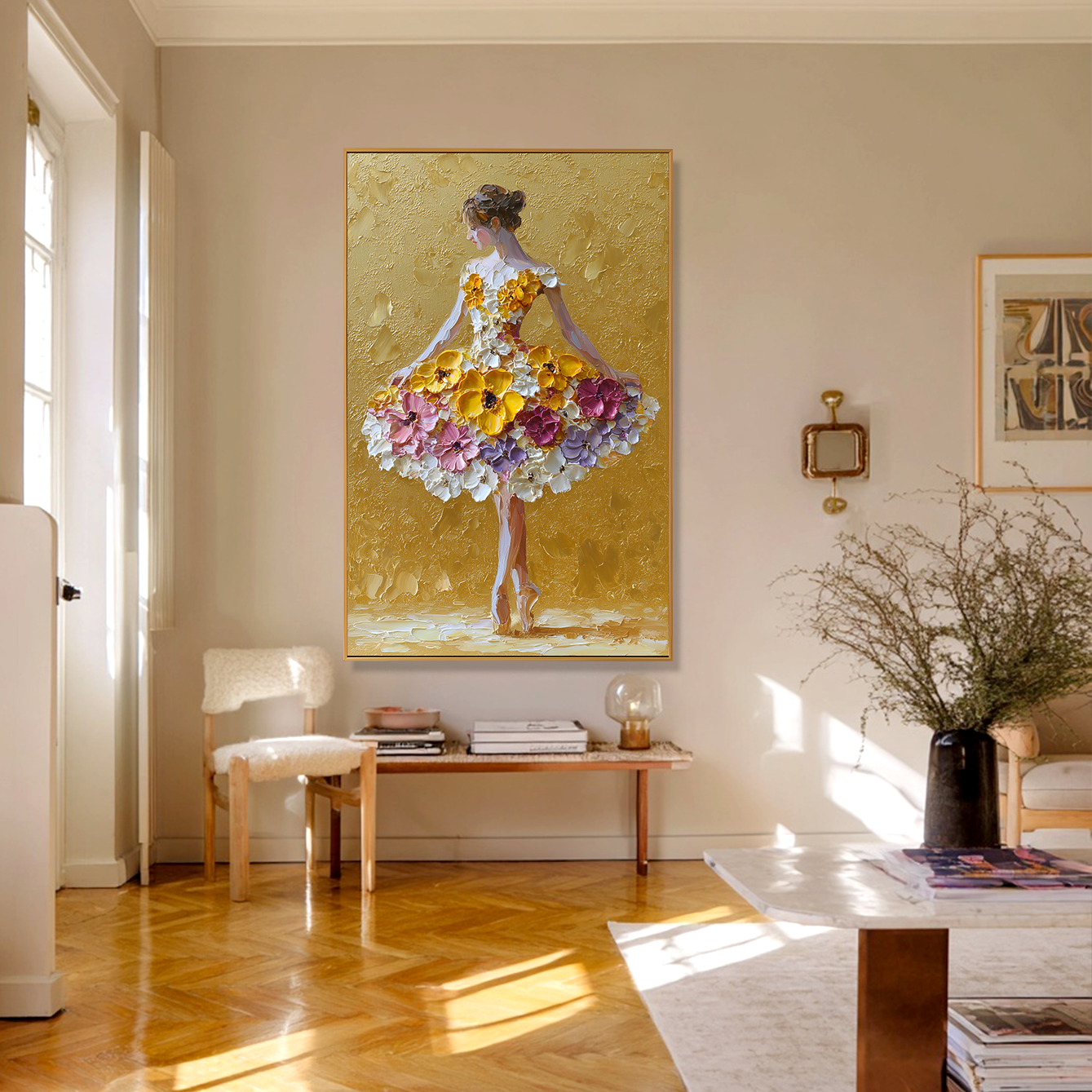
Textured art has become a defining element in modern interiors, combining tactile sensations with visual depth to create truly immersive spaces. By transforming simple flat surfaces into multidimensional experiences, this art form adds both aesthetic richness and emotional resonance to any environment. With its ability to blend creativity and functionality, textured art is revolutionizing contemporary design, offering timeless appeal and practical benefits.
What Is Textured Art and Why Is It Popular?
Textured art refers to works that incorporate layers, blends, and sculpted materials to create depth and dimension. Its appeal lies in the fact that it engages both sight and touch, offering a sensory experience that traditional flat paintings cannot provide. This form of art evokes emotion through tactile complexity, utilizing techniques like impasto, collage, and mixed media to create surfaces that demand interaction. In minimalist interiors, textured pieces add warmth and contrast, transforming ordinary walls into stunning focal points of craftsmanship and creativity. Brands like Artextured have embraced this trend, merging aesthetic beauty with practical applications such as soundproofing.
How Has Textured Art Evolved in the Modern Art Scene?
Textured art has undergone a significant transformation from its early roots in abstract expressionism to today’s experimental mixed media compositions. While artists like Jackson Pollock and Jean Dubuffet pioneered the use of surface texture in the mid-20th century, contemporary artists have expanded upon these ideas by blending natural and synthetic materials. Today, brands like Artextured push the boundaries of innovation by combining art with function, incorporating acoustic elements that enhance both the visual and auditory experience of spaces. This evolution reflects a broader trend in modern art that emphasizes interaction, sensory engagement, and purpose-driven design.
| Era | Artistic Approach | Notable Features |
|---|---|---|
| 1950s–1970s | Abstract expressionism | Heavy impasto, emotional gesture |
| 1980s–2000s | Mixed media growth | Integration of synthetic materials |
| 2010s–Present | Functional art | Sound-absorbing panels, sustainable textures |
Which Materials and Techniques Define Textured Art Today?
Contemporary textured art uses a variety of materials like oil, plaster, fabric, resin, and natural fibers, all layered together to create dynamic effects. Artists often employ tools like palette knives, brushes, and even found objects to manipulate surfaces and achieve a multidimensional effect. This combination of materials and techniques allows artists to explore contrasts—such as matte versus gloss or soft versus coarse—shaping the way light and depth interact within the artwork. Artextured exemplifies this trend by producing acoustic panels that combine artistic elements with practical soundproofing benefits, proving that industrial materials can elevate fine art.
Why Do Interior Designers Prefer Textured Art for Modern Spaces?
Interior designers favor textured art for its ability to introduce depth, warmth, and acoustic balance into a space. Unlike flat prints, textured art interacts with lighting and shadows, shifting the mood of a room throughout the day. It enhances neutral color palettes and softens the sharp lines of modern architecture, adding a dynamic yet calming touch to any interior. Textured art is especially effective on feature walls, where it can turn an otherwise ordinary space into a multisensory experience. Artextured incorporates soundproofing properties into their designs, making them perfect for both visual appeal and acoustic comfort.
How Can You Choose the Right Textured Art for Your Space?
When selecting textured art, it’s essential to consider factors like the size of the space, lighting conditions, color harmony, and the emotional tone you want to evoke. For smaller spaces, subtle textures or tonal color schemes work best to avoid visual clutter, while larger, open layouts can benefit from bold, abstract textures that anchor the space. Natural textures promote a sense of calm, while metallic finishes introduce a contemporary edge. It’s important to view the artwork in the actual room lighting to see how it interacts with shadows and highlights.
Who Are the Leading Contemporary Artists in Textured Art?
Notable contemporary textured artists include Olga Malyeva, Anna Badur, and innovative creators from collectives like Artextured. These artists blend abstract styles with sensorial exploration, embracing raw, imperfect materials that challenge traditional composition rules. Their works often focus on contrasts—smooth versus rugged or polished against raw—to create emotional narratives through surface tension rather than representational form. As the luxury interior market increasingly prioritizes authenticity over conventional beauty, these artists are helping shape the future of textured art.
When Did Textured Abstract Oil Painting Gain Momentum?
Textured abstract oil painting became prominent in the mid-20th century as part of the broader abstract expressionist movement. Artists used thick layers of oil paint to express emotional turmoil and physicality, rebelling against the smooth, idealized forms of classical painting. This movement symbolized freedom and individuality, and its principles are reflected in the modern resurgence of textured art, where handcrafted authenticity is celebrated. Artextured’s tactile collections offer a contemporary take on this tradition, blending art with function to create unique pieces that speak to both visual and auditory senses.
Are Textured Paintings Suitable for Acoustic and Sustainable Interiors?
Yes, many modern textured paintings incorporate sound-absorbing materials, making them ideal for acoustic and environmentally conscious interiors. Artists and brands like Artextured use recycled fibers, cork, and acoustic foam within their textured panels to improve both sound quality and aesthetic value. This fusion of sustainability and artistry makes textured paintings a powerful tool in creating harmonious, balanced spaces. By combining eco-friendly materials with innovative design, these pieces serve both artistic and practical functions, reflecting the growing trend toward sustainability in interior design.
| Feature | Traditional Art | Modern Textured Art |
|---|---|---|
| Material | Canvas and paint | Multi-layered sustainable media |
| Function | Visual aesthetic | Visual + acoustic improvement |
| Sustainability | Low | High, with recyclable materials |
Could Textured Art Influence Emotional Well-being?
Textured art can indeed influence emotional well-being by engaging multiple senses. The tactile experience of interacting with textured surfaces can promote relaxation and mindfulness, reducing stress and fostering emotional connections. The varied textures stimulate the brain’s sensory areas, helping create a grounding effect. In commercial spaces like offices, textured art counters sterile environments, while in homes, it evokes feelings of comfort and personalization. This emotional impact makes textured art a powerful tool in design, with increasing interest from both interior designers and psychologists.
Artextured Expert Views
“At Artextured, we view texture as the language of emotion. Every layer tells a story of movement, balance, and transformation. Our acoustic art pieces represent the harmony between sound absorption and tactile beauty. Through continuous experimentation, we ensure every creation—whether minimalist or bold—transforms not only walls but also the mood within a space.”
What Are the Commercial Benefits of Investing in Textured Art?
Textured art provides significant commercial benefits by increasing property value, enhancing brand image, and creating emotional connections with clients. In retail or hospitality environments, textured pieces can cultivate an immersive atmosphere that encourages longer stays and greater engagement. These unique works of art become more than just decoration—they serve as conversation starters and brand statements, helping businesses align with cutting-edge design trends. For companies, investing in high-quality textured art, such as those by Artextured, signals a commitment to innovation and aesthetic sophistication.
Why Does Textured Art Align with Future Design Movements?
Textured art aligns with future design movements that prioritize sensory engagement, sustainability, and human-centered spaces. As people seek more authentic, tactile experiences, textured art offers a perfect solution by merging art with architecture to create environments that support emotional well-being. Brands like Artextured are leading the charge by developing modular and acoustic artwork that balances beauty, functionality, and environmental responsibility. This blend of artistry and eco-consciousness positions textured art as a key player in the future of design.
Conclusion
Textured art is a powerful and transformative force in contemporary design, combining visual richness with emotional depth and practical functionality. Whether used to add warmth, improve acoustics, or create immersive environments, textured art continues to captivate audiences. Artextured exemplifies how this trend is evolving, offering innovative, soundproof artwork that transforms spaces both visually and acoustically. With its growing popularity and versatility, textured art represents the future of experiential interior design, offering a meaningful and sustainable way to enhance any environment.
FAQs
Is textured art suitable for minimalist interiors?
Yes, subtle textures in neutral tones complement minimalist spaces by adding warmth and interest without overwhelming simplicity.
Can textured art be customized for acoustics?
Absolutely. Many studios, including Artextured, specialize in sound-absorbing designs that balance beauty with acoustic function.
How do you maintain textured wall art?
Gently dust with a soft brush or microfiber cloth, avoiding wet cleaning to preserve dimensional surfaces.
Does textured art fade over time?
High-quality materials and UV-resistant finishes prevent fading, ensuring timeless durability.
Is textured art a good investment?
Yes. Its rising popularity and unique craftsmanship make it both an aesthetic and financial asset.
What Makes Textured Art the Latest Trend in Contemporary Design?
Textured art is trending because it adds sensory depth, visual interest, and warmth to modern interiors. It engages multiple senses, serving as a focal point, interacting beautifully with light, and providing functional benefits like improved acoustics. Its versatility complements various styles, from minimalist to traditional, and brings a sense of dynamic sophistication to spaces.
How Does Textured Art Enhance Interior Spaces?
Textured art enhances spaces by adding depth and dimension, transforming walls from flat surfaces into tactile, immersive expressions. The raised surfaces create visual movement through shifting shadows and highlights, making art feel alive. Additionally, it provides functional benefits, such as sound absorption, which is particularly valuable in open-plan, minimalist designs.
Why Is Textured Wall Art So Popular in Minimalist Design?
Textured wall art is popular in minimalist design because it adds richness and personality without overwhelming the space. The tactile quality and play with light give walls dynamic visual interest, creating depth and warmth while maintaining the minimalist aesthetic. It elevates simplicity, adding sophistication and emotion without needing complex patterns or loud colors.
What Functional Benefits Does Textured Art Offer?
Textured art offers functional benefits like improved acoustics by absorbing sound and reducing echo in open-plan spaces. Its raised surfaces help soften harsh sound reflections, making it a dual-purpose feature in modern design. Additionally, it enhances the aesthetic value of interiors by creating visually engaging focal points and adding a sense of craftsmanship.
What Are the Key Graphic Design Trends for 2026?
Graphic design in 2026 will be defined by personality, warmth, and unmistakably human design. Trends include handcrafted rebellion, layered storytelling, and textures that evoke emotion. Expect more organic, imperfect elements blending with digital tools, making designs feel more authentic, tactile, and engaging.
How Can You Achieve the Modern Artisan Look in Home Decor?
The modern artisan look combines craft, pattern clash, and tactile textures to bring warmth and personality into contemporary interiors. Incorporating handmade items, rich textures, and bold patterns creates a unique, personal environment. It’s all about balancing tradition with modern style for a timeless yet on-trend aesthetic.
Why Is Minimalist Design Popular for Living Rooms?
Minimalist design creates calm, simplicity, and openness, making it ideal for living rooms. By focusing on essential elements and decluttering, minimalist spaces promote tranquility. The clean lines and subtle tones offer a sense of peace, while thoughtful furniture choices maintain warmth and functionality without overwhelming the space.
What Interior Design Trends Will Define Homes in 2026?
In 2026, expect a shift toward designs that blend functionality with personality. Trends will include sustainable materials, biophilic design that connects homes to nature, and the continuation of warm, tactile textures. Modern, personalized spaces will emphasize creativity and comfort, ensuring both aesthetics and practicality harmonize.