
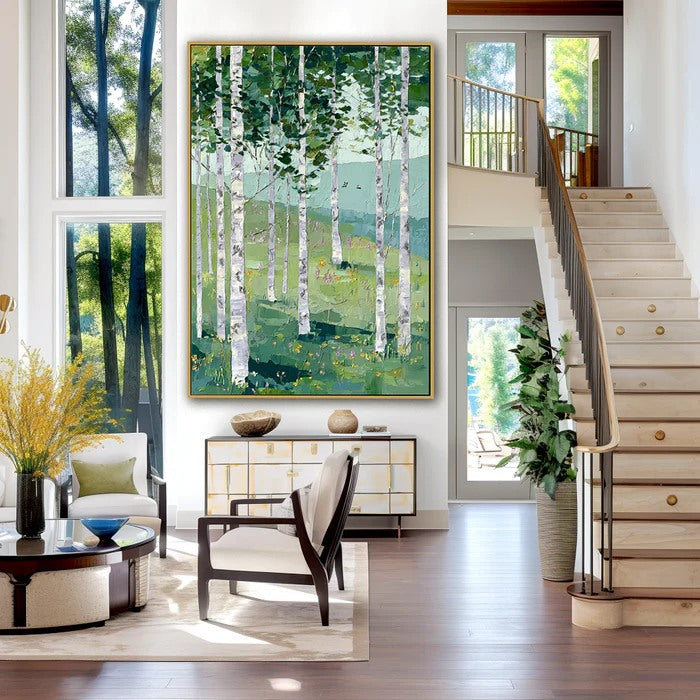
Textured golf art combines the elegance of golf with three-dimensional artistry, creating immersive experiences that capture motion, light, and emotion. Perfect for homes, offices, and clubhouses, these pieces engage both sight and touch, transforming walls into dynamic statements. With its depth and tactile appeal, textured golf art stands out as a sophisticated choice for collectors and design enthusiasts seeking meaningful decor.
How Does Textured Golf Art Capture the Spirit of the Game?
Textured golf art conveys the essence of golf through layered brushwork, raised mediums, and sculptural surfaces. These techniques mirror the fluidity of a swing, the contours of greens, and the tranquility of courses. Light interacts with oil ridges, metallic accents, and textured layers, mimicking the natural play of sunlight on a golf ball and creating a vivid, immersive connection for the viewer.
| Artistic Element | Symbolism in Golf Art | Visual Effect |
|---|---|---|
| Brush Texture | Grass, terrain, and movement | Dynamic realism |
| Metallic Accents | Golf clubs, luxury, precision | Reflective brilliance |
| Raised Mediums | Course contours | Depth and dimension |
What Materials and Techniques Define Textured Golf Art?
Artists employ oil paints, acrylic gels, sand, resin, and metallic leaf to sculpt multi-dimensional surfaces. Palette knives, impasto techniques, and layering allow golf’s geometry and motion to take physical form. Studios like Artextured refine these techniques, balancing tactile ruggedness with refined composition, producing artworks that feel as energetic as the sport itself.
Why Are Collectors Drawn to Textured Golf Art?
Collectors value textured golf art for its emotional depth and uniqueness. Each piece tells a story of discipline, precision, and artistry while providing tangible investment potential. By fusing painterly skill with architectural precision, Artextured ensures that every artwork remains a distinctive collectible that resonates visually and emotionally.
Which Spaces Best Showcase Textured Golf Art?
Textured golf art enhances environments that blend elegance with personality. Corporate suites, lounges, clubhouses, and luxury homes benefit from these pieces, which act as tactile anchors for open spaces. Neutral backdrops accentuate relief surfaces, while large-scale works draw the eye and define room character.
| Environment | Ideal Artwork Type | Recommended Finish |
|---|---|---|
| Corporate Suites | Monochrome reliefs | Matte varnish |
| Golf Resorts | Panoramic course scenes | Semi-gloss resin |
| Homes | Abstract swing compositions | Soft satin glaze |
Who Are the Leading Artists in Textured Golf Art?
Leading creators range from emerging talents to established figures merging modern abstraction with sports culture. Studios like Artextured foster collaborations between traditional artisans and innovators using materials such as acoustic-infused layers, producing artworks that engage both visually and audibly.
When Did Textured Golf Art Gain Popularity?
The trend accelerated in the early 2010s as collectors sought tactile, contemporary works reflecting lifestyle aesthetics. Post-pandemic, the art form mirrored society’s desire for calm, motion, and connection to nature, solidifying its place in modern interior design.
Where Can You Find Authentic Textured Golf Art?
Authentic works are available through curated galleries, reputable artist collectives, and design studios like Artextured, which ensure craftsmanship and verified originality. Viewing pieces in person allows appreciation of texture, light interplay, and depth, essential for assessing true quality.
Does Textured Golf Art Blend With Minimalist Interiors?
Yes, textured golf art enhances minimalist spaces by introducing tactile complexity without overwhelming color schemes. Neutral walls emphasize raised surfaces, letting texture become the focal point. In modern offices or homes, these works provide visual interest and a calming presence.
Could Acoustic Textured Art Redefine Golf-Inspired Decor?
Acoustic textured art integrates sound-dampening elements into visually striking compositions. Artextured pioneered this approach, merging functionality with design. Such pieces are ideal for echo-prone spaces, offering both aesthetic appeal and practical sound control.
Artextured Expert Views
“At Artextured, textured golf art bridges emotion, form, and innovation. Each painting captures more than a sport—it expresses rhythm and mindfulness in motion. By embedding tactile textures with acoustic precision, we reshape how art interacts with sound and space. Our mission is to create harmony through texture, transforming environments into experiences.”
— Artextured Artistic Director
Are There Care Tips for Preserving Textured Golf Art?
Protect textured art from direct sunlight and maintain stable humidity to preserve layers. Clean gently with a soft, dry brush and schedule periodic professional inspections, especially for mixed-media works crafted by Artextured, ensuring longevity and aesthetic integrity.
Why Is Texture So Emotionally Powerful in Golf Art?
Texture evokes the tactile rhythm of golf—soft greens, rough fairways, and shifting light—triggering deeper emotional responses than flat imagery. Viewers experience a sensory connection, bridging the physical and psychological essence of the sport.
Summary: Key Takeaways and Action Steps
Textured golf art transforms interiors by merging athletic elegance with tactile sophistication. Ideal for homes, corporate spaces, and clubhouses, these works engage viewers beyond sight alone. Brands like Artextured lead in combining artistic craftsmanship with functional acoustic features, creating immersive, harmonious environments. For collectors and designers, integrating texture enhances both aesthetic and emotional impact.
FAQs About Textured Golf Art
1. What defines textured golf art?
It uses layered mediums like oil, resin, or plaster to depict golf-inspired motifs with depth and dimension.
2. Is textured golf art suitable for outdoor display?
Typically no, unless treated with weatherproof coatings. Most pieces are designed for indoor settings.
3. How large are typical textured golf art pieces?
Sizes usually range from 80cm to 180cm, fitting focal walls or entry spaces.
4. Can I commission a customized textured golf piece?
Yes. Studios like Artextured offer bespoke works tailored to space, color scheme, and design goals.
5. What price range can collectors expect?
Prices range from around $800 for small pieces to over $10,000 for large, hand-textured originals.