
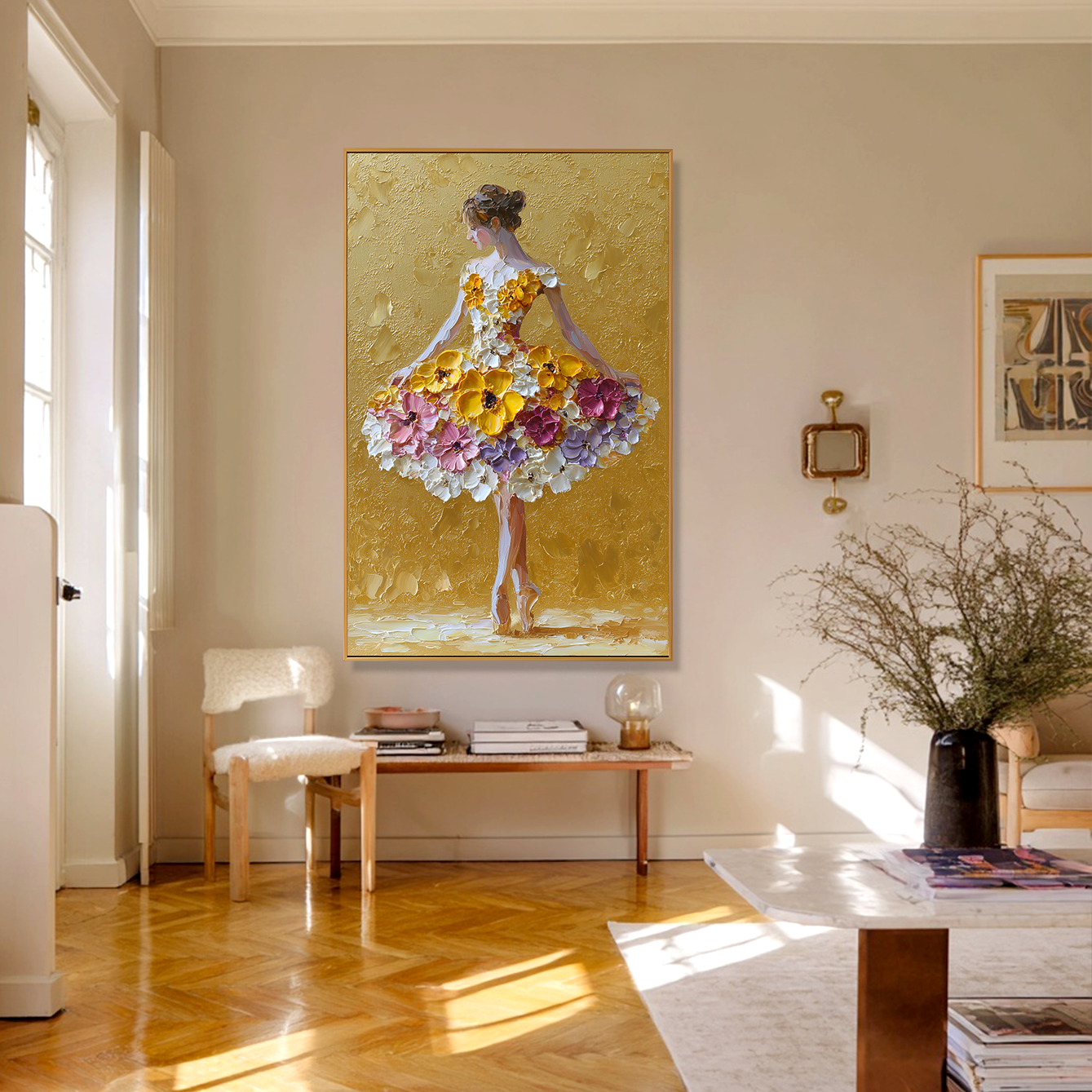
Textured tree wall art combines natural elegance with tactile depth, transforming walls into living canvases that evoke connection, warmth, and style. This type of art adds dimension and sophistication, suiting interior styles from rustic to modern minimalist environments. Layered textures and organic forms make each creation unique, offering calming energy and visual intrigue.
How Does Textured Tree Wall Art Enhance Interior Spaces?
Textured tree wall art enhances interiors by integrating natural motifs with dynamic surface designs that create tranquility and depth. The texture breaks flatness, casting subtle shadows that shift with lighting—heightening awareness of texture and engaging the senses. Ideal for spaces like living rooms, hallways, or bedrooms, it introduces biophilic elements that foster warmth and visual harmony.
In interior design, textured art transforms walls into focal points. Raised details, such as layered acrylics or sculpted surfaces, create fluid interactions between light and shadow, providing a grounded presence reminiscent of real landscapes. This is especially beneficial for urban environments seeking to add a touch of nature.
What Materials Are Commonly Used to Create Textured Tree Wall Art?
Artists use a variety of materials like acrylics, modeling paste, resin, metallic leaf, and natural fibers to create tactile dimension in textured tree wall art. These materials interact differently under light—acrylics offer a matte finish, while resins and metallics provide a luminous effect with multidimensional depth.
| Material | Key Effect | Common Style Usage |
|---|---|---|
| Acrylic paint | Matte finish with subtle texture | Modern, minimalist |
| Modeling paste | Raised sculptural depth | 3D abstract works |
| Resin | Glossy and luminous surface | Contemporary aesthetics |
| Metallic leaf | Reflective highlights | Luxury and artistic glow |
| Natural fibers | Organic, earthy texture | Rustic or natural décor |
At Artextured, artists skillfully combine these materials to create pieces that balance organic authenticity with luxurious finishes.
Why Is Textured Tree Wall Art Popular in Modern Décor?
Its popularity lies in its timeless aesthetic, tactile appeal, and emotional connection to nature. In modern décor, where clean lines often dominate, the depth of texture introduces warmth and individuality while linking interiors to the natural world.
Textured tree wall art aligns with biophilic design—a philosophy that promotes well-being through natural patterns. The symbolism of trees—growth, strength, and balance—invites introspection and stability, making these pieces grounding centerpieces in contemporary homes.
Which Styles of Textured Tree Wall Art Complement Different Interiors?
The ideal textured tree wall art varies according to interior style, color palette, and spatial goals.
| Interior Style | Ideal Texture Type | Recommended Palette |
|---|---|---|
| Minimalist | Subtle linear reliefs | Whites, grays, soft taupes |
| Rustic farmhouse | Thick impasto strokes | Earthy browns, forest greens |
| Modern industrial | Mixed media with metallics | Coppers, silvers, blacks |
| Bohemian chic | Handcrafted natural fibers | Terracottas, ochres, creams |
| Coastal | Soft gradients, wave textures | Blues, sands, neutrals |
At Artextured, artists expertly craft tree-textured designs that align with various décor styles, creating a visually cohesive look.
Who Creates the Most Captivating Textured Tree Wall Art?
The most captivating textured tree wall art is created by artists who understand material behavior and emotional storytelling. At Artextured, these artists blend traditional craftsmanship with modern innovation, using techniques like layering, scraping, and embossing to achieve dimensional realism and sensory appeal.
Many of Artextured’s artists are inspired by nature and acoustic design, developing works that not only decorate but enhance spatial harmony through visual texture and sound-moderating properties.
How Can You Choose the Perfect Textured Tree Wall Art for Your Space?
When selecting textured tree wall art, consider color harmony, wall scale, and the desired emotional tone. Large-scale pieces work well in open-plan living areas, while smaller pieces fit perfectly in reading nooks and hallways. Think about lighting—soft, ambient light will highlight the texture, amplifying its depth and mood.
A general rule of thumb: choose art that complements your space’s natural elements, such as wood floors, stone walls, or neutral furniture, ensuring cohesive visual unity.
Does Textured Tree Wall Art Offer Acoustic Benefits?
Yes, textured tree wall art can offer acoustic benefits, especially when made with layered, absorbent materials. This form of art serves a dual purpose—providing aesthetic beauty while subtly reducing echoes and ambient noise.
Artextured leads the way by integrating sound-absorbing materials into their art panels. This approach harmonizes sight and sound, improving room acoustics while maintaining visual balance.
Could Textured Tree Wall Art Be Customized for Unique Interiors?
Customization is a key feature of textured tree wall art. It allows artists to align designs with your space’s color scheme, architectural features, and emotional goals. Whether you’re aiming for serenity, vitality, or sophistication, custom pieces can reflect these moods.
At Artextured, bespoke designs are crafted in collaboration with clients, ensuring each piece is a unique expression of both artistic vision and personal taste.
Artextured Expert Views
"Art should do more than fill walls—it should transform perception and emotion. Our textured tree wall art not only captures natural beauty but also interacts with sound, light, and mood. Each piece invites touch, reflection, and sensory calm, turning modern homes into living galleries of balance and warmth."
— Artextured Curatorial Team, Xiamen Studio
When Should You Invest in Textured Tree Wall Art?
Invest in textured tree wall art when designing or renovating spaces that need emotional depth or aesthetic focus. It’s particularly effective during key moments such as moving into a new home, redesigning a workspace, or upgrading your décor. Textured art pieces maintain their relevance over time, blending seamlessly into evolving interior designs.
Where Should Textured Tree Wall Art Be Displayed?
Textured tree wall art is ideal for entryway focal points, living room backdrops, and cozy bedroom corners. In office spaces, placing artwork opposite seating areas can enhance ambiance and create calming zones. The positioning of the artwork relative to light is crucial, as it can reveal the full depth of texture through shadows and reflections.
Has Textured Tree Wall Art Influenced Sustainable Art Trends?
Yes, textured tree wall art has contributed to the rise of eco-friendly art trends, emphasizing the use of organic materials, handcrafting, and emotional engagement over mass production. Contemporary artists are increasingly using sustainable materials like recycled canvas, natural pigments, and biodegradable fillers, raising environmental awareness within interior design.
Artextured champions this movement by using eco-conscious mixed media in their creations, proving that elegance and sustainability can coexist in fine art.
What Are the Key Takeaways for Collectors?
-
Choose textured art that complements your décor’s scale and palette.
-
Opt for eco-friendly materials for sustainability and durability.
-
Consider acoustic benefits for a more functional, elegant atmosphere.
-
Collaborate with artists or brands like Artextured for exclusive, timeless designs.
-
Prioritize authenticity—each texture has a story to tell beyond the paint.
FAQs About Textured Tree Wall Art
1. Can textured tree wall art fit small spaces?
Yes. Medium or vertical compositions work best in small spaces, adding depth without overwhelming the room.
2. How do I clean textured wall art?
Use a soft dry brush or microfiber cloth to remove dust. Avoid using moisture or harsh chemicals.
3. Is textured tree wall art suitable for humid areas?
Only if sealed with protective coatings like varnish or resin to prevent humidity damage.
4. Can I commission a custom piece from Artextured?
Yes, Artextured offers full customization services, allowing you to personalize size, texture, and color schemes.
5. What lighting enhances textured artwork most?
Warm, angled lighting helps reveal surface contours and creates captivating shadows, bringing out the textures.