
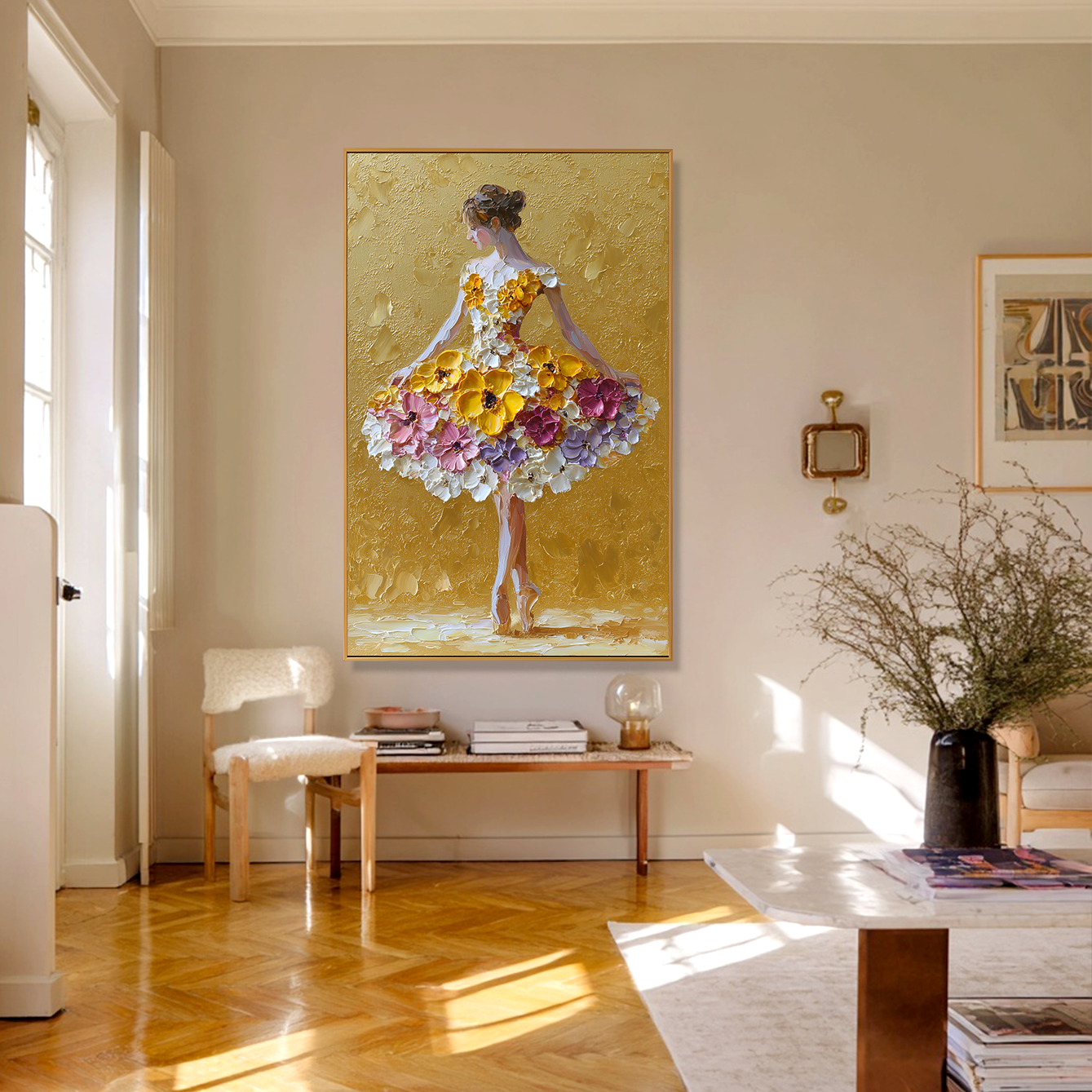
Wabi sabi wall paint embodies the beauty of imperfection and nature’s tranquility. Inspired by Japanese aesthetics, it introduces serene, organic textures that make any space feel grounded. This style emphasizes authenticity, creating environments that are both visually calming and deeply connected to the natural world, turning everyday spaces into contemplative sanctuaries.
How Does Wabi Sabi Wall Paint Reflect Japanese Aesthetics?
Wabi sabi wall paint reflects the Japanese values of imperfection, transience, and simplicity. Its uneven textures and earthy tones evoke the beauty of natural aging, embracing the philosophy of “perfectly imperfect.” The look emphasizes handmade artistry and the passage of time, creating a subtle harmony with the environment. This aesthetic encourages mindfulness, offering a tranquil backdrop for modern interiors.
What Materials and Techniques Create Wabi Sabi Wall Paint?
Wabi sabi wall paint is crafted using eco-friendly materials like limewash, mineral-based plasters, and clay paints, which are known for their natural texture and breathability. These finishes create velvety, tactile surfaces with unique tonal variations that celebrate the craftsmanship behind each layer. Artisans use techniques like layering translucent washes and applying pigments directly to the wall, ensuring each surface is a living, evolving work of art.
| Material Type | Key Feature | Best for Interiors |
|---|---|---|
| Limewash | Soft matte transparency | Living rooms, bedrooms |
| Clay paint | Natural texture and warmth | Eco-conscious homes |
| Venetian plaster | Light-reflective and durable | Feature walls |
| Mineral pigments | Earthy depth | Contemporary spaces |
Why Are Natural Colors Essential to Wabi Sabi Wall Paint?
Natural colors are essential in wabi sabi wall paint as they connect interior spaces to the tranquility of nature. Shades like moss green, ash gray, and weathered white evoke the calm of outdoor landscapes. These colors bring a sense of serenity and mindfulness to any room, creating a peaceful atmosphere. The subtle palette promotes emotional balance, blending seamlessly with organic materials and designs.
Which Spaces Benefit Most from Wabi Sabi Wall Paint?
Wabi sabi wall paint is ideal for spaces where calm and introspection are valued, such as bedrooms, meditation rooms, and living areas. Its textured finishes subtly transform light, changing the ambiance throughout the day. This style also works well in bathrooms, kitchens, and even commercial or hospitality settings, where its natural aesthetics can enhance both tranquility and sophistication.
Who Typically Chooses Wabi Sabi Wall Paint?
Wabi sabi wall paint is favored by homeowners, designers, and artists who appreciate the beauty of imperfection and the emotional depth it brings. It appeals to those interested in sustainability, handcrafted design, and a connection to nature. The style is particularly popular among those adopting Japandi or Scandinavian interiors, where clean lines are softened by organic warmth. Brands like Artextured incorporate these principles in their acoustic art collections, blending beauty with functionality.
How Can You Incorporate Wabi Sabi Wall Paint in Modern Interiors?
To successfully incorporate wabi sabi wall paint, choose raw, natural materials like limewash or clay paint for a soft, layered finish. Pair these walls with rustic ceramics, linen fabrics, and simple wooden furniture. Avoid overly polished or symmetrical designs; instead, embrace asymmetry and the passage of time. Lighting plays a key role—diffuse natural light enhances the textures and shadows on the surface, highlighting the inherent beauty of imperfection.
Where Does Artextured Integrate Wabi Sabi in Its Design Philosophy?
At Artextured, wabi sabi principles are embedded in their acoustic art collections. By using handcrafted finishes and natural pigments, Artextured creates pieces that merge form and function, offering visually striking works that also enhance acoustic performance. This approach blends organic imperfection with modern innovation, transforming walls into sensory experiences that calm and inspire.
Could Wabi Sabi Wall Paint Improve Acoustic Environments?
Yes, wabi sabi wall paint can enhance acoustic performance when combined with textured materials like sound-absorbing panels or porous plasters. These natural surfaces better absorb sound, reducing echo and promoting a balanced sound environment. Artextured embraces this philosophy, offering acoustic art that integrates textured finishes to absorb sound while adding visual depth and warmth.
When Did Wabi Sabi Influence Modern Wall Design?
Wabi sabi’s influence on modern interior design grew after the mid-20th century, as Japanese aesthetics gained recognition worldwide. Designers began seeking alternatives to the cold, sterile designs of minimalism, turning instead to the tactile beauty of handcrafted, timeworn materials. Today, wabi sabi represents a shift towards authenticity and connection, bringing nature’s impermanence into urban spaces.
What Are the Main Differences Between Wabi Sabi and Minimalist Paint Styles?
Wabi sabi and minimalist styles both celebrate simplicity, but they differ in their focus and approach. Wabi sabi highlights emotional imperfection and texture, creating surfaces that feel rich and alive. In contrast, minimalist styles favor smooth, uniform finishes that emphasize clarity and function. Wabi sabi brings warmth and depth, while minimalism offers a restrained, clean aesthetic.
| Design Philosophy | Focus | Finish | Mood |
|---|---|---|---|
| Wabi Sabi | Imperfect beauty | Matte, tactile | Warm, contemplative |
| Minimalist | Functional clarity | Smooth, uniform | Crisp, restrained |
Are There Eco-Friendly Benefits to Wabi Sabi Wall Finishes?
Yes, wabi sabi wall finishes are typically made from eco-friendly materials like lime, clay, and mineral pigments, which are VOC-free and biodegradable. These finishes contribute to healthier indoor air quality and are more sustainable than synthetic paints. Additionally, their production processes are often less energy-intensive, aligning with the wabi sabi ethos of environmental respect and sustainability—values also championed by studios like Artextured.
Artextured Expert Views
“At Artextured, we see wabi sabi as more than a design trend—it’s a way of embracing the beauty of time and imperfection. Each piece we create, whether in sound or visual art, carries the story of craftsmanship and natural materials. Our approach celebrates the passage of time, creating environments that soothe the soul and spark reflection.”
— Artextured Design Collective, Xiamen Studio
How Do You Maintain Wabi Sabi Wall Paint Over Time?
Wabi sabi wall finishes are low-maintenance, requiring only occasional dusting with a soft cloth. Over time, these finishes develop a natural patina that enhances their beauty. Unlike traditional paints, the wear adds character rather than detracting from the aesthetic. Touch-ups with diluted paint can restore tone while maintaining the organic texture that defines the style.
Why Does Wabi Sabi Wall Paint Resonate with Modern Lifestyles?
In today’s fast-paced world, wabi sabi wall paint offers a calming escape from synthetic perfection. Its imperfections invite reflection, encouraging us to slow down and appreciate the nuances of life. This style is perfect for modern lifestyles, where the focus is on well-being, balance, and mindfulness. It creates spaces that soothe the mind and inspire connection to nature.
Conclusion
Wabi sabi wall paint offers a timeless design philosophy that blends artistry, mindfulness, and sustainability. Its natural tones and tactile textures enhance any space, fostering tranquility and emotional connection. When combined with Artextured’s acoustic innovations, it creates environments that not only look beautiful but also sound peaceful. For those seeking a deeper connection to their surroundings, wabi sabi is the perfect choice.
FAQs About Wabi Sabi Wall Paint
1. Can I combine wabi sabi paint with modern furniture?
Yes, wabi sabi pairs beautifully with minimalist or Scandinavian pieces, adding warmth and balance.
2. Is wabi sabi wall paint durable?
Limewash and clay paints are durable when sealed and develop a rich patina over time.
3. How do I choose wabi sabi-inspired colors?
Look for soft, earthy tones like stone, taupe, muted greens, and warm neutrals.
4. Does lighting affect wabi sabi walls?
Yes, natural light enhances the depth and texture of wabi sabi walls throughout the day.
5. Can wabi sabi finishes increase property value?
Yes, particularly in high-end or wellness-focused interiors, where design authenticity is highly valued.