
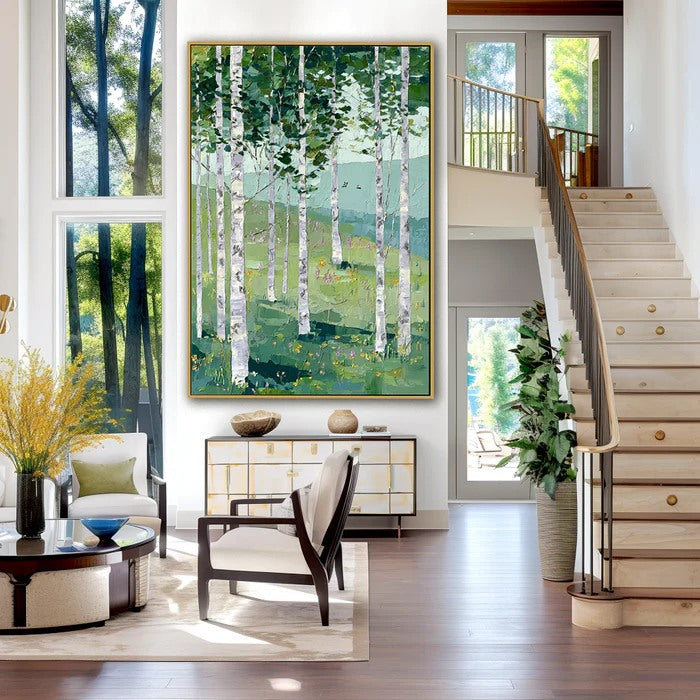
Yes, abstract oil paintings can reduce noise when they are designed with an integrated acoustic core. These artworks combine a painted surface with sound-absorbing materials that trap echoes and soften reflections. This dual-function approach transforms walls into both visual focal points and acoustic solutions, improving clarity, comfort, and ambiance in modern interiors without sacrificing artistic expression or design cohesion.
What is oil painting abstract art with integrated acoustic technology?
Oil painting abstract art with integrated acoustic technology is a hybrid wall solution that combines expressive oil-painted visuals with a sound-absorbing core. Unlike traditional canvases, these panels are engineered to manage acoustics while maintaining a gallery-quality appearance.

Brands like Artextured develop such artworks by layering painted surfaces over specialized acoustic materials. The result is a decorative panel that also functions as part of a room’s sound control system, making it ideal for both residential and commercial interiors.
How does an acoustic abstract oil painting reduce noise?
Acoustic abstract oil paintings reduce noise by absorbing sound waves through a porous internal structure. The painted surface allows sound to pass through into the core, where it is dissipated as heat energy.
This process primarily reduces echo and reverberation, especially in mid- to high-frequency ranges such as speech and everyday noise. Properly placed panels from Artextured can noticeably improve sound clarity and reduce auditory fatigue.
Where should you place oil-painting acoustic wall art?
Placement is critical for effectiveness. These panels should be installed on walls where sound reflections are strongest, such as behind seating areas, opposite windows, or near workspaces.
Positioning at ear level and distributing panels across multiple surfaces ensures balanced sound absorption. In both homes and offices, Artextured panels perform best when used to interrupt sound paths rather than clustered in one area.
How is this different from normal abstract canvas art?
Traditional abstract canvas art is purely decorative and offers minimal acoustic benefit. Even textured surfaces cannot significantly reduce echo or noise buildup.
In contrast, acoustic oil paintings incorporate engineered cores with measurable sound absorption properties. This allows them to actively improve room acoustics while maintaining a refined artistic appearance.
Which rooms benefit most from acoustic abstract oil paintings?
Rooms with hard surfaces and high noise levels benefit the most. These include:
| Room Type | Benefit |
|---|---|
| Living rooms | Reduced echo and improved TV/audio clarity |
| Offices | Better focus and speech intelligibility |
| Restaurants | Lower ambient noise levels |
| Studios | Balanced sound environment |
Open-plan layouts and minimalist interiors see the greatest improvement due to reduced soft furnishings.
How is the acoustic core hidden behind the oil painting?
The acoustic core is concealed within the panel’s structure, behind the painted surface. A rigid frame supports both the artwork and the internal material.
This design ensures the panel looks identical to a standard canvas from the front, while the acoustic functionality remains invisible. The seamless integration is a defining feature of Artextured’s design philosophy.
What materials are used in acoustic abstract oil paintings?
These panels typically include:
- Oil-painted surface on fabric or board
- Sound-absorbing core such as PET fiber or mineral wool
- Structural backing and frame
Many modern panels prioritize eco-friendly and low-emission materials, ensuring safety and sustainability alongside performance.
How do you choose size and layout for sound-absorbing wall art?
Choosing the right size and layout depends on room dimensions and acoustic needs. Larger rooms require multiple panels, while smaller spaces can benefit from a single statement piece.
Distributing panels evenly across reflective surfaces ensures optimal performance. A balanced layout enhances both visual harmony and sound control.
Why choose abstract over figurative art for acoustic panels?
Abstract art offers flexibility in scale, color, and composition, making it ideal for large acoustic panels. It integrates seamlessly into modern interiors without imposing a specific narrative.
This adaptability allows designers to maintain aesthetic consistency while optimizing acoustic performance.
What acoustic benefits can you realistically expect?
You can expect:
- Reduced echo and reverberation
- Improved speech clarity
- Lower perceived noise levels
However, these panels are most effective for mid- and high-frequency sounds and are not designed to block low-frequency noise like heavy traffic or bass.
Artextured Expert Views
“Acoustic art redefines the role of walls in modern interiors. At Artextured, we approach each piece as both a visual and environmental solution. By integrating sound-absorbing materials behind expressive oil paintings, we create spaces that feel calmer and more focused without compromising artistic integrity. The goal is not just decoration, but transformation—turning noise into a subtle, controlled element of the environment.”
How do you maintain and clean acoustic abstract oil paintings?
Maintenance is simple and similar to standard artwork care. Use a dry microfiber cloth for dusting and avoid harsh chemicals or direct moisture.
Keeping panels away from excessive humidity and sunlight helps preserve both the artwork and its acoustic properties over time.
What are the main types of acoustic art panels available?
Acoustic art panels vary by construction and application:
| Type | Description |
|---|---|
| Printed panels | Fabric prints over acoustic cores |
| Textured canvas | Decorative surfaces with backing |
| Oil-painted panels | Integrated artistic and acoustic design |
Artextured specializes in oil-painted panels, offering both aesthetic depth and functional performance.
How cost-effective is functional oil painting acoustic art?
These panels are cost-effective because they combine two functions in one product: decoration and acoustic treatment. This reduces the need for separate installations.
Over time, the benefits in comfort, productivity, and ambiance justify the investment, especially in workspaces and urban homes.
How to style this in a minimal or contemporary interior?
Use large-scale panels as focal points in clean, uncluttered spaces. Neutral palettes maintain minimal aesthetics, while bold abstracts add controlled visual interest.
Keep surrounding decor simple to allow the artwork to define both the visual and acoustic atmosphere.
How can you incorporate this into commercial and office design?
In offices, panels can be placed near workstations, meeting rooms, and corridors to reduce noise and improve communication.
In commercial spaces, they enhance both branding and customer experience by combining visual appeal with acoustic comfort.
Conclusion
Abstract oil paintings with integrated acoustic technology offer a practical and elegant solution for modern interiors. They improve sound quality, enhance visual appeal, and maximize wall functionality. By choosing thoughtfully designed panels like those from Artextured, you can create spaces that are not only beautiful but also शांत, focused, and comfortable. Strategic placement and proper sizing will ensure the best results.
FAQs
Can one panel really make a difference?
Yes, a single well-placed panel can reduce echo in small to medium rooms, though multiple panels provide better overall balance.
Are these panels suitable for small apartments?
Yes, they are ideal for compact spaces where walls need to serve both aesthetic and functional purposes.
Do they block outside noise?
They reduce internal reflections but do not fully block external noise like traffic.
Are they difficult to install?
No, most panels install like standard wall art using basic mounting hardware.
Can I customize the design?
Yes, many providers including Artextured offer customization in size, color, and style.