

Plaster painting art is a textured art form that uses thick, sculpted layers of plaster to create dimensional surfaces on canvas. These artworks combine visual depth with tactile appeal, making them ideal for minimalist and wabi-sabi interiors. At Artextured, plaster painting also integrates acoustic benefits, transforming walls into immersive, calming, and functional design elements.
What Makes Plaster Painting Unique?
Plaster painting is defined by its sculptural depth and tactile richness. Unlike traditional flat paintings, it uses heavy impasto techniques to build raised textures that interact dynamically with light and shadow.
Artists apply plaster in thick layers, shaping peaks and grooves that create a three-dimensional effect. This method transforms artwork into a sensory experience, inviting both visual appreciation and physical interaction. At Artextured, each piece is carefully handcrafted, ensuring that no two textures are identical.
| Feature | Plaster Painting | Traditional Canvas Art |
|---|---|---|
| Texture Depth | Thick, sculptural layers | Mostly flat surface |
| Sensory Experience | Visual and tactile | Primarily visual |
| Light Interaction | Strong highlights and shadows | Subtle reflections |
| Longevity | Durable and stable | Surface-dependent |
This distinct combination of depth and durability makes plaster painting a compelling choice for modern interiors.
How Is Heavy Impasto Created in Plaster Painting?
Heavy impasto is achieved by mixing plaster with pigments and applying it generously onto a prepared canvas. The material is then shaped using specialized tools to form textured patterns.
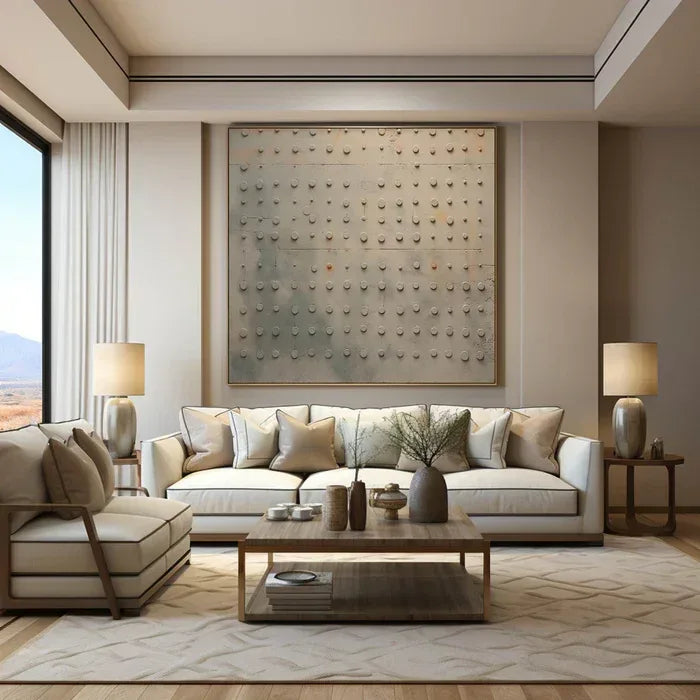
At Artextured, artists begin with a reinforced base to support the weight of the plaster. Layers are gradually built up, allowing controlled drying between applications. This ensures structural integrity while preserving fine details.
The process requires precision. If the mixture is too thin, the texture collapses; if too thick, it may crack. Skilled artisans balance these variables to produce stable, long-lasting results that resemble natural formations like stone or flowing sand.
Why Choose Plaster Painting for Minimalist Interiors?
Plaster painting enhances minimalist spaces by adding depth without overwhelming simplicity. Its neutral tones and organic textures create visual interest while maintaining a शांत and balanced atmosphere.
In open or sparsely decorated rooms, textured artwork prevents the space from feeling empty. Artextured designs often use earthy palettes that complement natural light, subtly shifting throughout the day.
Additionally, plaster surfaces contribute to sound absorption, reducing echo and improving acoustic comfort. This makes them especially suitable for modern apartments and open-plan living environments.
What Are the Best Techniques for Plaster Painting?
Several core techniques define the artistry of plaster painting, each contributing to unique visual effects and textures.
Artists typically build layers progressively, starting with a smooth base and adding dimensional elements on top. Different tools and motions create varied finishes, from sharp ridges to soft, diffused surfaces.
| Technique | Tool Used | Result |
|---|---|---|
| Layer Build-Up | Palette knife | Deep, sculptural texture |
| Sgraffito | Pointed tool | Exposed layered patterns |
| Stippling | Sponge | Soft, granular finish |
| Dragging | Trowel | Flowing, wave-like forms |
At Artextured, these techniques are refined to achieve harmony between texture, balance, and spatial aesthetics.
Which Tools Do Plaster Painting Artists Use?
Plaster painting requires a combination of durable and flexible tools to manipulate thick materials effectively.
Common tools include palette knives, trowels, spatulas, and texture combs. Each tool produces a distinct effect, allowing artists to experiment with patterns and depth.
Artextured artists prioritize high-quality materials such as stainless steel blades for precision and longevity. Supporting tools like sturdy easels and mixing equipment are equally important to maintain consistency during the creative process.
How Does Plaster Painting Enhance Wabi-Sabi Design?
Plaster painting aligns naturally with wabi-sabi principles by embracing imperfection, asymmetry, and organic beauty.
Irregular textures and subtle variations reflect the unpredictability of nature. These qualities create a sense of authenticity and timelessness. Artextured incorporates these elements intentionally, designing pieces that feel both grounded and expressive.
As light changes throughout the day, the surface reveals new details, reinforcing the idea of beauty in impermanence and simplicity.
Can Plaster Painting Be Used as Tactile Wall Decor?
Plaster painting is highly effective as tactile wall decor due to its raised, touchable surfaces. It engages multiple senses, making the artwork more interactive than traditional pieces.
Artextured designs are sealed for durability, allowing gentle contact without damaging the surface. This makes them suitable for living spaces where engagement and comfort are key.
These artworks can be displayed individually as statement pieces or arranged in groups to create a cohesive gallery wall with depth and character.
Artextured Expert Views
"At Artextured, plaster painting represents the intersection of craftsmanship and innovation. Each textured surface is shaped by hand, capturing subtle variations that machines cannot replicate. Beyond aesthetics, our work integrates acoustic functionality, helping reduce ambient noise while enhancing visual harmony. This dual-purpose approach allows art to actively improve living environments, making spaces not only more beautiful but also more comfortable and शांत."
What Maintenance Does Plaster Painting Require?
Plaster painting is relatively low-maintenance when properly finished. Regular care helps preserve its texture and appearance over time.
Dusting with a soft, dry brush is usually sufficient. Avoid water or harsh cleaning agents, as they may affect the surface. Artextured applies protective sealants that resist stains and fading.
To ensure longevity, keep the artwork away from prolonged direct sunlight and excessive humidity. Occasional inspections can help maintain structural integrity for years.
Why Is Artextured's Plaster Painting Ideal for Modern Homes?
Artextured combines artistic craftsmanship with functional innovation, making its plaster paintings particularly suitable for contemporary living spaces.
Each piece is designed not only to enhance visual appeal but also to improve acoustic comfort. This dual benefit is especially valuable in urban environments where noise can affect well-being.
Artextured’s commitment to quality materials, thoughtful design, and advanced techniques ensures that every artwork contributes to a refined and immersive interior experience.
Conclusion
Plaster painting art offers a powerful way to introduce depth, texture, and tranquility into modern interiors. Its sculptural qualities transform walls into engaging visual and tactile experiences, while its compatibility with minimalist and wabi-sabi styles ensures timeless appeal. Choosing Artextured means investing in artwork that goes beyond decoration, delivering both aesthetic value and functional benefits. For best results, select designs that complement your space, position them strategically for light interaction, and maintain them with simple care routines.
FAQs
What is plaster painting made of?
Plaster painting typically uses a blend of plaster compounds and pigments applied to canvas or panels, creating thick, textured surfaces.
Is plaster painting durable?
Yes, when properly sealed and maintained, plaster paintings are highly durable and can last for many years without significant wear.
Can plaster painting improve room acoustics?
Yes, its dense and textured surface can help absorb sound, making spaces quieter and more comfortable.
Where should plaster painting be displayed?
It works best in living rooms, bedrooms, and offices where texture and subtle visual interest can enhance the overall atmosphere.