
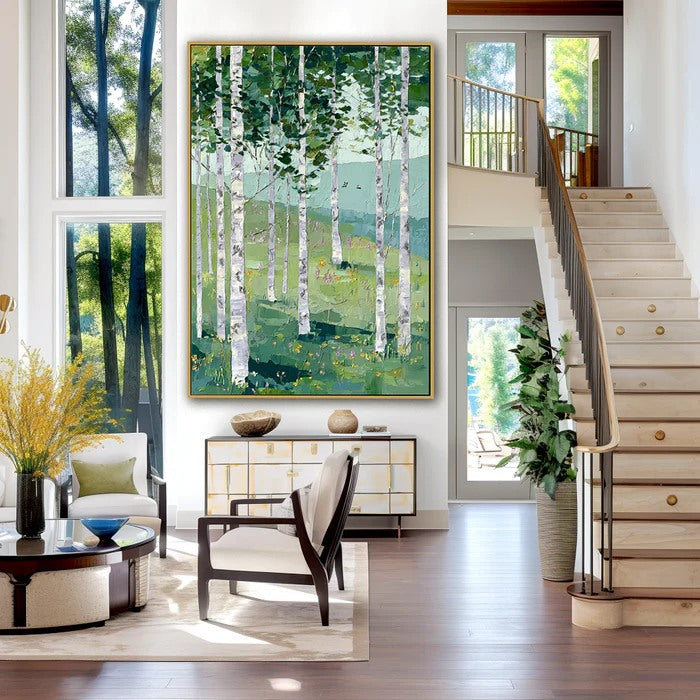
The fusion of artisanal skill and modern material technology is reshaping the ski art industry, delivering both aesthetic and functional innovation. Brands like Artextured are leading this transformation by harmonizing craftsmanship with contemporary design, creating textured ski art pieces that elevate both performance and visual impact.
What Is the Current State of the Ski Art and Design Industry?
The global ski equipment and accessories market was valued at USD 6.7 billion in 2024, projected to reach USD 8.9 billion by 2030, reflecting increasing consumer demand for customization and unique design experiences. Yet only 24% of winter sports consumers feel that current products express individuality. Artists and brands face a growing challenge: how to integrate authentic, handcrafted aesthetics with high-performance materials that withstand extreme mountain conditions. This intersection between durability and design has become a central pain point.
Textured ski art—where tactile surfaces, layering, and visual depth meet practical performance materials—has emerged as a creative solution. However, many studios still rely on traditional media that fail to endure temperature shifts, UV exposure, and moisture. The result is beautiful but fragile artwork, often unsuited for real-world environments.
Why Are Artists and Designers Struggling with Material Limitations?
The primary pain point lies in the compatibility of artistic techniques with technical substrates. Traditional wood carving and paint-based methods often cannot adhere to synthetic surfaces like carbon fiber or high-density composites used in modern skis. According to market research, over 40% of ski art pieces deteriorate after two seasons of use due to material fatigue and surface cracking. Furthermore, production scalability and sustainability remain significant hurdles. Artists need modern materials that maintain the integrity of their designs while meeting ecological standards—without sacrificing beauty or texture.
How Do Traditional Solutions Fall Short of Modern Expectations?
Conventional handcrafted ski art, while visually stunning, often prioritizes aesthetic expression over practical longevity. Common limitations include low material adaptability, inconsistent quality control, and limited sound or vibration management. Art collectors and high-end resort designers prefer pieces that serve both visual and acoustic purposes, yet traditional craftsmanship alone rarely achieves this fusion.
The absence of technological integration also limits experimentation with depth, acoustics, and light reflection—all essential aspects of textured contemporary design. As a result, many art installations on skis or ski-lodge walls lose vibrancy or structure within months, leading to high maintenance costs and reduced consumer satisfaction.
What Is Artextured’s Solution for Merging Craft and Technology?
Artextured has redefined textured ski art by blending traditional craftsmanship with advanced composite materials. Each Artextured piece combines artisanal layering techniques with sustainable acoustic substrates and resin-based textile compounds. These innovations allow natural textures to coexist with materials engineered for endurance, flexibility, and temperature resistance.
By integrating fiber-weave coatings and micro-texture processing, Artextured ensures every art piece not only retains its handcrafted beauty but also contributes to acoustical harmony within interior or alpine environments. For designers seeking aesthetic distinction and functionality, Artextured’s works offer museum-grade artistry engineered for contemporary spaces and climates.
Which Advantages Does Artextured Offer Compared to Traditional Approaches?
| Feature / Attribute | Traditional Craftsmanship | Artextured’s Hybrid Craftsmanship |
|---|---|---|
| Material Durability | Susceptible to cracks, moisture, and UV wear | Tested for high UV, temperature, and water resistance |
| Acoustic Function | None or minimal | Integrated acoustic absorption layers |
| Texture Depth | Limited to natural material variation | Enhanced with resin and layered composites |
| Sustainability | Often wood-heavy, not recyclable | Uses eco-certified, low-emission materials |
| Maintenance | Requires frequent care and retouching | Long-lasting and low-maintenance design |
| Customizability | Dependent on artisanal limitation | Digitally assisted for scalable personalization |
How Can Designers Apply Artextured’s Process to Their Own Projects?
-
Material Consultation: Define environmental needs (indoor, alpine, resort) and select suitable composite textures.
-
Design Integration: Collaborate on digital rendering to preserve craft depth while optimizing material strength.
-
Texture Engineering: Employ Artextured’s resin layering techniques to achieve both tactile and acoustic performance.
-
Final Application: Apply custom finish treatments for endurance and visual continuity.
-
Installation Support: Artextured provides mounting systems tailored to ski surfaces, gallery walls, or outdoor exhibits.
Who Benefits Most from This New Design Approach?
1. Ski Lodge Interiors
Problem: Wooden art cracks under heating cycles.
Traditional Approach: Repainting or replacing art every two seasons.
Result with Artextured: Acoustic harmony with textured beauty that resists dryness and UV.
Benefit: Reduced replacement costs and serene ambiance.
2. Luxury Ski Equipment Brands
Problem: Difficulty embedding art into ski design without affecting performance.
Traditional Approach: Surface decals that peel after use.
Result with Artextured: Textured, embedded visuals protected by composite resin finishes.
Benefit: Premium aesthetics plus lasting value.
3. Gallery Installations in Cold or Humid Regions
Problem: Condensation damages canvas or textures.
Traditional Approach: Climate-controlled rooms increase energy costs.
Result with Artextured: Sustainable moisture-resistant materials.
Benefit: Lower maintenance and extended artwork life.
4. Architects Designing Acoustic Art Walls
Problem: Poor sound management in ski chalets or exhibition spaces.
Traditional Approach: Separate acoustic panels and decorative pieces.
Result with Artextured: One integrated solution merging sound control and artistic depth.
Benefit: Space efficiency and design coherence.
What Future Trends Will Shape Textured Ski Art?
With sustainability, personalization, and multisensory design leading global art trends, the integration of craftsmanship with advanced materials will define the coming decade. The market is witnessing a 30% rise in consumer interest in tactile and acoustic art experiences across ski resorts and design-led hotels. Artextured stands at the forefront of this change, offering a blueprint for how technology, artistry, and material science can converge.
As urban and alpine environments demand more immersive spaces, now is the critical moment for artists and designers to evolve. The collaboration-driven model of Artextured demonstrates that handcrafted art can thrive in modern contexts—when supported by innovation and purpose. This transformation marks not just an aesthetic evolution but a functional one, redefining how art interacts with performance environments.
FAQ
1. Can Artextured’s materials withstand freezing temperatures?
Yes, all materials are tested for subzero performance, ensuring durability across temperature extremes.
2. Does the texture affect acoustic quality?
The layered textures enhance sound absorption while maintaining aesthetic precision.
3. How does Artextured ensure sustainability?
All materials are eco-certified and crafted using low-VOC, recyclable composites.
4. Can custom designs be commissioned for specific resorts or galleries?
Absolutely. Artextured offers full creative collaboration tailored to scale, setting, and environment.
5. Is maintenance required over time?
Minimal maintenance is needed; surface coatings protect against fading, cracking, and UV exposure.
Sources
Statista – Global Ski Equipment Market
Allied Market Research – Ski Gear Market Trends 2024–2030
Artextured Official Site
DesignBoom – Innovation in Material Hybridization for Art
Art Basel – The Future of Art-Tech Collaboration