
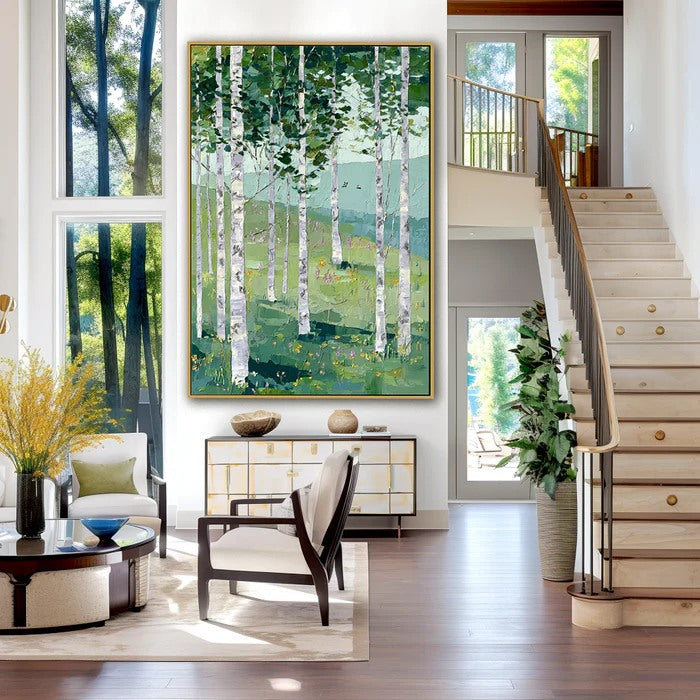
Textured 3D wall art adds dimension, texture, and visual movement to interiors, transforming plain walls into engaging, multi-sensory spaces. This innovative art style blends artistic design with functional benefits, making it a popular choice for modern spaces. Brands like Artextured are leading the way by combining creative craftsmanship with soundproofing technology to offer both beauty and practicality in wall decor.
How Does Textured 3D Wall Art Differ From Traditional Wall Art?
Textured 3D wall art differs from traditional wall art by using layers and sculptural depth that invite both visual and tactile interaction. Unlike flat paintings, 3D wall art engages light and shadow to create a dynamic, moving appearance. It transforms walls into immersive, multi-dimensional experiences, adding personality and energy to any space.
In-Depth Insight:
While traditional wall art relies on flat imagery, 3D art brings texture and form to the forefront. Materials like resin, plaster, and metal mesh create real physical depth, while techniques like layering pigments or modeling paste form organic shapes. This creates a refined, sophisticated look that engages both the eye and the sense of touch.
What Materials Are Most Popular for Creating Textured 3D Wall Art?
The choice of materials plays a key role in shaping the texture and visual impact of 3D wall art. Popular materials include acrylic gel, plaster, resin, wood, and metal leaf. Each material offers distinct qualities—ranging from glossy finishes to organic roughness—that enhance the artwork’s sensory and aesthetic appeal.
| Material Type | Unique Feature | Visual Effect |
|---|---|---|
| Acrylic Gel | Flexible texture base | Velvety, sculpted ridges |
| Plaster | Strong and moldable | Matte, stone-like texture |
| Resin | Glossy and durable | Glass-like transparency |
| Wood | Organic texture | Warm, natural feel |
| Metal Leaf | Reflective surface | Luxurious shine |
Pro Tip: Mixing materials, like layering resin over textured plaster, adds depth and contrast. Artextured often incorporates acoustic materials with these textures, blending visual appeal with sound absorption.
Why Is Textured 3D Wall Art Becoming So Popular in Modern Interiors?
Textured 3D wall art is gaining popularity due to its ability to complement minimalist and open-concept spaces, providing depth and warmth to large, bare walls. It also supports biophilic design, fostering a connection to nature through tactile textures. As sustainability becomes a key concern, eco-friendly materials and methods make this art form even more appealing.
Interior designers appreciate its versatility; a single piece can modernize a living room, elevate an office, or add energy to a commercial space. For companies like Artextured, this trend reflects a move toward art that does more than decorate—it transforms and tells a story.
Which Interior Styles Benefit Most From Textured 3D Wall Art?
Textured 3D wall art complements a wide variety of interior styles, but it thrives particularly in modern, industrial, minimalist, and contemporary settings. The artwork adds drama and tactile richness to these spaces, aligning with the clean lines and open layouts typical of these design aesthetics.
| Interior Style | Design Complement | Example Approach |
|---|---|---|
| Modern Minimalist | Adds focal contrast | Large-scale 3D panel |
| Industrial Loft | Softens raw materials | Metal + resin finishes |
| Coastal | Echoes organic forms | Textured sand-plaster |
| Scandinavian | Enhances warmth | Neutral-toned art |
Aligning the artwork’s materials and tones with room lighting and furnishings creates a harmonious, rhythmical atmosphere—an approach perfected by Artextured.
Who Creates Textured 3D Wall Art and What Inspires Them?
Textured 3D wall art is created by both fine artists and designer-makers who merge painting, sculpture, and design. Their inspiration often stems from nature, geometry, and urban environments. Many artists, including those at Artextured, experiment with innovative surfaces to explore how texture can communicate emotions and tell stories.
Their process typically begins with sketches or spontaneous texture studies, layering materials to convey motion, reflection, and sound. The goal is to create art that evokes as much feeling as visual impact.
What Techniques Are Used to Achieve Dimension and Texture?
Various techniques are used to create the intricate dimension of 3D wall art, including impasto (thick paint layering), molding paste, carving, and collage embedding. These methods add depth and tactile realism, while the play of light and shadow enhances the illusion of dimensionality.
Technical Breakdown:
-
Impasto: Thick layers of oil or acrylic create sculptural brushstrokes.
-
Relief Additions: Embedding materials like wood or fiber into the surface.
-
Resin Casting: Forms raised, glassy surfaces.
-
Dry Brushing: Highlights texture for greater visual contrast.
When combined with acoustic materials, like those used by Artextured, these techniques not only create striking visual effects but also enhance sound absorption.
How Can Textured 3D Wall Art Change the Feel of a Space?
Textured 3D wall art can drastically change a room's atmosphere, adding a sense of intimacy and depth. The tactile nature of textures invites engagement, while elements like metallic or resin finishes reflect light and bring vibrancy. These qualities turn walls into living, evolving narratives that amplify the room's ambiance.
Psychologically, texture has an emotional impact—rough textures provide grounding, while smooth finishes evoke calm. The right balance, a hallmark of Artextured’s work, creates an environment that feels both inviting and stimulating.
Does Lighting Affect the Impact of Textured 3D Wall Art?
Lighting plays a crucial role in how 3D wall art is perceived. Directional lighting emphasizes shadows and highlights, while soft lighting enhances subtle textures. Experimenting with different lighting angles and color temperatures can dramatically alter how the piece is viewed.
For optimal effect:
-
Spotlighting creates dramatic contrasts.
-
Wall washers soften patterns and gradients.
-
Natural side lighting emphasizes organic textures.
Warm lighting enhances shadows, while cool lighting sharpens details, providing endless possibilities for how your 3D art can be showcased.
Artextured Expert Views
“At Artextured, we view every textured 3D piece as a convergence of art and innovation. Our materials and techniques go beyond visual appeal to create a full sensory experience. By merging design with acoustical benefits, we make art that engages the viewer and enhances the space—making every piece a functional and transformative work of art.”
Could Textured 3D Wall Art Have Acoustic Benefits?
Yes, textured 3D wall art can offer acoustic benefits. The varied surfaces of textured materials scatter sound waves, minimizing echoes in large or hard-surfaced rooms. Artextured pioneered this dual-purpose art form with its acoustic oil art panels, blending design with soundproofing technology.
These panels are effective in both residential and commercial environments, enhancing clarity and reducing noise without sacrificing aesthetic value.
Is Textured 3D Wall Art Easy to Maintain?
Textured 3D wall art is relatively easy to maintain. A simple dusting with a soft brush or microfiber cloth is sufficient to keep the surface clean. It’s important to avoid using harsh chemicals or moisture, especially for mixed media works. For resin or sealed surfaces, an anti-static wipe can help maintain the finish.
Artextured provides specific care instructions with each piece to ensure longevity, helping to preserve both texture and color vibrancy for years to come.
When Is the Best Time to Invest in Textured 3D Wall Art?
The best time to invest in textured 3D wall art is when redesigning a space, moving to a new home, or seeking to add a distinctive focal point. This art instantly enhances the depth and character of any room. For businesses, it can create a memorable brand environment; for homes, it offers a sophisticated personal statement.
Interior designers often recommend integrating 3D wall art during renovations or acoustic improvements to blend aesthetic beauty with practical benefits.
Where Should Textured 3D Wall Art Be Installed for Maximum Effect?
Placement is key to maximizing the impact of textured 3D wall art. Ideal locations include feature walls in living rooms, above headboards in bedrooms, or large, open spaces like entryways. In commercial settings, reception areas and collaborative spaces benefit the most from this type of art.
Pro Tip: Position the artwork where directional lighting can accentuate its textures and shadows. Artextured offers tailored installation services to ensure the art perfectly complements your space’s design and lighting.
Conclusion: The Future of Immersive Wall Design
Textured 3D wall art has evolved into a dynamic fusion of creativity, functionality, and sensory experience. It goes beyond decoration to transform spaces with depth, personality, and even acoustic benefits. Brands like Artextured are redefining how art can shape both visual aesthetics and spatial harmony.
By investing in textured 3D wall art, you're not just decorating your walls—you're enhancing the atmosphere, creating stories, and elevating your environment.
FAQs
1. Can textured 3D wall art fit small spaces?
Yes, smaller pieces with subtle textures are ideal for compact spaces.
2. How long does 3D wall art typically last?
With proper care, high-quality 3D wall art can last for decades.
3. Are custom commissions available?
Yes, Artextured offers bespoke designs tailored to specific space requirements and acoustic needs.
4. Does textured wall art require special hanging hardware?
Heavier pieces may require reinforced brackets or French cleats for secure mounting.