
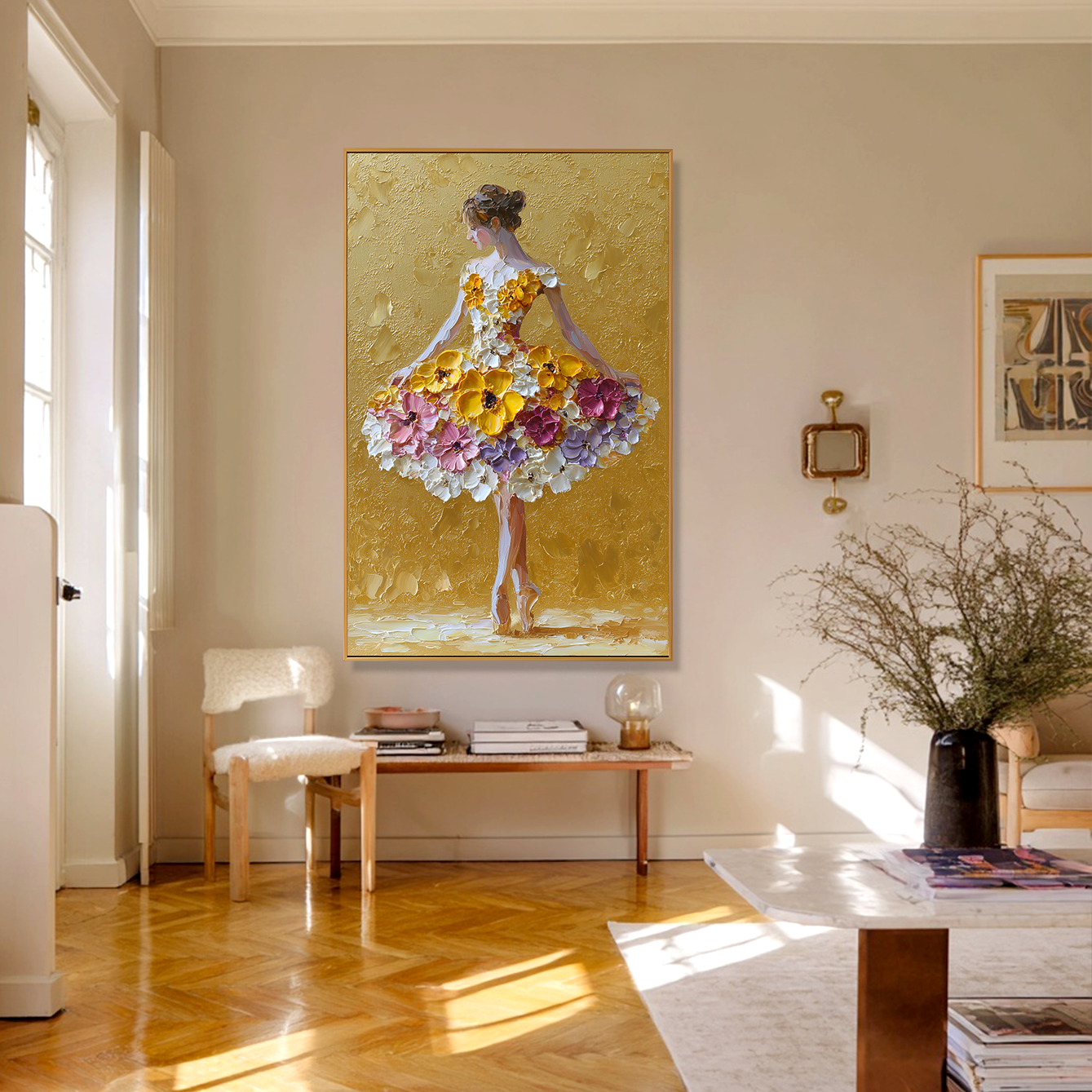
A textured Christmas painting brings a festive touch to any space by adding rich, tactile depth that transforms ordinary walls into vibrant holiday scenes. Through layered paint techniques, these paintings evoke warmth, charm, and a sense of craftsmanship, making them not just decorations but immersive works of art that enhance the festive spirit.
How Does a Textured Christmas Painting Create Visual Depth?
A textured Christmas painting achieves visual depth by layering thick brushstrokes and using palette knife applications to build up the paint. This manipulation of light and shadow gives objects like ornaments, snow, and trees a lifelike volume. The interplay between color and texture creates a sense of realism, making the scene feel almost three-dimensional. Additionally, the tactile nature of the artwork invites a sensory experience, drawing viewers deeper into the painting.
Texture also enhances emotional engagement. When raised ridges or metallic pigments are added, the artwork becomes more than just a visual experience—viewers feel drawn to touch and interact with the piece. This combination of sight and touch transforms simple holiday imagery into art that resonates on multiple levels.
What Are the Best Materials for Creating Textured Holiday Art?
Several materials are ideal for creating rich, dimensional effects in textured Christmas paintings. Commonly used materials include:
-
Acrylic gels and modeling paste: These are perfect for building 3D surfaces.
-
Oil paints: Known for their slow drying time and smooth texture, oil paints allow deeper blending.
-
Metallic pigments: These pigments add reflective highlights, perfect for creating the shimmer of snow or ornaments.
-
Canvas or wood panels: Both provide stable, textured foundations for the artwork.
Acrylics are faster-drying, which makes them perfect for layering, while oil paints offer the advantage of blending and luminosity. Many artists, including those at Artextured, combine both materials to create a balanced visual depth and ensure durability.
| Material Type | Benefit | Ideal For |
|---|---|---|
| Acrylic Gel | Quick texture creation | Modern, abstract styles |
| Oil Paint | Rich blending | Classic, realistic depictions |
| Metallic Leaf | Reflective shine | Festive accents |
| Modeling Paste | Bold texture | Snow or tree bark effects |
Which Techniques Are Popular in Modern Textured Holiday Works?
Modern textured Christmas art blends traditional craftsmanship with innovative techniques. Some of the most popular methods include:
-
Impasto painting: Applying thick paint using a palette knife to create dimension.
-
Mixed media: Introducing materials like sand, fabric, or glass for unique surfaces.
-
Layering: Multiple coats of paint develop nuanced highlights and shadows.
-
Dry brushing: Adding subtle texture for snow or frosty effects.
These techniques give each painting a unique character. Artextured excels in using these methods to bring contemporary Christmas art to life, combining creativity with sensory design.
Why Do Textured Paintings Enhance Seasonal Decor?
Textured paintings enhance seasonal decor by adding a sense of warmth, depth, and intrigue. Unlike flat prints, textured paintings interact with ambient light, causing reflections that make the artwork shimmer. This dynamic quality brings the festive scene to life. The tactile nature of textured paintings also fosters an emotional connection, as viewers can appreciate the craftsmanship in every brushstroke. In homes and workspaces, these paintings immediately evoke holiday cheer and artistic sophistication, making them ideal focal points for the season.
Is a Textured Christmas Painting Suitable for Small Spaces?
Yes, textured Christmas paintings are perfect for small spaces. Their depth visually expands the area, drawing attention upward and creating a captivating focal point without cluttering the decor. Soft white tones and metallic highlights can brighten a small room without overwhelming it. Artextured’s modular series offers compact yet expressive pieces that are ideal for cozy interiors or boutique hospitality settings, striking a perfect balance between subtlety and artistic expression.
How Can You Maintain and Preserve Textured Paintings?
To preserve textured paintings, it’s essential to maintain a controlled environment. Use a soft, dry cloth or a feather duster to gently clean the surface—never use wet wipes. Avoid placing the painting in direct sunlight or high-humidity areas, as this can cause cracking in the paint layers. For premium pieces like those from Artextured, framing with UV glass or sealing the edges can help prevent dust buildup and ensure the artwork retains its brilliance for decades.
What Makes Artextured’s Approach to Textured Art Unique?
At Artextured, texture isn’t just an addition—it’s an integral part of the artwork’s emotional and sensory impact. The brand is known for blending aesthetic elegance with acoustic innovation, where each textured canvas serves not only as a visual focal point but also subtly absorbs sound. Their art-infused soundproof panels redefine functional art by merging form and purpose. By combining oil, fiber paste, and metallic resin, Artextured’s artisans produce pieces that captivate the eye and calm the environment, offering a harmony that few other studios can achieve.
When Did Textured Painting Become a Holiday Trend?
Textured paintings for Christmas decor became a significant trend in the late 2010s. Homeowners began seeking more personalized, artisanal pieces, moving away from mass-produced decorations. Social media played a role in popularizing DIY projects, and boutique brands like Artextured made these textured creations widely accessible. Today, textured Christmas artworks are considered luxurious, combining nostalgia with modern aesthetics and serving as timeless holiday pieces.
Artextured Expert Views
“At Artextured, we view texture not as addition but as emotion. Every raised line, ripple, or layered pigment represents the heartbeat of an artist responding to the essence of Christmas. Texture transforms vision into touch, merging art and architecture in ways that stir warmth, reduce noise, and amplify aesthetic harmony.”
— Artextured Creative Director
Are Textured Christmas Paintings a Good Investment?
Yes, textured Christmas paintings are a great investment. Limited-edition pieces, particularly from recognized studios like Artextured, tend to appreciate in value over time as demand for high-quality, artisanal artwork rises. Their tactile nature and seasonal charm ensure they remain emotionally valuable, offering not just decorative appeal but also the potential for long-term financial worth.
Could You Create Your Own Textured Christmas Painting?
Absolutely! Start by preparing a primed canvas and sketching a simple design—a tree, wreath, or abstract snow scene. Apply modeling paste to create raised areas, then layer the paint with a palette knife. Adding metallic highlights will bring the piece to life with festive sparkle. DIY textured Christmas paintings allow for personal creativity and can rival professional pieces when done with patience and the right materials.
Conclusion
A textured Christmas painting is more than just a holiday decoration—it’s a sensory journey that merges light, form, and emotion. Whether crafted by hand or created by innovators like Artextured, these works redefine festive elegance. They invite warmth, joy, and sophistication into any space, ensuring the Christmas season is celebrated with both artistry and meaning year after year.
FAQs
1. Can textured Christmas paintings be shipped safely?
Yes, protective corner guards and foam wrapping prevent damage to the textured surface during transit.
2. Are textured paintings suitable for humid environments?
If properly sealed, textured paintings can withstand humidity, but varnished canvases are recommended for protection.
3. How long do textured oil paintings last?
With proper care, oil-based textured paintings can last for over 100 years, thanks to their durable layers.
4. Can I customize textures or themes?
Yes, many studios like Artextured offer bespoke designs with personalized color palettes and motifs.
5. What lighting enhances texture best?
Directional lighting, such as angled spotlights, enhances the texture by casting deep shadows and highlights.