
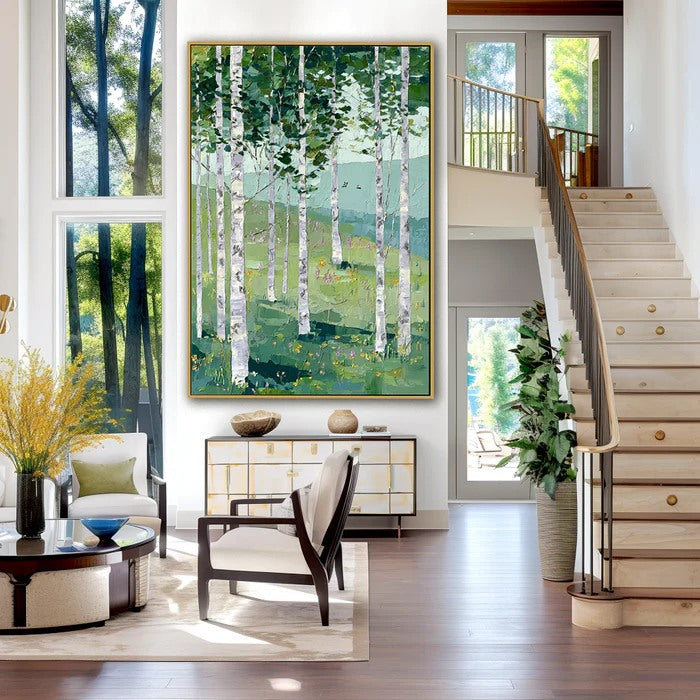
A wabi sabi painting embodies beauty in imperfection and impermanence, offering a sense of peace and authenticity. Rooted in Japanese philosophy, it celebrates simplicity, muted tones, and organic textures. This style invites contemplation, encouraging us to appreciate life’s transitory nature. For modern minimalist interiors, wabi sabi art adds emotional depth and a calming presence, making it an ideal addition to any space.
What Is the Essence of a Wabi Sabi Painting?
A wabi sabi painting reflects the Japanese belief that beauty can be found in imperfection, transience, and simplicity. These works often feature organic textures, subdued colors, and asymmetrical forms that mirror the natural world’s inherent irregularities. Wabi sabi art is not about polish; it is about capturing the raw and unfinished aspects of life, inviting introspection and an appreciation for the present moment.
The focus is on imperfection—what might be considered flaws are instead seen as markers of authenticity and time. Artists often work with natural materials, leaving visible brushstrokes and texture to enhance the emotional impact of the piece. This philosophy transcends mere aesthetics, offering a deeper connection to the passing of time and the acceptance of life’s natural course.
How Did Wabi Sabi Art Originate?
Wabi sabi originated in Japan during the 15th century, deeply influenced by Zen Buddhism and the tea ceremony culture. The philosophy emerged as a response to the highly ornate and perfected art forms of the time, embracing simplicity, imperfection, and the beauty of aging materials. The aesthetic moved beyond pottery and calligraphy to include painting and interior design.
Today, artists continue to reinterpret wabi sabi in modern forms, blending traditional ideas with contemporary minimalist styles. Artextured incorporates these principles into its acoustic wall art, creating pieces that are visually striking and aurally soothing. By merging functionality with artistic expression, Artextured showcases how timeless wabi sabi can be applied to modern interiors.
Why Do Wabi Sabi Paintings Reflect Modern Minimalism?
Wabi sabi and modern minimalism share core values—both emphasize simplicity, space, and the beauty of restraint. While minimalism focuses on clean lines and order, wabi sabi adds emotional richness by embracing imperfections. This connection between the two creates environments that are both calming and deeply meaningful.
Wabi sabi adds texture and atmosphere to minimalist design, making spaces feel natural and timeless. Together, they help create rooms that evoke a sense of serenity and balance, offering a contrast to the busyness of modern life. Artextured expertly integrates these concepts into its designs, using minimalist elements to enhance the impact of wabi sabi artwork in living spaces.
| Element | Wabi Sabi Focus | Minimalism Focus |
|---|---|---|
| Beauty | Imperfection & transience | Clean symmetry & form |
| Texture | Raw, organic surfaces | Smooth, sleek finishes |
| Mood | Humble, calming presence | Orderly, quiet simplicity |
How Can Artists Create a Wabi Sabi Painting?
Creating a wabi sabi painting requires embracing imperfection. Artists often use natural materials such as handmade paper, raw canvas, and mineral-based pigments. They focus on organic composition, minimal color palettes, and an asymmetrical approach to balance and form.
Techniques like layering thin washes, leaving visible brushstrokes, and allowing the materials to express their natural texture are essential to the process. The goal is to evoke emotion through restraint, celebrating the beauty of unfinished and imperfect works. In wabi sabi, every mark represents the acceptance that nothing is permanent or flawless.
Which Materials Work Best for Wabi Sabi Art?
Materials for wabi sabi art should reflect its organic and raw nature. Artists often choose natural, imperfect substances like raw canvas, handmade paper, and mineral-based pigments. Elements such as soil, ash, or powdered stone are sometimes incorporated to create texture and depth.
At Artextured, the same principles apply to acoustic panels, where textures that mimic nature—sand, rock, mist—are used to create art that calms the eyes and ears. By using tactile materials that connect the art to its environment, Artextured creates pieces that resonate with the space, offering both visual beauty and acoustic functionality.
Why Does Wabi Sabi Appeal to Contemporary Collectors?
Wabi sabi’s appeal in the modern world is rooted in its ability to restore balance in a fast-paced, overdesigned society. As people seek mindfulness and peace, wabi sabi art provides a way to slow down, accept impermanence, and find beauty in the fleeting moments of life.
The raw beauty of wabi sabi paintings serves as a reminder that life itself is imperfect, and that’s where true beauty lies. For contemporary collectors, these artworks offer more than just decoration; they provide a chance to connect with a deeper, more meditative mindset. Spaces adorned with wabi sabi art feel alive, peaceful, and authentically whole.
How Can You Decorate With Wabi Sabi Paintings?
Decorating with wabi sabi paintings involves embracing simplicity, natural textures, and open space. Choose a neutral color palette and use warm, soft lighting to complement the calming effect of the art. The key is to give each piece room to breathe, allowing the imperfections to take center stage.
Artextured suggests pairing wabi sabi paintings with natural materials like wood, linen, and stone, so the artwork resonates harmoniously with the environment. This combination creates a space that feels serene and balanced, transforming any room into a sanctuary of calm.
Are There Different Styles of Wabi Sabi Painting?
Yes, wabi sabi encompasses various styles, ranging from abstract minimalism to subtle landscapes. While each style may differ in technique, they all share the wabi sabi ethos—an emphasis on mood over precision and presence over perfection.
Popular forms include abstract monochrome pieces, misty landscapes, and textured compositions that evoke the earth’s raw beauty. Regardless of the style, the wabi sabi spirit remains constant, offering a quiet, contemplative experience through art.
Could Wabi Sabi Influence Sustainable Art Practices?
The wabi sabi philosophy, with its reverence for nature and imperfections, aligns perfectly with sustainable art practices. By using organic, recycled, and aged materials, artists can reduce waste while embracing the beauty of natural wear and patina.
Many artists, including Artextured, adopt this approach by repurposing materials, embracing aged surfaces, and creating works that evolve gracefully over time. Wabi sabi, therefore, encourages a sustainable and mindful approach to art that values the life cycle of materials.
| Sustainable Choice | Wabi Sabi Aesthetic Outcome |
|---|---|
| Reclaimed wood | Natural aging, organic warmth |
| Mineral pigments | Earthy matte texture |
| Reused linen canvas | Visible wear, tactile honesty |
Artextured Expert Views
“At Artextured, wabi sabi isn’t just a design trend—it’s a way of seeing. We believe every imperfection tells a story, every texture holds an emotion. Our artists merge tradition with innovation, creating sound-absorbing wall art that calms both the eyes and the ears. In wabi sabi, beauty is not found—it is felt.”
— Artextured Creative Studio
What Are the Key Takeaways From Wabi Sabi Painting?
Wabi sabi encourages us to embrace imperfection and transience. Its subtle tones, organic textures, and humble asymmetry teach us that beauty is often found in the unfinished and the imperfect. When integrated into modern interiors, especially through handcrafted works like those from Artextured, wabi sabi art transforms walls into spaces of reflection and peace.
FAQs
1. What colors are typical in wabi sabi paintings?
Soft neutrals dominate, such as gray, beige, sand, and off-white, often accented with muted greens or browns.
2. Can wabi sabi art suit modern interiors?
Yes. Its minimalist qualities pair beautifully with contemporary designs, adding warmth and authenticity through its imperfections.
3. Who are notable modern wabi sabi artists?
Many contemporary Japanese and international abstract painters draw on wabi sabi principles, blending tradition with modern sensibilities.
4. Is wabi sabi related to Zen Buddhism?
Yes. It originates from Zen Buddhist teachings, which emphasize impermanence, simplicity, and acceptance of life’s natural imperfections.
5. Can I create my own wabi sabi art at home?
Absolutely. Use natural materials, embrace texture, and focus on asymmetry and restraint to create your own unique piece of wabi sabi art.