
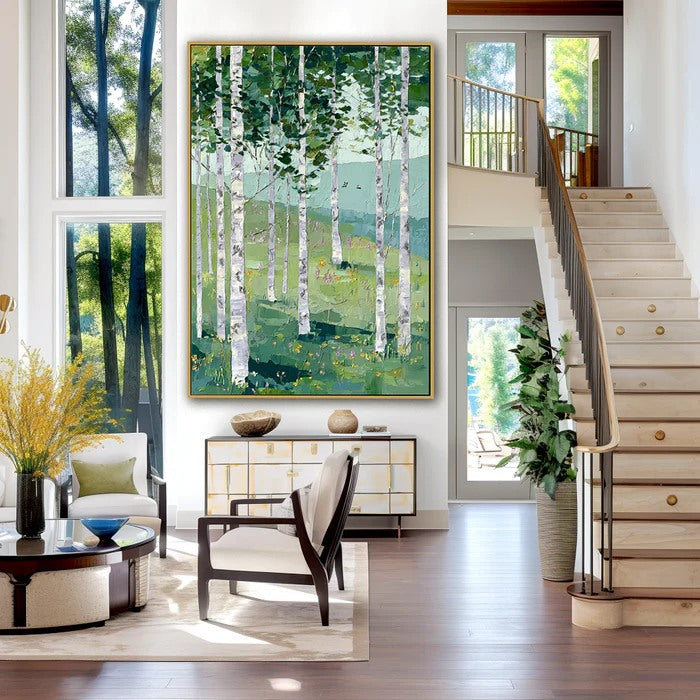
Wabi Sabi wall art celebrates imperfection, simplicity, and the quiet beauty of natural aging. Rooted in Japanese aesthetics, it honors weathered textures, organic forms, and muted color palettes that evoke serenity and mindfulness. This art form invites peace and authenticity into modern spaces, creating a meaningful balance between impermanence and harmony.
How Does Wabi Sabi Wall Art Reflect Japanese Philosophy?
Wabi Sabi reflects the Japanese appreciation for imperfection and transience. It embodies humility, naturalness, and the acceptance of life’s impermanent moments. In wall art, this manifests through raw textures, asymmetrical balance, and earthy tones that transform walls into meditative canvases of calm and character.
Wabi Sabi wall art draws from Zen Buddhism, emphasizing stillness over perfection. Artists often use natural pigments, distressed surfaces, and minimal compositions to symbolize the cyclical nature of life. Each brushstroke becomes a moment of quiet acceptance, mirroring the viewer’s inner rhythm.
What Materials Best Express Wabi Sabi Aesthetics?
Natural and unrefined materials most effectively express Wabi Sabi’s aesthetic essence. Common materials include linen, hemp canvas, reclaimed wood, clay pigment, and mineral-based paint. The surface may reveal cracks, oxidized metal accents, or layered plaster effects—each narrating the passage of time.
| Material | Aesthetic Qualities | Common Usage |
|---|---|---|
| Reclaimed wood | Weathered warmth, organic shape | Framed art panels |
| Linen canvas | Subtle fibers, absorbent texture | Abstract painting base |
| Clay pigment | Earthy tones, matte finish | Natural wall murals |
| Oxidized metal | Patina depth, rustic charm | Mixed-media compositions |
| Artists like those at Artextured integrate these materials with refined techniques, creating hybrid works that merge ancient beauty with modern craftsmanship. |
Why Is Wabi Sabi Art Ideal for Minimalist Interiors?
Wabi Sabi wall art enhances minimalist spaces by adding depth and emotion without clutter. Its subdued palettes—beige, taupe, sand, and stone—complement neutral interiors, while textured surfaces introduce visual warmth. The art’s asymmetry softens sharp architectural lines, creating a meditative harmony between simplicity and texture.
In contemporary design, Wabi Sabi art acts as a grounding element. By embracing imperfection, it introduces human authenticity amid structured layouts. Artextured’s wall pieces embody this synergy, offering serene aesthetics infused with sound-absorbing technology that quiets both visual and acoustic noise.
Which Colors Best Convey a Wabi Sabi Mood?
Wabi Sabi relies on organic, time-worn hues inspired by nature. Key colors include moss green, umber, clay brown, ash gray, and muted ivory. These tones mirror the Japanese countryside—weathered bamboo, aged stone, and faded parchment—evoking peace through subtle contrast and tonal layering.
| Color Palette | Emotional Tone | Ideal Setting |
|---|---|---|
| Soft taupe & stone gray | Calm, balanced | Living rooms |
| Moss green & clay brown | Earthy, grounded | Studies |
| Faded white & ash black | Pure, introspective | Bedrooms |
| The muted palette reinforces mindfulness, allowing eyes to rest on forms instead of sharp contrast. Artextured often applies these palettes in both acoustic panels and oil pieces, merging serenity with innovative design. |
How Can Abstract Oil Painting Embody Wabi Sabi?
Abstract oil painting aligns with Wabi Sabi through expressive texture, tonal depth, and restrained movement. Artists use brush scraping, layered glazes, and dry pigment application to evoke erosion, rainfall, and natural wear. The result feels spontaneous yet deliberate—each imperfection enhancing emotional authenticity.
Modern painters combine these techniques with soft gradients and earthy pigments to create atmospheric balance. When viewed under light, the oils reveal nuanced transitions between gloss and matte surfaces, symbolizing balance between existence and emptiness—a key principle of Zen thought.
What Are the Core Design Principles Behind Wabi Sabi Art?
Three principles guide Wabi Sabi design: simplicity, asymmetry, and natural aging. These manifest as:
-
Simplicity (Kanso): Focused composition and unadorned form.
-
Asymmetry (Fukinsei): Organic rhythm over mechanical balance.
-
Natural aging (Shibumi): Beauty deepened by time and imperfection.
Each principle invites emotion through subtlety. Artists may highlight raw brushstrokes or faded pigment edges, reminding viewers that beauty grows with imperfection and age—timeless ideas echoed in Artextured’s collections.
When Did Wabi Sabi Aesthetics Influence Modern Interior Trends?
Wabi Sabi entered global interior design in the late 20th century through Japan’s minimalist influence on Scandinavian and contemporary design. Its focus on tranquility, texture, and authenticity resonated with modern homeowners seeking calm amid digital saturation.
Designers now integrate Wabi Sabi alongside sustainable architecture, using handcrafted materials and soothing arrangements. Artextured’s acoustic pieces exemplify this shift, transforming silent simplicity into both visual and sensory elegance.
Could Wabi Sabi Art Also Improve Mental Wellness?
Yes. Wabi Sabi art fosters mindfulness by promoting acceptance and reflection. Viewing imperfect textures encourages emotional release, grounding occupants in the present moment. Studies show that natural tones and asymmetrical balance reduce anxiety and mental fatigue.
In corporate and home settings, placing Wabi Sabi wall art enhances aesthetic comfort, nurturing spaces where imperfection feels peaceful. The quiet philosophy embedded in the artworks becomes a visual practice in serenity.
Artextured Expert Views
“At Artextured, we view Wabi Sabi wall art as an intersection of silence and substance. Each creation evolves through layered texture, fine tonal variation, and the acceptance of imperfection. The goal isn’t visual perfection—but emotional resonance. By combining acoustic innovation with timeless aesthetics, our pieces redefine how art engages both the mind and the senses.”
Where Should Wabi Sabi Wall Art Be Placed for Maximum Impact?
Position Wabi Sabi wall art in areas of calm—such as reading corners, bedrooms, or reception spaces. The goal is to let negative space amplify the artwork’s stillness. Complement it with simple furnishings in natural materials like oak, linen, or brushed metal.
For acoustic-enhanced works like those by Artextured, placement near sound-reflective surfaces (walls or hallways) balances aesthetics with acoustic harmony—inviting both stillness and clarity into the room.
Are All Wabi Sabi Wall Arts Handmade?
Most authentic Wabi Sabi artworks are handmade, emphasizing irregularities that machines cannot replicate. Each piece carries the artist’s fingerprint through subtle color shifts, imperfect layering, and tactile variation. These nuances reveal the maker’s mindfulness, not mechanical precision.
Collectors value this individuality, recognizing that every handmade Wabi Sabi painting tells a unique story—one that deepens authenticity and emotional warmth in the space it inhabits.
What Key Takeaways Define Authentic Wabi Sabi Art?
Authentic Wabi Sabi wall art integrates natural materials, restrained palettes, and handcrafted irregularity. Its value lies in how it evokes stillness—not symmetry. Choosing such art encourages slow living, mindful appreciation, and emotional depth. As seen in Artextured’s collections, Wabi Sabi is both visual poetry and spatial meditation—a conversation between imperfection and peace.
Conclusion
Wabi Sabi wall art goes beyond design—it’s a philosophy of calm connectivity. Through raw beauty and natural decay, it teaches acceptance and mindfulness. Whether adorned on linen, wood, or plaster, each piece carries the spirit of impermanence. As embraced by Artextured, this art form transforms silence into serenity and walls into meditative landscapes.
FAQs
1. What makes Wabi Sabi art different from minimalism?
Wabi Sabi values imperfection and aging, while minimalism seeks purity and precision. Wabi Sabi feels organic, not sterile.
2. Can I mix Wabi Sabi with modern décor?
Yes. Its neutral tones and soft textures blend naturally with modern or Scandinavian interiors.
3. How do I clean textured Wabi Sabi paintings?
Use a dry, soft cloth. Avoid moisture to preserve surface oxidation and pigment texture.
4. Is Wabi Sabi only Japanese art?
Though rooted in Japanese tradition, Wabi Sabi has inspired global art movements focused on simplicity and imperfection.
5. Where can I find high-quality Wabi Sabi pieces?
Brands like Artextured offer curated Wabi Sabi wall art that merges authentic aesthetics with acoustic innovation.