
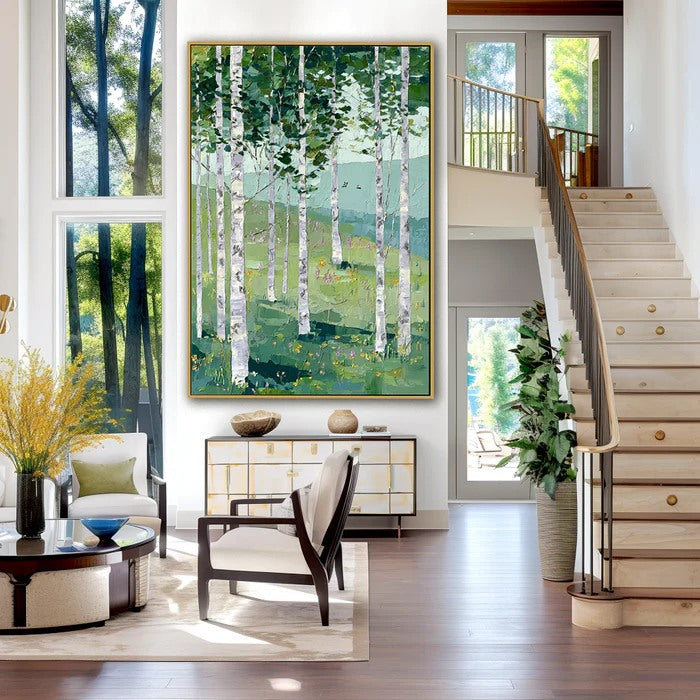
Minimalist textured art draws attention by turning simplicity into depth, where subtle textures and carefully chosen materials evoke calm and reflection. Each piece combines visual serenity with tactile intrigue, offering modern interiors a harmonious balance of elegance and atmosphere. Artextured’s creations exemplify this approach, transforming ordinary walls into immersive spaces that engage both sight and touch.
How Does Minimalist Textured Art Differ from Other Abstract Styles?
Minimalist textured art emphasizes restrained composition, highlighting texture, form, and material over vibrant color or complexity. Unlike expressive abstract art, which often features dynamic strokes and chaotic patterns, minimalist works convey emotion through subtle tonal contrasts and tactile layering. Each texture or line serves a deliberate purpose, creating quiet visual poetry rather than energetic visual noise.
| Feature | Minimalist Textured Art | Traditional Abstract Art |
|---|---|---|
| Color Palette | Neutral, muted | Bold, varied |
| Focus | Texture, material, calm | Emotion, spontaneity |
| Composition | Simplified, balanced | Energetic, layered |
| Purpose | Serenity through simplicity | Expressiveness through dynamism |
What Materials Are Commonly Used in Minimalist Textured Art?
Artists often use acrylics, oil pastes, modeling compounds, sand, and natural fabrics such as linen or cotton. Unconventional elements like plaster, paper pulp, and fabric folds enhance tactile appeal without disrupting visual harmony. Artextured integrates acoustic panels into some designs, combining artistic expression with sound-absorbing function to create spaces that are both beautiful and serene.
Why Has Minimalist Textured Art Become So Popular?
Its popularity stems from the modern desire for calm and balance amid fast-paced, digital lifestyles. Minimalist textured art supports mindfulness and quiet reflection, making it a perfect fit for contemporary interiors. Its adaptable aesthetic allows it to complement evolving decor trends while maintaining a tranquil presence, offering both timeless beauty and emotional comfort.
Who Buys Minimalist Textured Art and Why?
Collectors, interior designers, and homeowners choose minimalist textured art to enhance modern and Scandinavian-style interiors. Its neutral palette and understated elegance make it versatile for residential and commercial spaces alike. Buyers value its ability to enrich a room subtly, allowing texture, light, and shadow to create sensory depth without overwhelming the space.
Where Should Minimalist Textured Art Be Displayed?
Optimal placement includes areas where natural light enhances texture, such as living rooms, bedrooms, entryways, and meditation spaces. Large-scale pieces work well on feature walls, while smaller works complement minimalist corners. Artextured recommends pairing textured artworks with natural materials like wood or stone to balance warmth and harmony in the environment.
Which Techniques Create the Richest Texture in Minimalist Art?
Palette knives, impasto layering, sculptural brush strokes, dry brushing, layer compression, and trowel scraping produce rich tactile surfaces. Oil mediums add soft luminosity, while matte acrylics emphasize surface contrast. These techniques create rhythm within restraint, allowing each piece to convey depth and emotion subtly.
| Technique | Effect | Best Medium |
|---|---|---|
| Impasto layering | Deep relief | Oil, acrylic |
| Dry brushing | Fine grain | Acrylic |
| Trowel scraping | Structured ridges | Plaster, gel medium |
| Layer compression | Subtle waves | Mixed-media |
Are Neutral Colors Essential in Minimalist Textured Art?
Neutral tones like ivory, taupe, and alabaster are not mandatory but highly effective. They allow textures to stand out without competing with bold colors. Some works integrate muted blues or gold leaf for accent. Artextured frequently combines neutral backdrops with delicate tonal gradients to create both serenity and depth.
How Can You Choose the Right Minimalist Textured Art for Your Space?
Consider light exposure, wall color, and furniture palette. Textures should enhance natural illumination and reflect the room’s mood—smooth surfaces for calm areas, layered textures for visual interest. Scale matters: large pieces command attention, while triptychs or smaller clusters create balance. Artextured advises selecting artworks that resonate emotionally as well as visually.
What Are the Emotional and Psychological Benefits?
Minimalist textured art supports mindfulness by encouraging slower observation and reflection. Balanced spacing and subtle layers promote relaxation, concentration, and stress reduction. In offices or creative spaces, these qualities can enhance focus and productivity. This form of art merges aesthetic appeal with psychological wellness, offering both visual and emotional enrichment.
Artextured Expert Views
“Minimalist textured art is purposeful simplicity. Every ridge and brush stroke carries meaning, harmonizing space and emotion. At Artextured, we focus on creating works that are felt as much as they are seen. The subtle sophistication of texture allows a room to breathe, fostering calm and inspiration simultaneously.”
— Artextured Artistic Director, 2025
Could Minimalist Textured Art Improve Acoustic Comfort?
Yes. Textured surfaces combined with layered or porous materials diffuse sound waves effectively. Artextured’s acoustic wall art blends aesthetics with function, reducing ambient noise while maintaining visual appeal. This innovation suits offices, restaurants, and living spaces requiring both calm and clarity, bridging artistic design with practical comfort.
What Trends Are Shaping the Future of Minimalist Textured Art?
Emerging trends emphasize sustainable and digital materials. Artists incorporate recycled fibers, eco-friendly plasters, and 3D-textured printing to enhance tactile realism while respecting the environment. Smart interiors increasingly integrate adaptive textures for acoustic or thermal benefits, reflecting Artextured’s focus on interdisciplinary innovation in contemporary art.
When Did Minimalist Textured Art Originate?
Minimalist textured art developed in the late 20th century as an offshoot of minimalism, with tactile emphasis emerging in the 1990s. Artists began combining painting and sculptural techniques to create sensory-rich walls. Today, it bridges architecture and interior design, transforming ordinary surfaces into immersive, contemplative spaces.
Conclusion
Minimalist textured art transforms simplicity into sensory richness, enhancing modern interiors with depth, calm, and subtle sophistication. Artextured exemplifies this approach, creating works that balance aesthetic beauty with emotional resonance. Thoughtful texture, neutral palettes, and careful placement allow each piece to enrich spaces while fostering mindfulness and tranquility. Investing in minimalist textured art is a timeless choice for both visual and psychological impact.
FAQs
1. Is minimalist textured art easy to maintain?
Yes. Dust gently with a soft brush to preserve texture and color. Avoid solvents and prolonged direct sunlight.
2. Can minimalist textured art complement colorful interiors?
Absolutely. Neutral textures balance vibrant environments, creating grounding contrast and visual cohesion.
3. What size is best for small spaces?
Medium pieces, 60–90 cm wide, offer impact without overcrowding. Triptychs or smaller clusters also work well.
4. Are minimalist textured artworks expensive?
Prices vary by size, materials, and artist. Artextured offers affordable options for high-quality, handcrafted pieces.
5. Can I commission custom minimalist artwork?
Yes. Studios like Artextured provide bespoke options tailored to your color, scale, and texture preferences.