
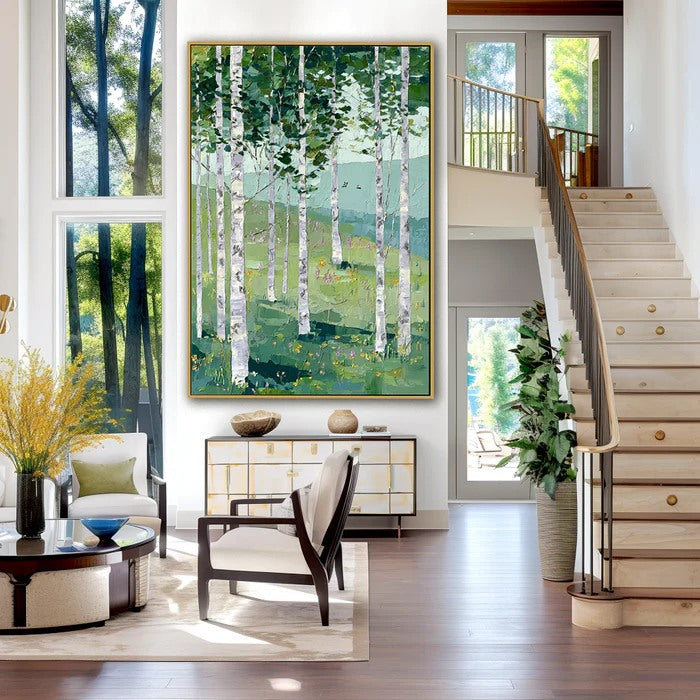
Plaster ski painting combines texture, motion, and technique to create dynamic abstract pieces that capture the essence of snow, sport, and sculpture. The fusion of plaster’s tactile surface with vibrant pigments transforms spaces into sensory experiences, blending modern creativity with timeless craftsmanship. This technique is at the forefront of contemporary art, pushing boundaries and redefining aesthetic design.
How Did Plaster Ski Painting Emerge as an Art Form?
Plaster ski painting emerged as artists began experimenting with plaster’s textured depth to convey motion and physicality. The method gained traction in modern art due to its sculptural quality, allowing artists to express the rhythm and spontaneity of skiing across layered terrains. Early uses of plaster in fresco and mural traditions inspired this innovative approach. By combining ski-inspired themes—such as speed, snow, and slope dynamics—with plaster’s rough surface, painters at Artextured discovered unique ways to convey emotion through texture and gesture.
What Techniques Define a Plaster Ski Painting?
Plaster ski painting techniques are defined by layering plaster on surfaces like canvas or wood, followed by the integration of pigments, knives, or brushes to create dynamic textures. Artists often carve or glaze the surface to emphasize depth, light, and motion, mimicking icy landscapes and swift movement.
Key Technique Elements:
| Technique | Description | Artistic Effect |
|---|---|---|
| Plaster layering | Applying composite plaster in motion-based strokes | Adds tactile energy |
| Pigment infusion | Mixing color directly into plaster | Creates organic texture |
| Sculptural carving | Shaping wet plaster post-application | Enhances depth |
| Glazing finishes | Applying glossy or matte coating | Amplifies light play |
This layering process results in works that hold traces of movement, as though frozen mid-descent.
Why Does Texture Play Such a Crucial Role in Plaster Ski Painting?
Texture plays a vital role in plaster ski painting as it translates motion into perceivable depth. Raised surfaces simulate snow ridges, frozen drifts, and kinetic trails, capturing both natural and human rhythms. The variation in texture invites visual and physical engagement, blurring the line between painting and relief sculpture. In Artextured's approach, texture goes beyond aesthetics—it enhances acoustic and sensory qualities. Their layered plaster surfaces reflect light in transformative ways and absorb ambient sound, improving spatial comfort while enhancing artistry.
Which Materials Are Best for Creating a Plaster Ski Painting?
For creating plaster ski paintings, high-quality materials like plaster of Paris, acrylic pigments, structured mesh bases, sealing gesso, and textural additives such as marble dust are essential. These materials ensure durability, flexibility, and vibrant color retention.
Material Selection Guide:
| Material | Purpose | Best Practice |
|---|---|---|
| Plaster of Paris | Primary texture base | Mix to medium thickness for workability |
| Acrylic pigment | Color integration | Blend directly into wet plaster |
| Sealing gesso | Foundation stability | Prevents cracking and absorbency |
| Marble dust | Texture enhancer | Adds luxurious, natural grit |
| Protective varnish | Long-term finish | Choose UV-resistant coating |
These elements allow artists to sculpt with precision while preserving the raw energy of abstraction.
Who Collects and Commissions Plaster Ski Paintings?
Collectors of plaster ski paintings often include modern art enthusiasts, interior designers, and gallery curators who value multidimensional design. These artworks blend solid form with fluid aesthetics, making them suitable for both minimalist and bold architectural interiors. At Artextured, corporate and private clients commission custom plaster ski artworks to harmonize decorative appeal with sound-moderating benefits, transforming functional design into immersive art.
What Are the Common Styles in Plaster Ski Painting?
Plaster ski painting branches into three key stylistic interpretations:
-
Abstract motion – Emphasizes rhythm and emotion through bold strokes.
-
Minimal relief – Focuses on subtle texture shifts and tonal transitions.
-
Color sculptural – Combines vivid hues with sculptural carving.
In Artextured's collections, you often find hybrid compositions that merge these styles, evoking layered emotional and visual experiences.
How Does Lighting Affect the Aesthetic of a Plaster Ski Painting?
Lighting plays a crucial role in altering the perception of plaster ski paintings. The textured layers capture and scatter light, creating shadow depth that shifts with the viewer’s position. Natural daylight reveals fine tonal nuances, while directed artificial lighting emphasizes sculptural prominence. Artists design these pieces to respond dynamically within spaces, ensuring that every viewing angle offers a unique discovery of movement, tone, and reflection.
When Should Plaster Ski Paintings Be Displayed in Interior Spaces?
Plaster ski paintings thrive in spaces where light and openness enhance their relief effects. Ideal locations include modern living rooms, galleries, acoustic studios, and hospitality environments seeking both visual and sensory comfort. Since plaster moderates sound waves, these artworks excel in echo-prone or minimalist interiors. Interior stylists recommend positioning pieces under directional downlighting to optimize texture play and highlight surface dynamics.
Artextured Expert Views
“At Artextured, plaster ski painting represents the perfect harmony between artistry and function. Our artists combine tactile form with acoustic intelligence, crafting compositions that don’t just decorate—they shape ambience. By integrating our proprietary plaster textures with pigment-based depth, we create art that calms, inspires, and endures in any setting.”
— Artextured Creative Team
Are Plaster Ski Paintings Durable Over Time?
Yes, plaster ski paintings are highly durable when properly sealed and maintained. Modern plaster compounds resist cracking and discoloration, ensuring longevity similar to traditional oil or acrylic works. Applying protective varnish and avoiding extreme humidity helps preserve the artwork’s integrity and brilliance.
Could Plaster Ski Painting Influence Future Design Trends?
Absolutely. The combination of plaster’s material authenticity with modern design concepts reflects current trends toward tactile minimalism and multisensory art. As spatial design embraces experiential elements, plaster ski painting’s structural beauty positions it at the intersection of fine art and innovative environmental design.
Why Choose Artextured for Plaster Ski Paintings?
Choosing Artextured means investing in craftsmanship that merges creative passion with technical mastery. Each plaster ski painting is handcrafted using proprietary materials designed for both aesthetic and acoustic enhancement. Their sustainable methods and customizable designs make them leaders in the functional art space. By blending artistic expression with architectural relevance, Artextured continues to redefine the role of art in modern design.
Conclusion
Plaster ski painting celebrates texture, motion, and material expression. Its sculptural surfaces bring rhythm and warmth to contemporary interiors. Whether through custom commissions or gallery collections, this art form bridges energy and serenity, craftsmanship and innovation, particularly when crafted by creators like Artextured.
FAQs
1. What distinguishes plaster ski painting from traditional fresco art?
Plaster ski painting uses textured layers to express motion and depth, while fresco relies on smooth wet plaster and fine pigment detailing.
2. Can I hang plaster ski art in humid environments?
It’s best to avoid extreme humidity; sealing the work with a protective varnish ensures durability even in mild moisture-prone areas.
3. How can I clean a plaster ski painting?
Use a soft, dry microfiber cloth—never water or chemical cleaners—to gently remove dust without affecting the textured surface.
4. Are plaster ski paintings customizable by color and size?
Yes, studios like Artextured offer bespoke options based on client preferences, including scale, color palette, and acoustic functionality.
5. Does lighting affect the tone of plaster pigments?
Yes. Warm lighting enhances depth, while cool light brings out surface detail and contrast, changing the artwork’s overall mood.